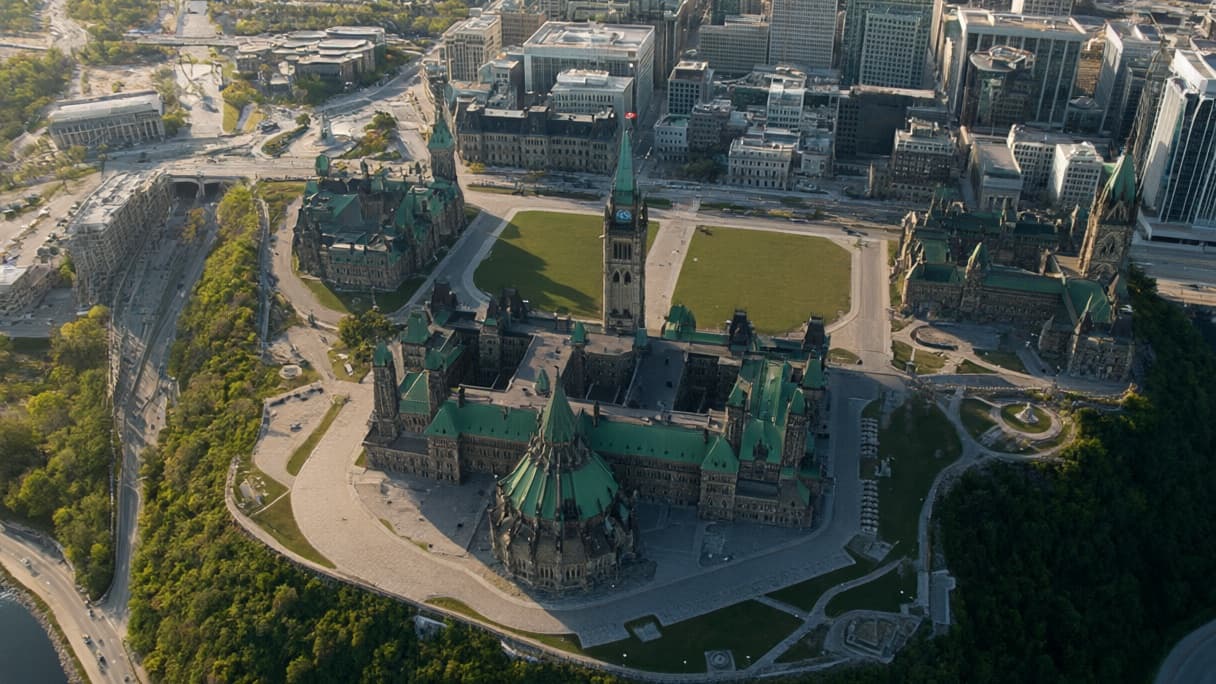
Carney Budget Sparks Debate Over Corporate Focus and Small Business Neglect
While business chambers and Ontario officials welcome the federal spending plan, advocates warn that small firms are being left behind amid tariff volatility.


federal / Ottawa · Toronto & Canada
Jean-Luc has covered Ottawa long enough to know a national announcement and a local outcome are rarely the same thing, and he chases the gap between them.
Drawn to
61 stories published
While business chambers and Ontario officials welcome the federal spending plan, advocates warn that small firms are being left behind amid tariff volatility.
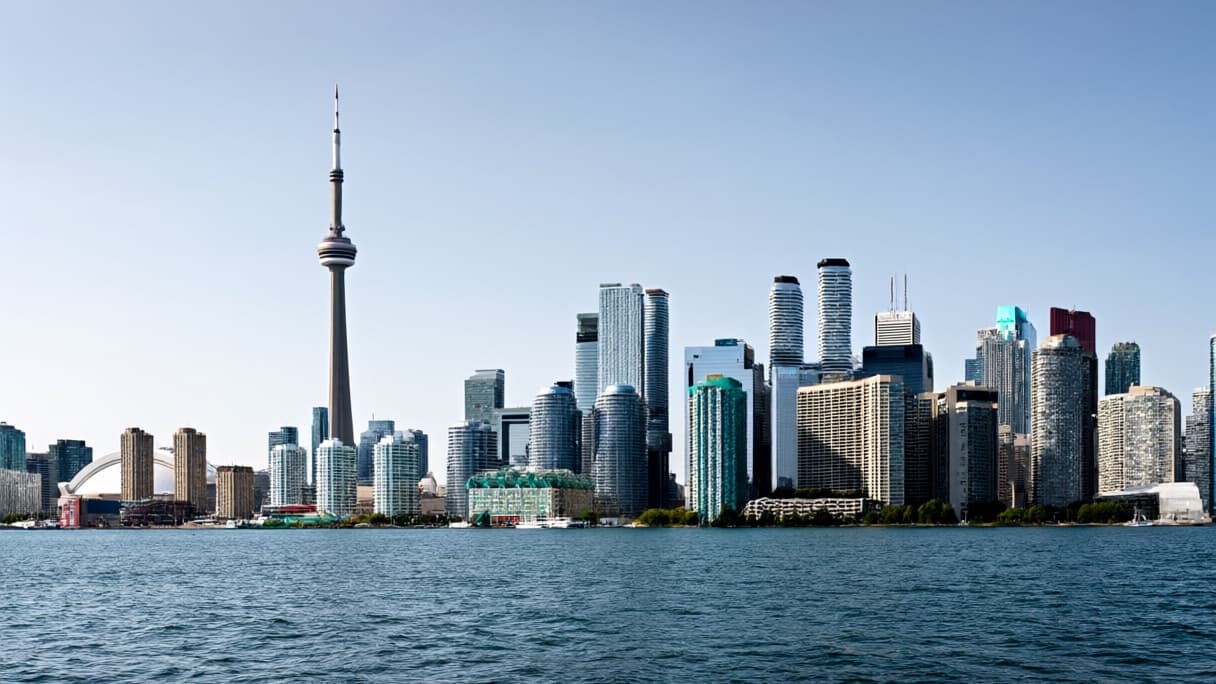
The 2026 federal budget introduces a massive business incentive overhaul aimed at closing Canada's productivity gap with the U.S.
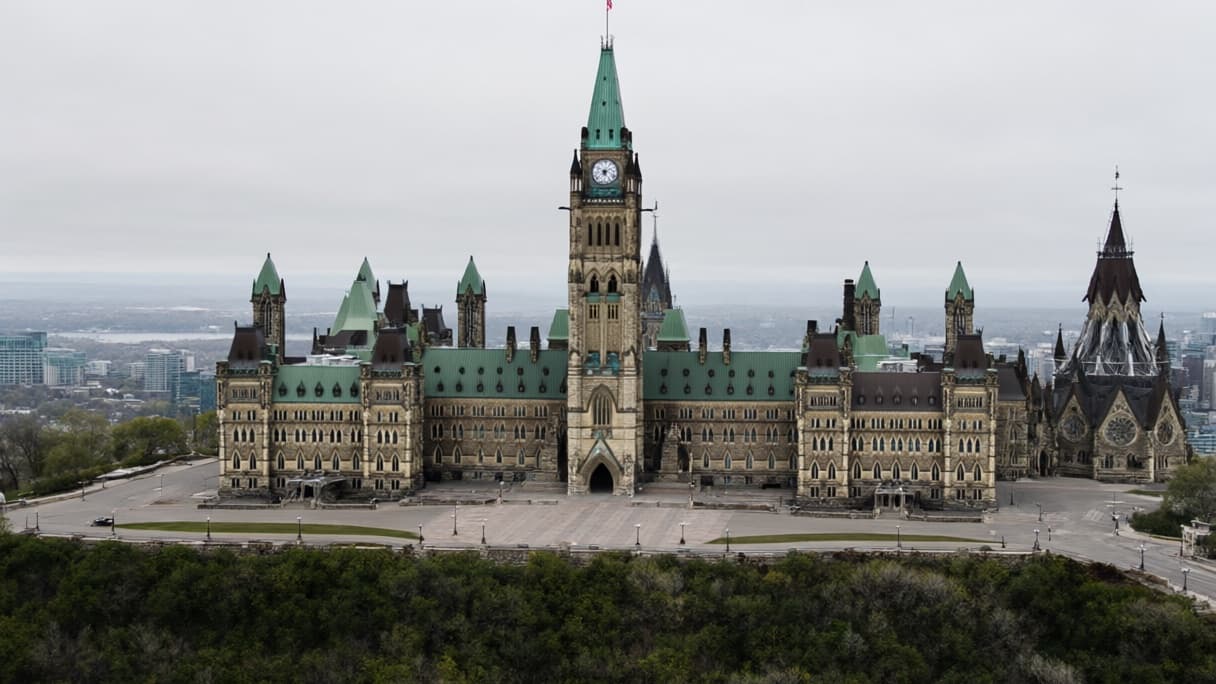
Opinion: By failing to project spending beyond 2030, the Carney government is masking a massive fiscal void that threatens Canada's NATO credibility.
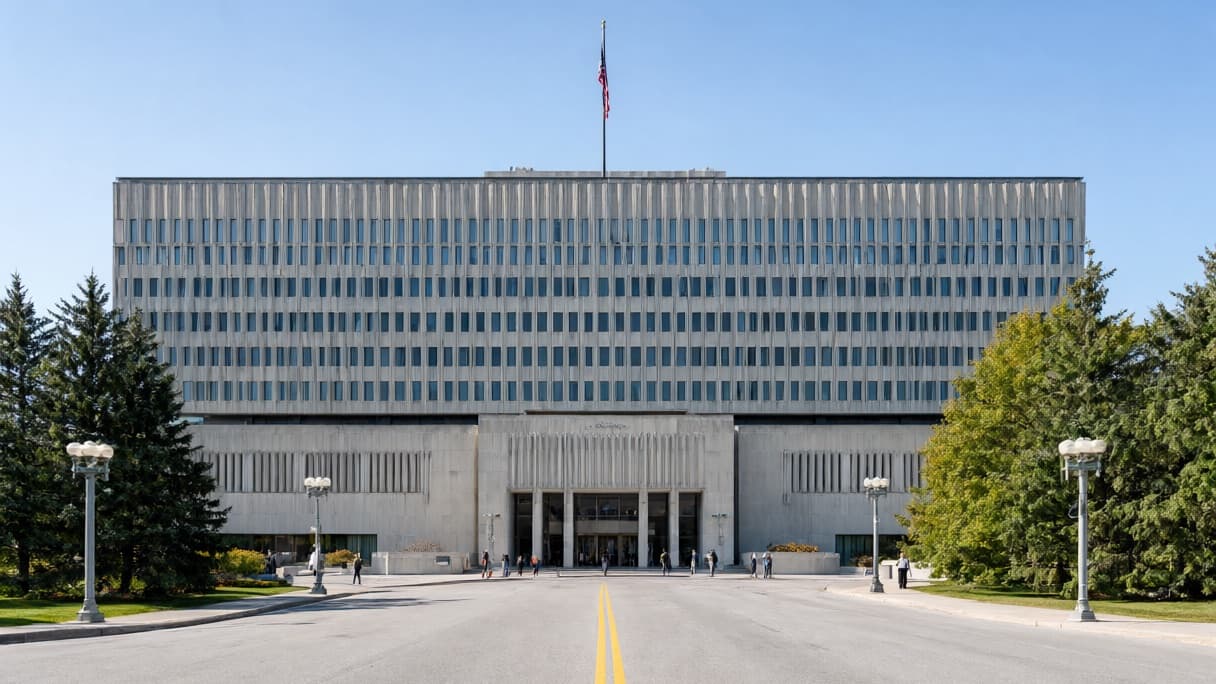
The National Security and Intelligence Review Agency reports that the Department of National Defence lacks sufficient oversight and record-keeping for internet-based data collection.

Philippe Dufresne warns that broad definitions of subscriber information could compromise sensitive data under proposed production orders.
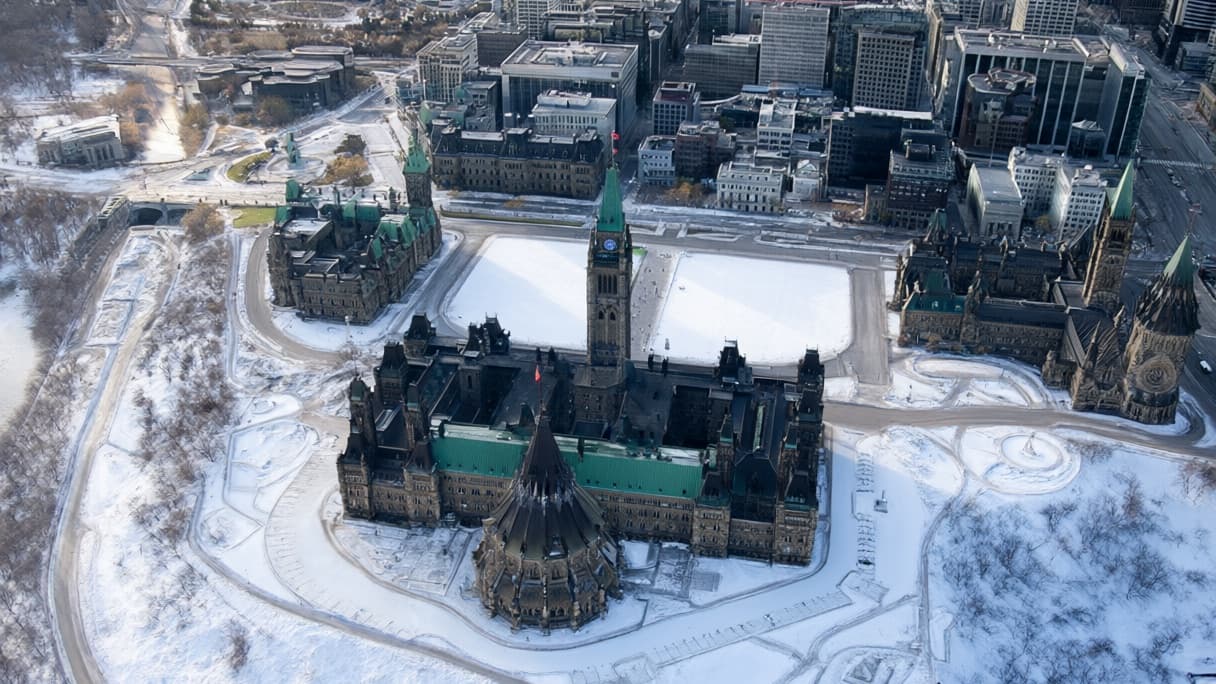
OPINION: Prime Minister Mark Carney is using the upcoming byelections as a high-stakes litmus test for his personal brand and the Liberal Party's viability.

Opinion: By shelving the Jane Goodall Act, the Carney government is prioritizing economic convenience over its own stated commitments to animal welfare.

Prime Minister Mark Carney says Ottawa is identifying solutions to resolve a trade irritant over the European Union's carbon import levy.
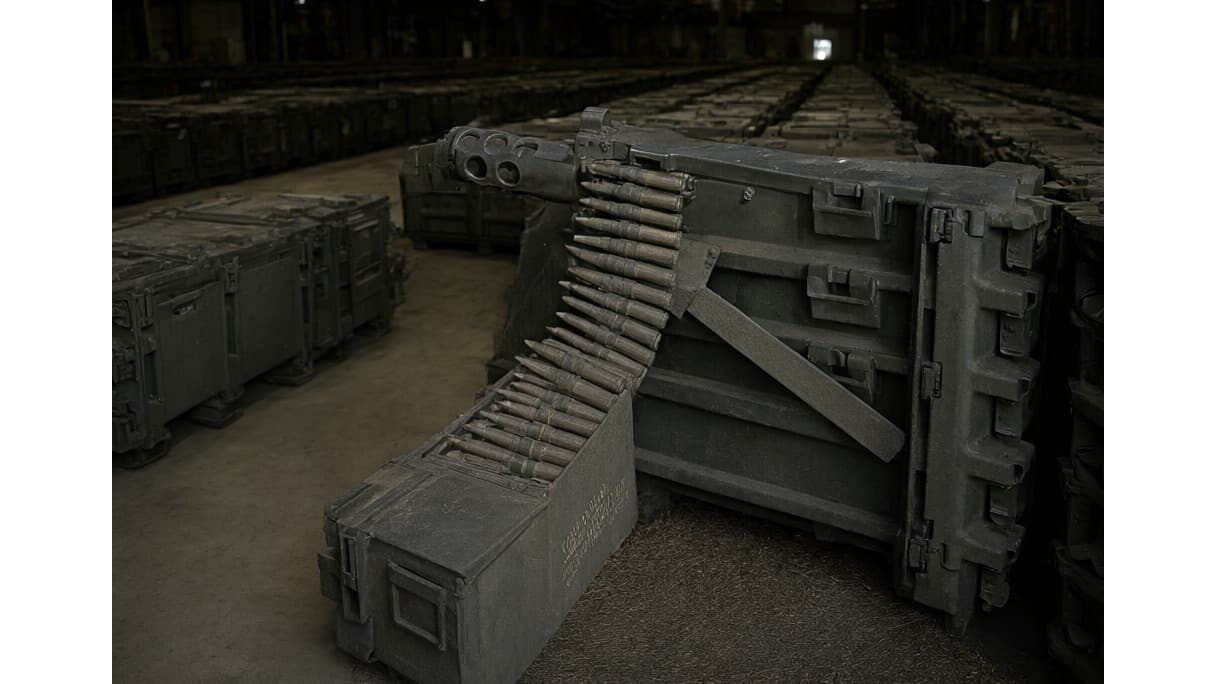
A scathing Auditor General's report reveals that bureaucratic inertia and procurement failures have left Canada's strategic ammunition stockpiles unable to meet NATO commitments, turning national security pledges into hollow rhetoric.
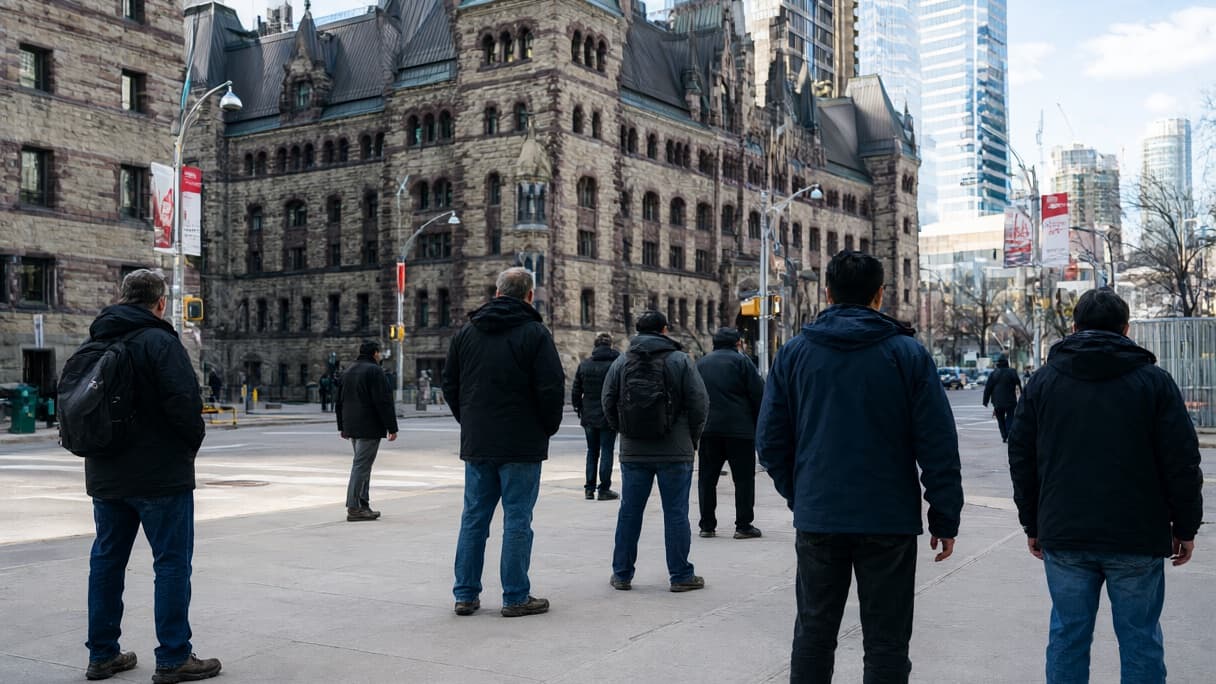
Opinion: By failing to align our carbon pricing with the European Union, the federal government has left Canadian industry exposed to a costly 'carbon tariff' that could have been avoided.
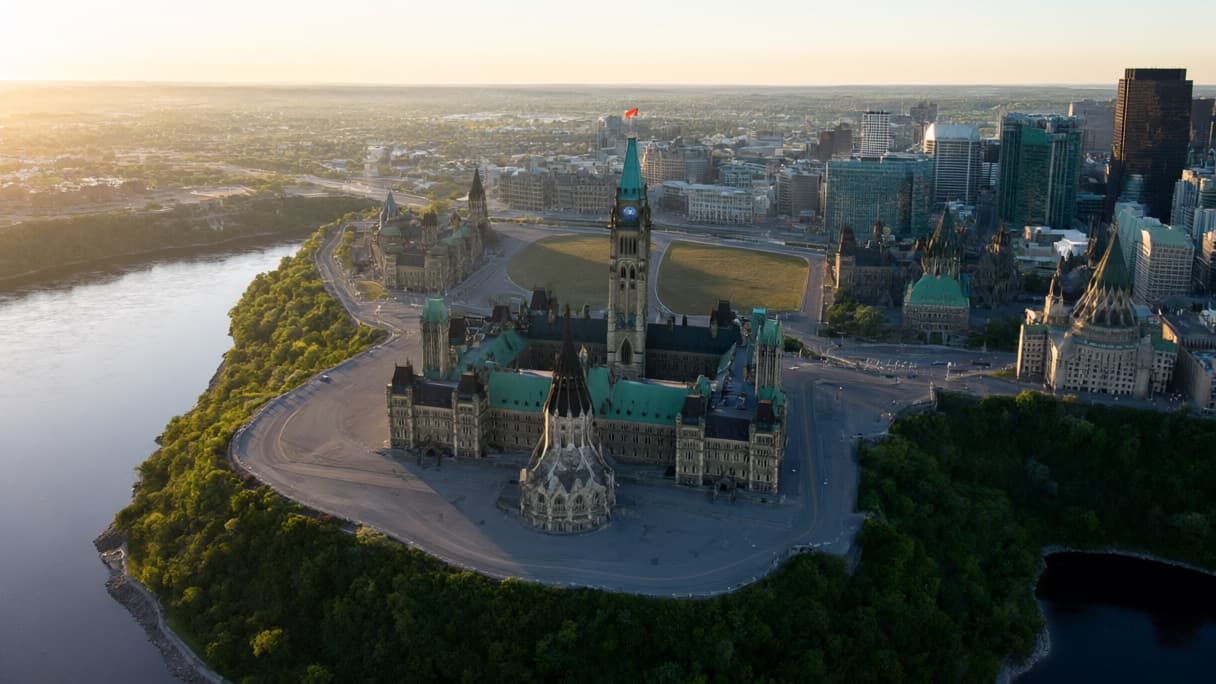
As Prime Minister Mark Carney faces economic headwinds and rising deficits, the decision to table the 2026 budget early suggests a government eager to control the narrative.
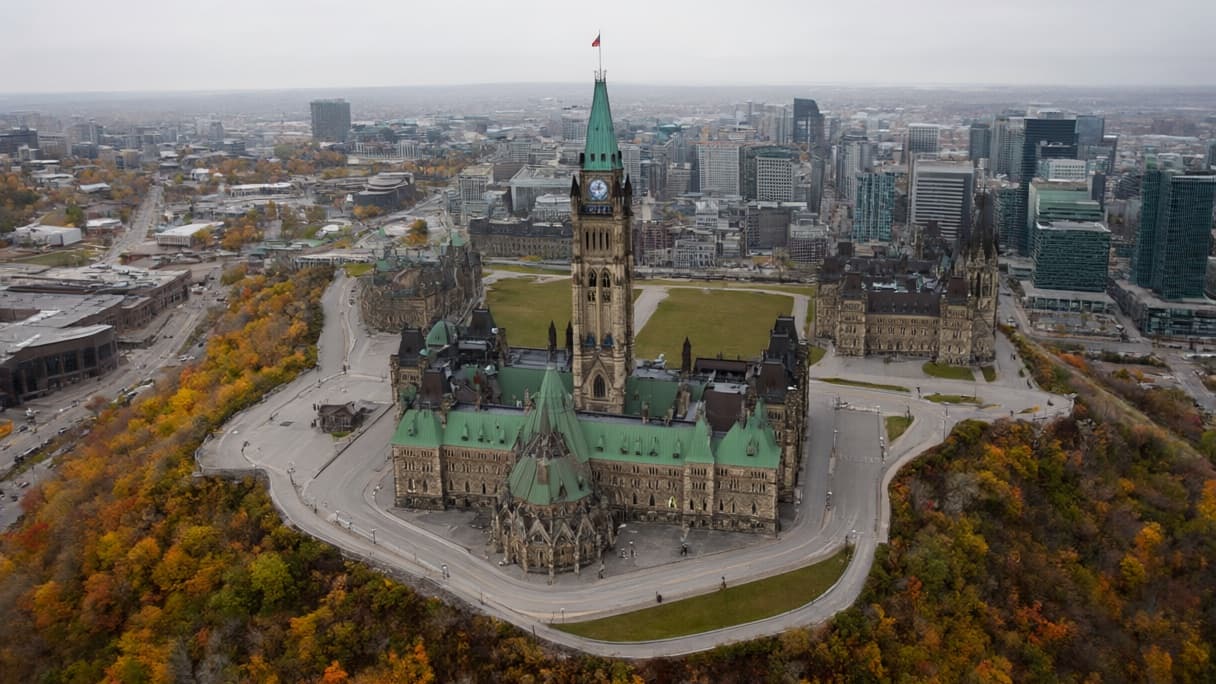
Ottawa faces criticism from First Nations and union leaders as Bill C-39 seeks to accelerate major project approvals and modify labour laws.
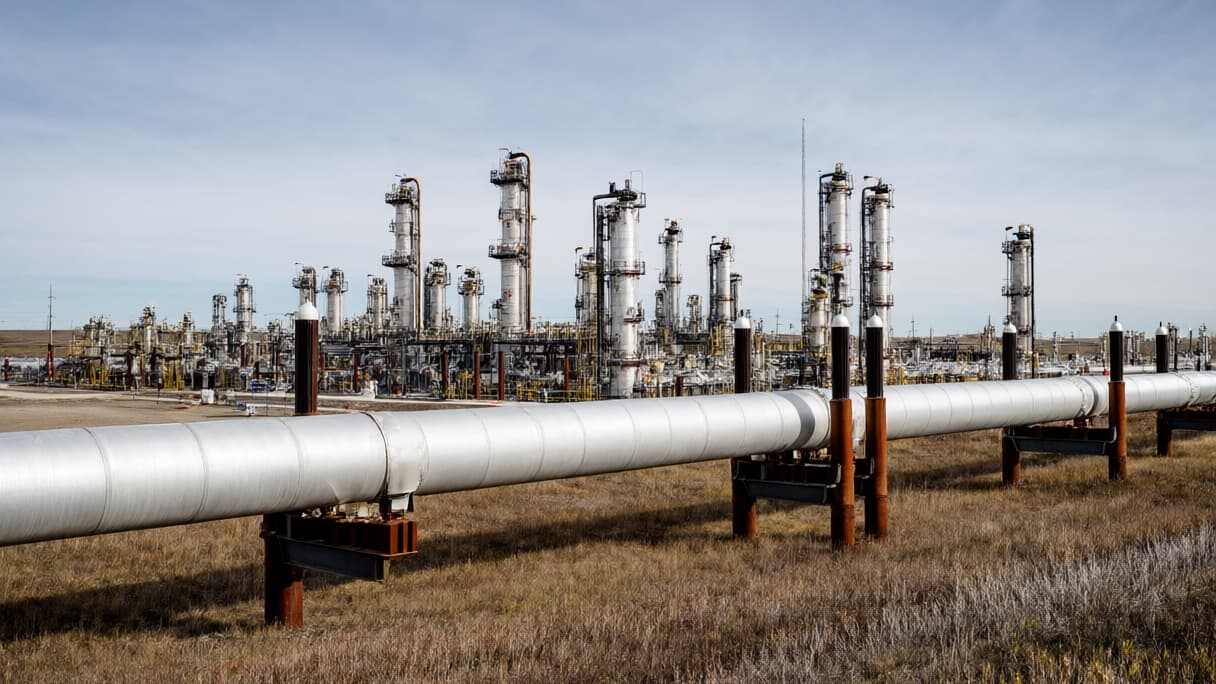
Once critical of federal 'punishment' of the energy sector, Alberta's leader now claims Canada is functioning better than ever as she campaigns to stay in the federation.

International Trade Minister Maninder Sidhu reports 34 commercial agreements as Ottawa seeks to double two-way trade with New Delhi by 2030.
Chrystia Freeland's call to reduce economic reliance on Washington is a strategic necessity, but it arrives amid volatile rhetoric from the White House.

Mark Carney will attend 'Forever Canadian' events in Calgary and Edmonton as the province prepares to vote on separation.
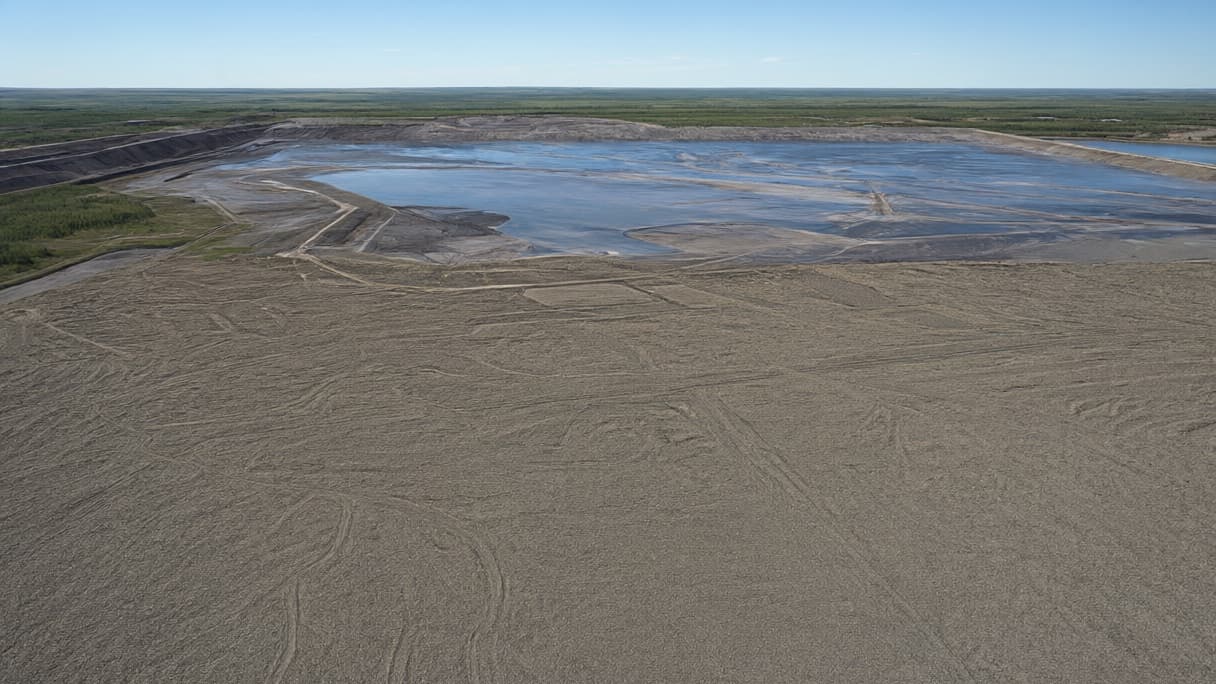
Prime Minister Mark Carney's push for a new export pipeline clashes with a growing crisis of toxic tailings ponds in Northern Alberta.
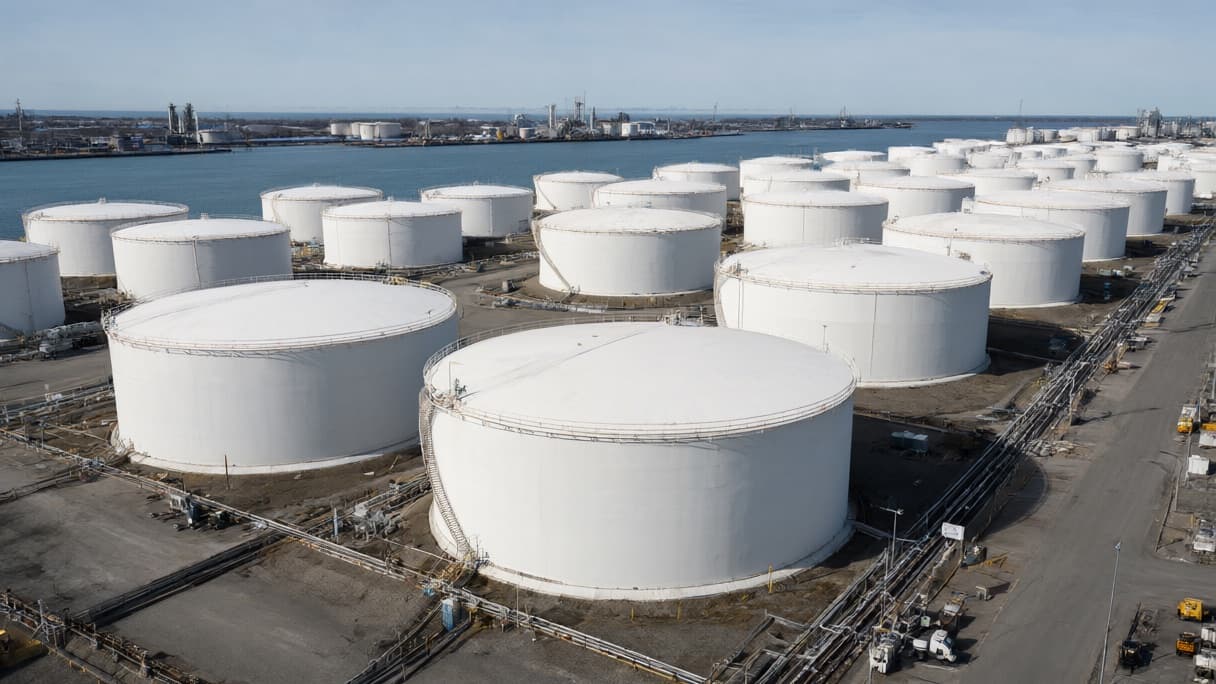
Prime Minister Mark Carney signals support for U.S.-led de-escalation efforts in Ukraine, though he warns a new U.S.-Russia fuel pact undermines European stability.
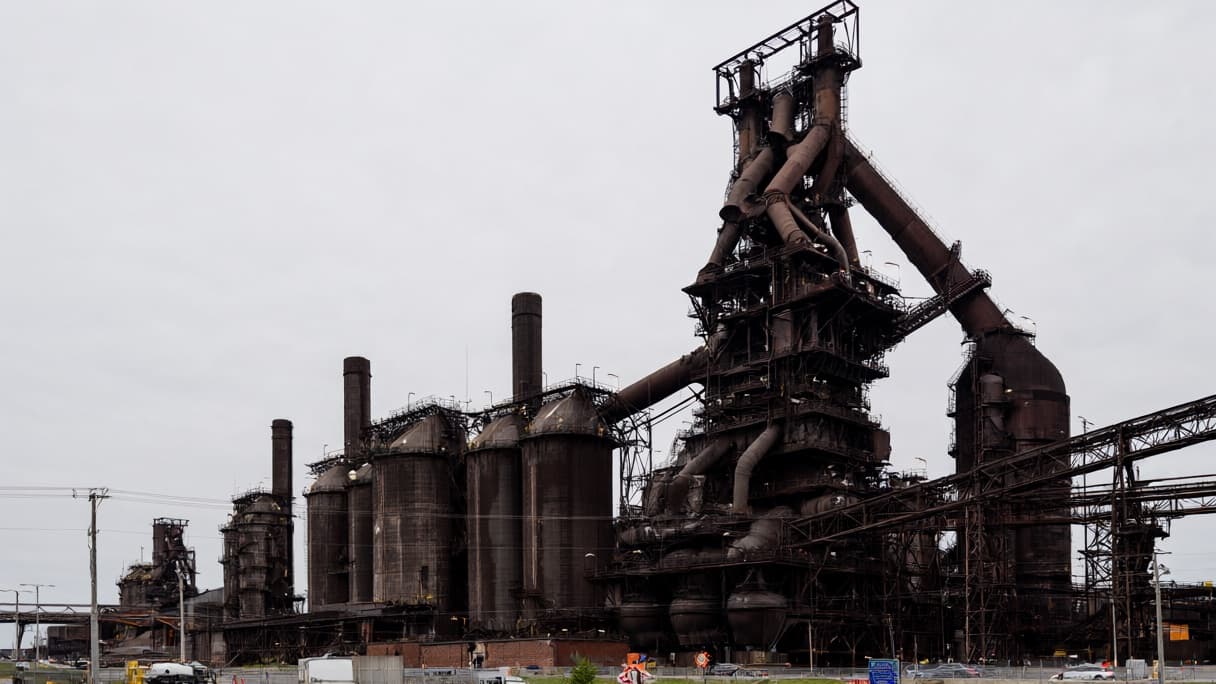
The steelmaker rejects federal claims that job cuts violate Investment Canada Act commitments, citing external trade pressures.
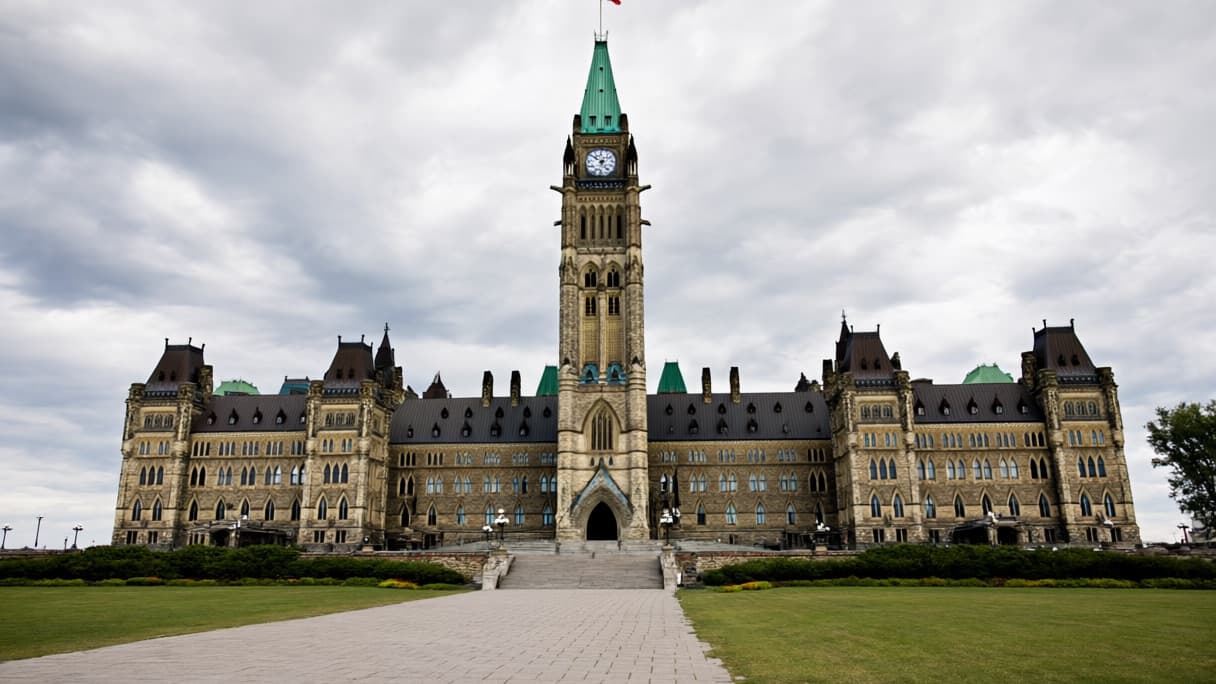
Mark Carney faces a dual challenge of national unity as Quebec elects a separatist government and Alberta considers a referendum on secession.
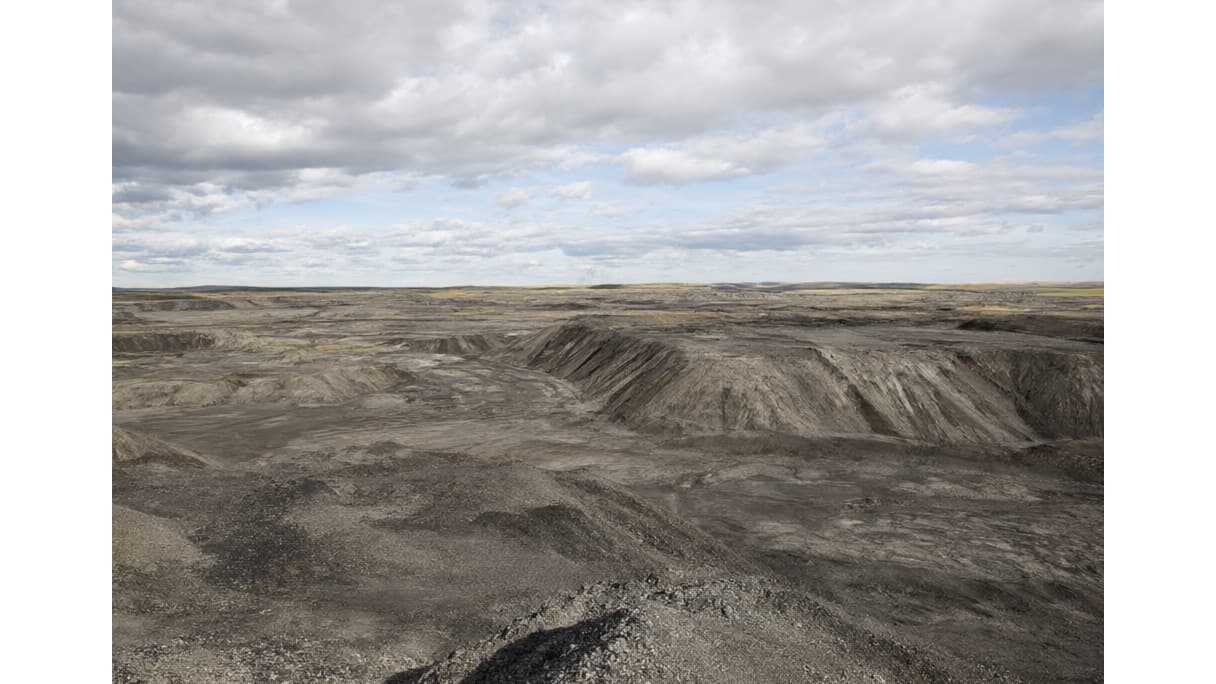
A Federal Court application seeks to quash the fast-tracking of an Alberta-to-B.C. pipeline, alleging a breach of treaty rights and a lack of consultation.

Global Affairs Canada pulled sponsorship of a Vilnius-based event that identified the United States as a foreign interference risk.
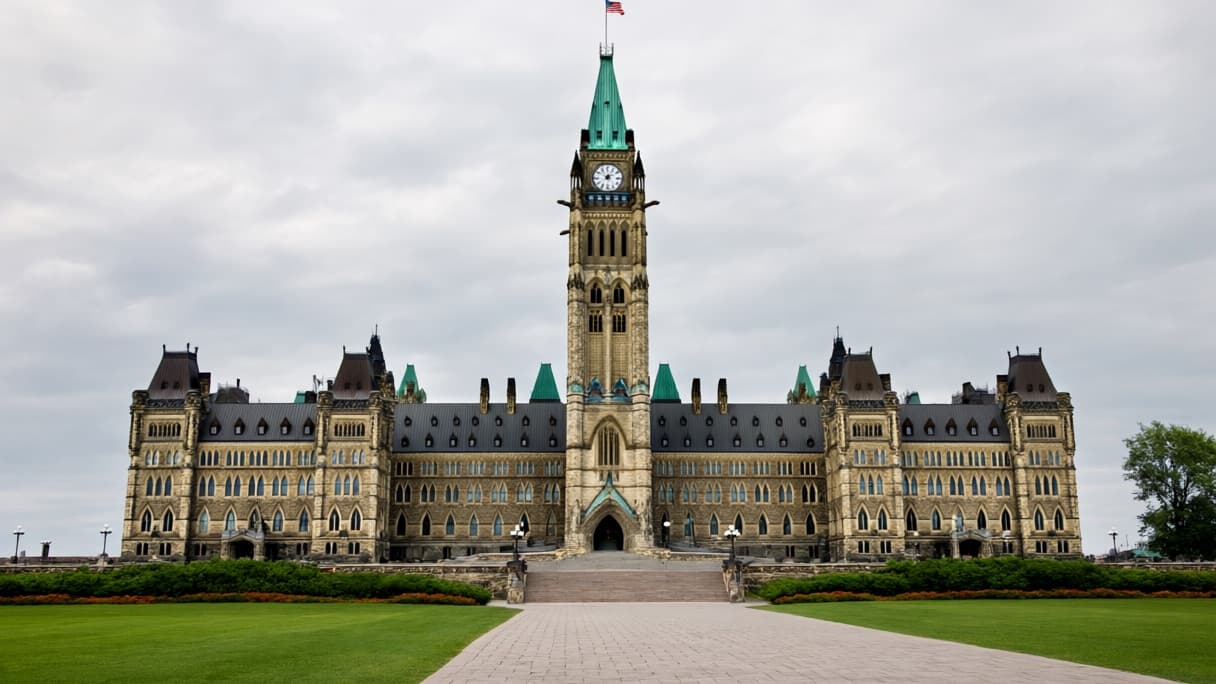
Immigration Minister Lena Metlege Diab's apparent ignorance of the cornerstone Supreme Court ruling on refugee rights suggests a systemic breakdown in Ottawa's commitment to the Charter.
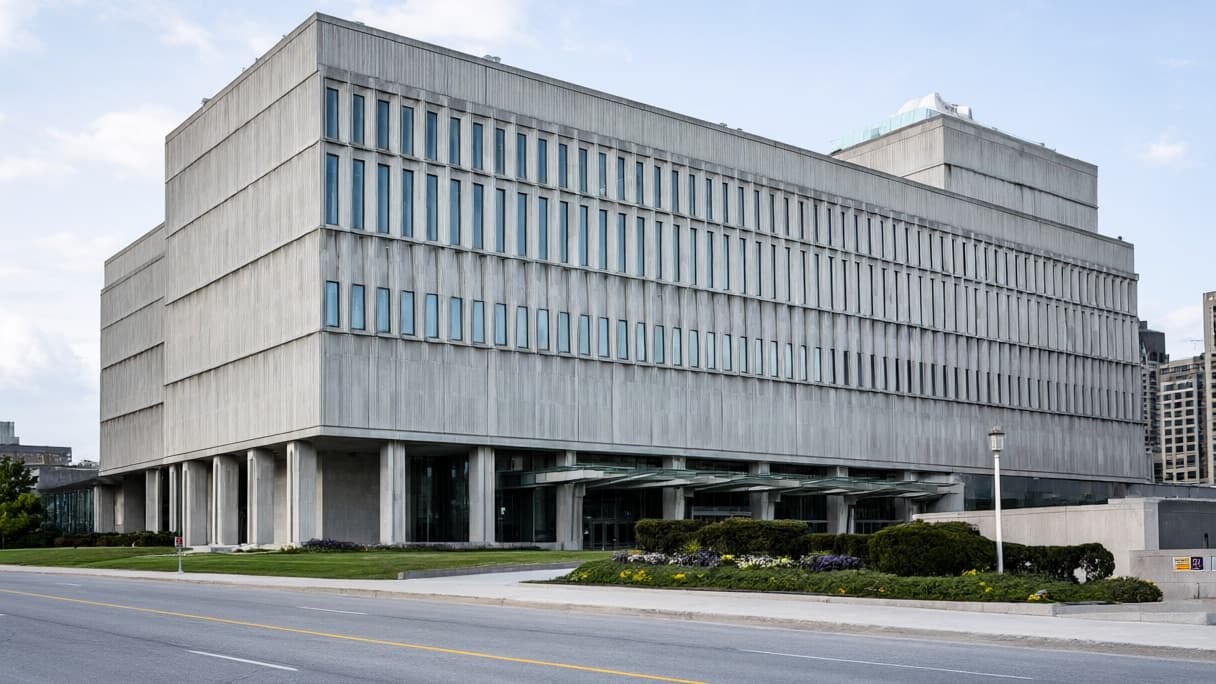
The Liberal government plans to grant the year-old agency operational independence to accelerate military procurement.
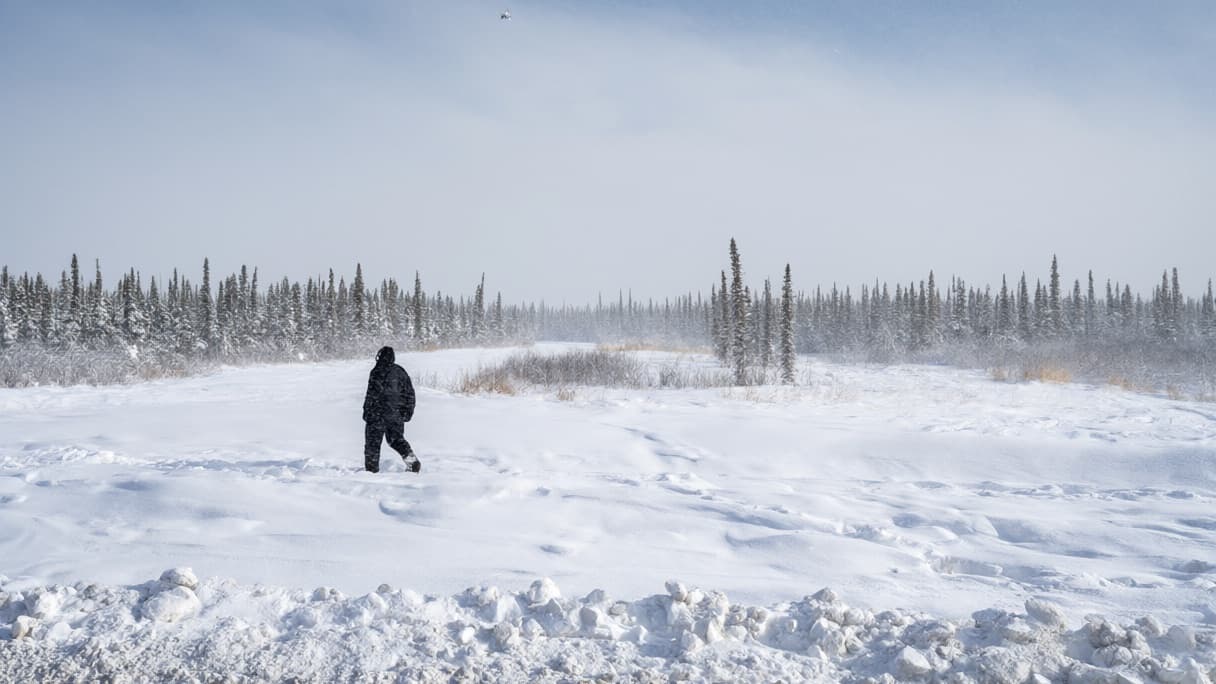
Internal evaluations of a major Alaska exercise expose a military struggling with basic winter soldiering and failing equipment, turning Ottawa's sovereignty promises into a security liability.
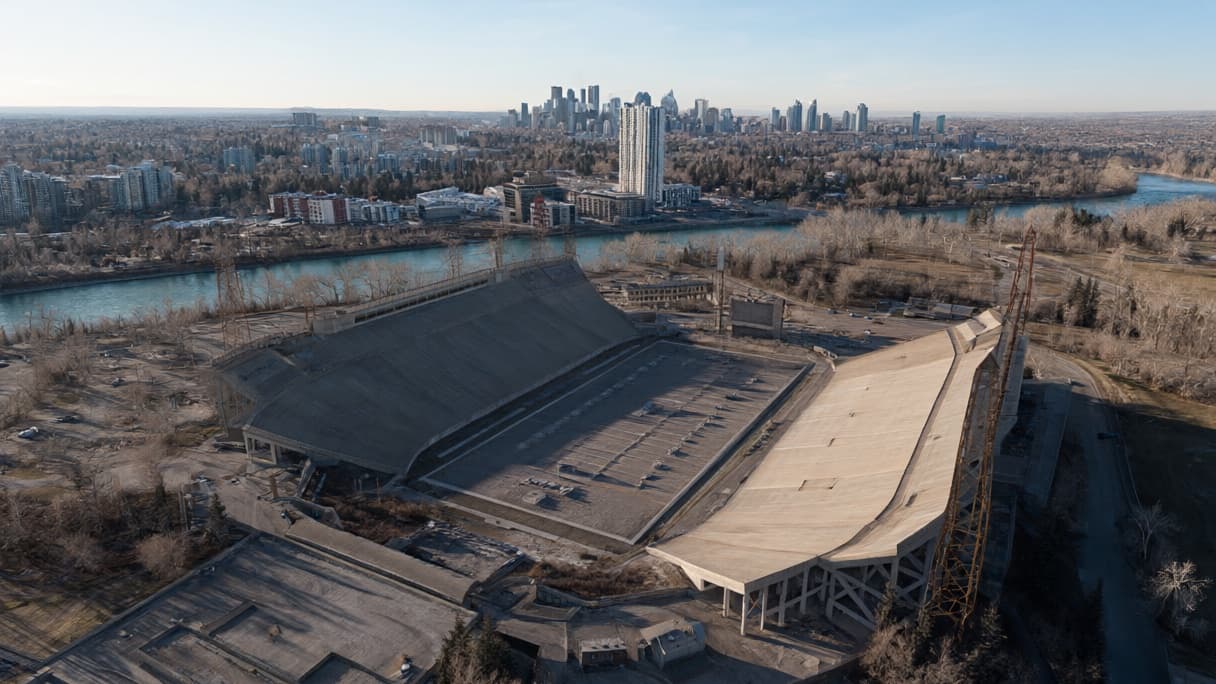
Leaked briefing notes show federal officials weighing an $18-billion fiscal shock and corporate flight as the Oct. 19 vote looms.
Leaked internal documents reveal a federal government bracing for an $18-billion fiscal shock and corporate flight, proving that even a 'no' vote on separation cannot cure the structural rot in Canada's national unity.
A new report from the Parliamentary Budget Office suggests the Toronto-to-Quebec City rail corridor could cost up to $113 billion, far exceeding initial government projections.
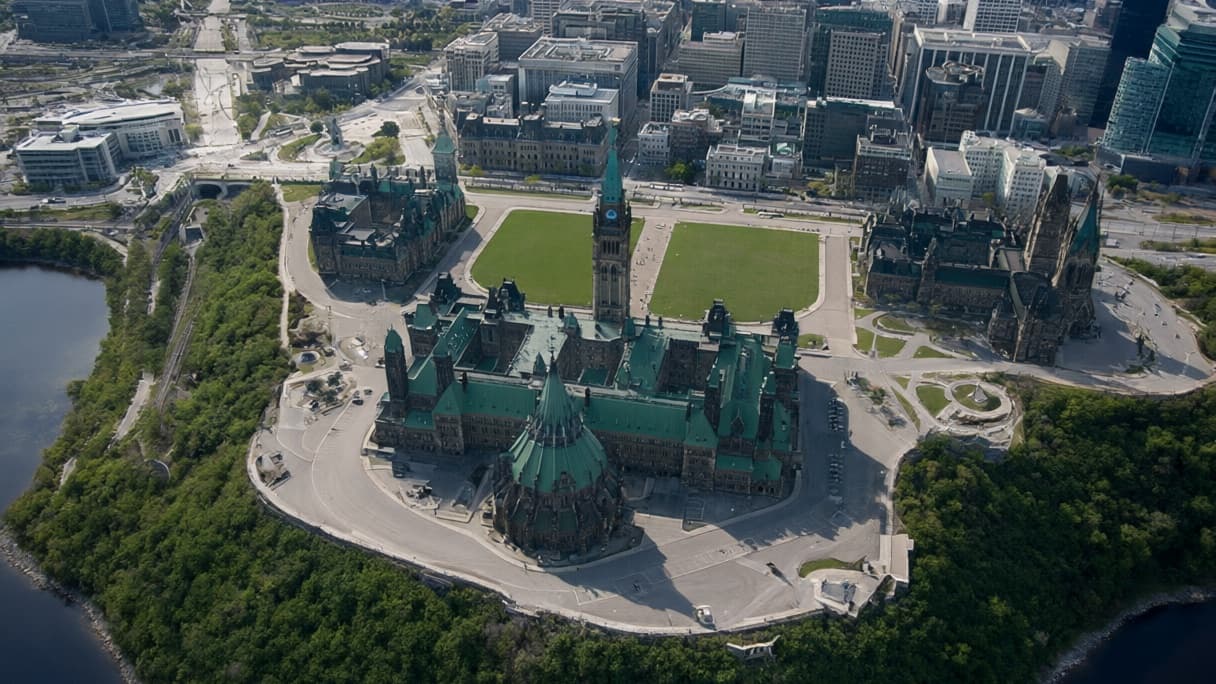
A federal progress report marks a policy shift in how Canada identifies hate speech, sparking debate over free expression and the definition of Zionism.
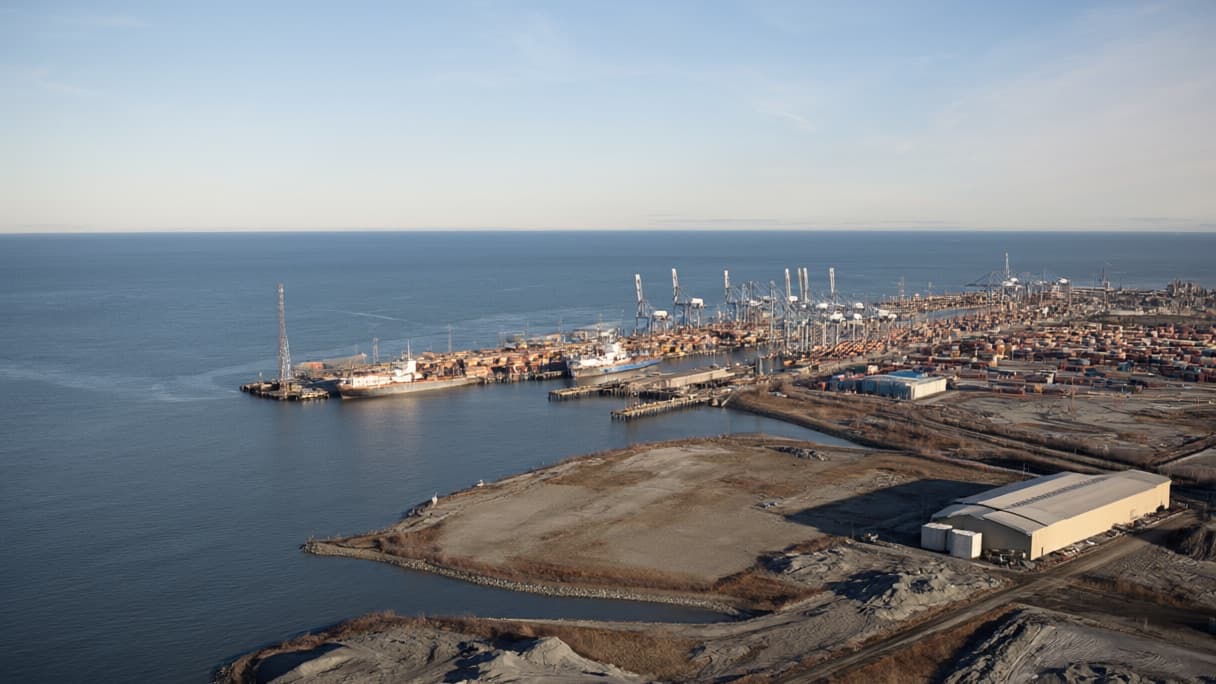
Prime Minister Mark Carney announces marine funding as Ottawa faces a deadline on a proposed Alberta-to-B.C. pipeline and port expansions.

The sudden imposition of bans on Canadian alcohol and dairy products reveals a breakdown in federal strategy and a dangerous erosion of the Canada-U.S. trade relationship.
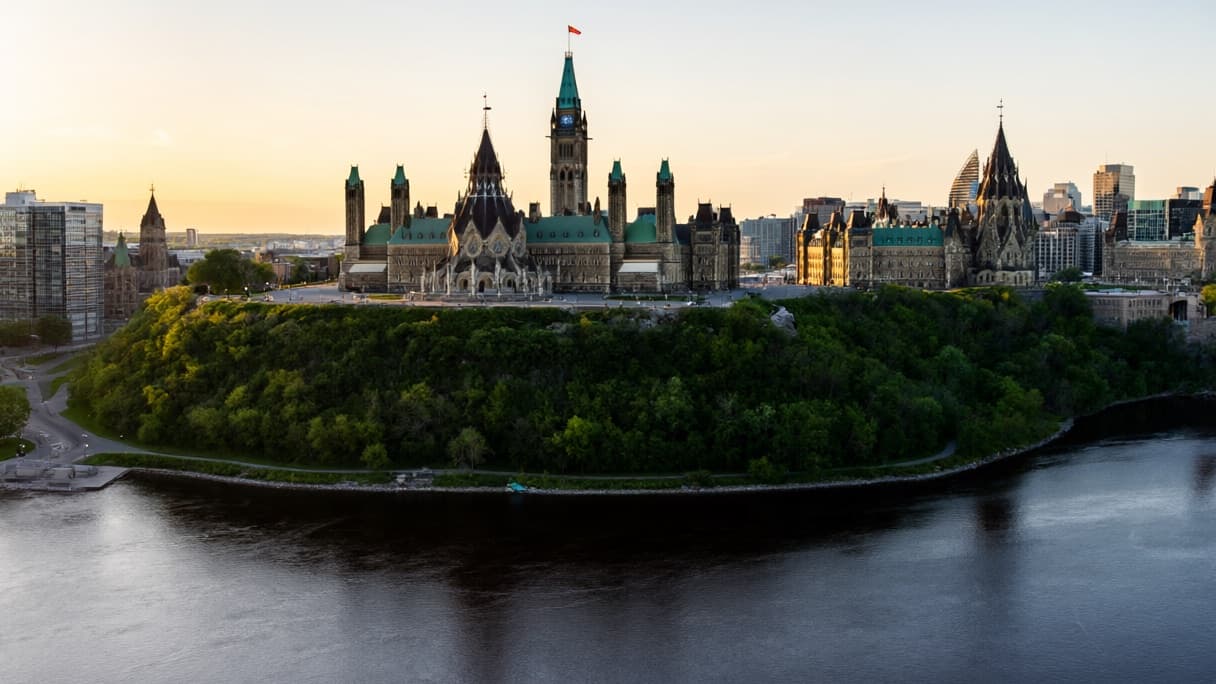
Retired General Wayne Eyre describes a 'soul crushing' tenure marked by disputes over military spending, lethal aid for Ukraine, and leadership scandals.
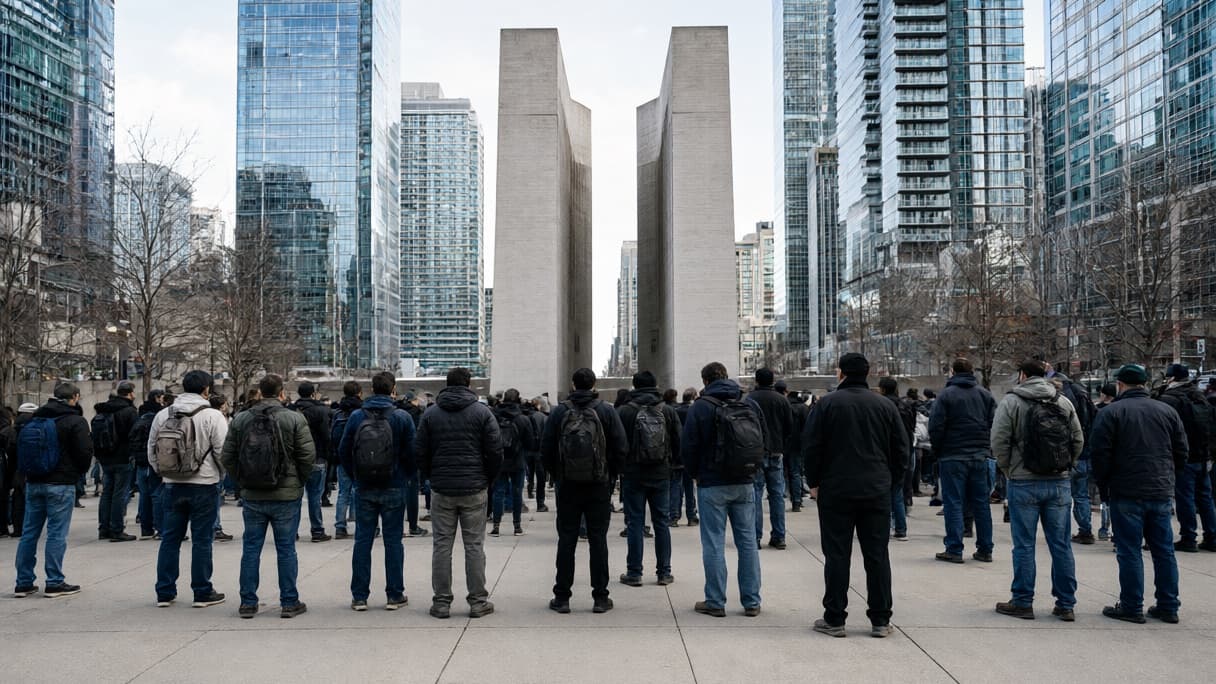
As the City of Toronto adds 14 names to its fallen firefighters' honour roll, the ceremony highlights a systemic failure by Ottawa to secure frontline wellness.
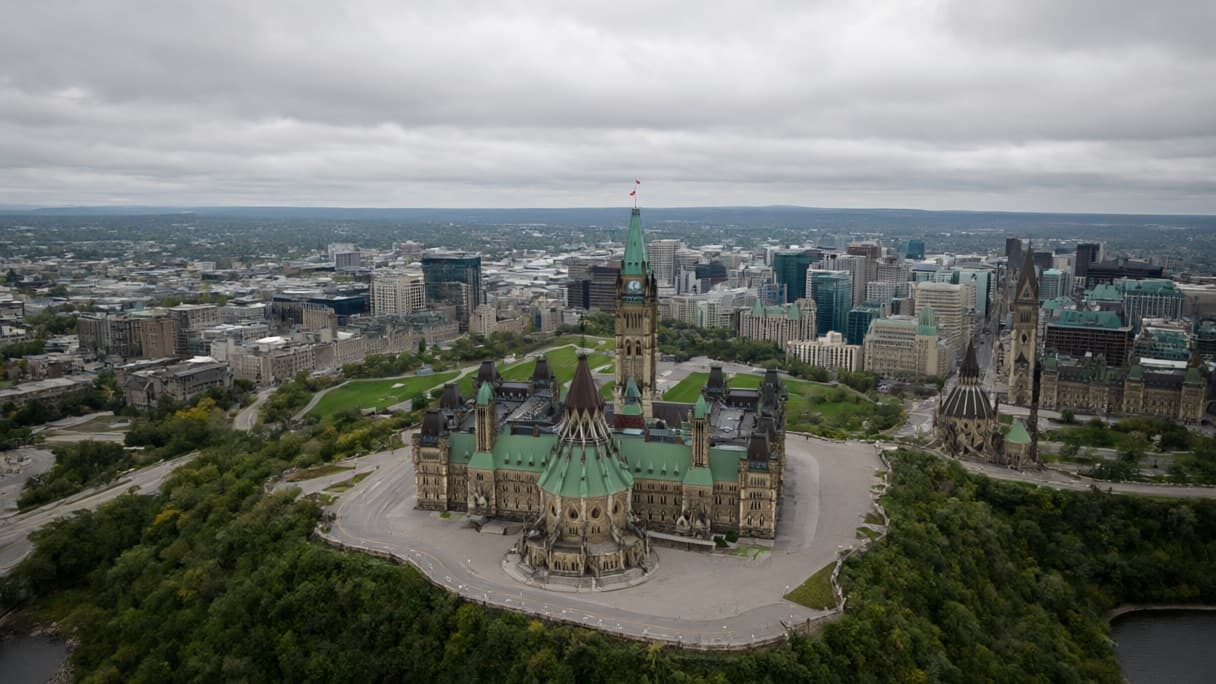
By preparing for U.S. military action, Prime Minister Mark Carney is acknowledging a breakdown in the foundational stability of the Canada-U.S. relationship.
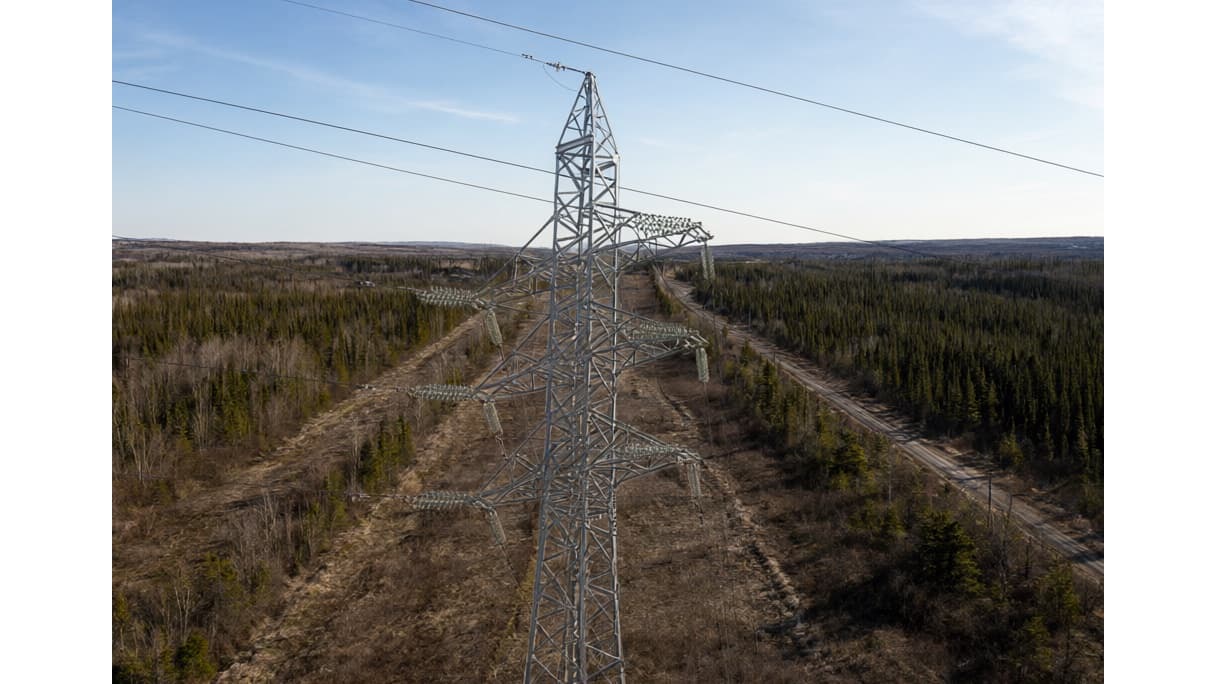
By prioritizing the speed of the Building Canada Strong Act, the Prime Minister may be trading long-term Crown relations for short-term industrial gains.
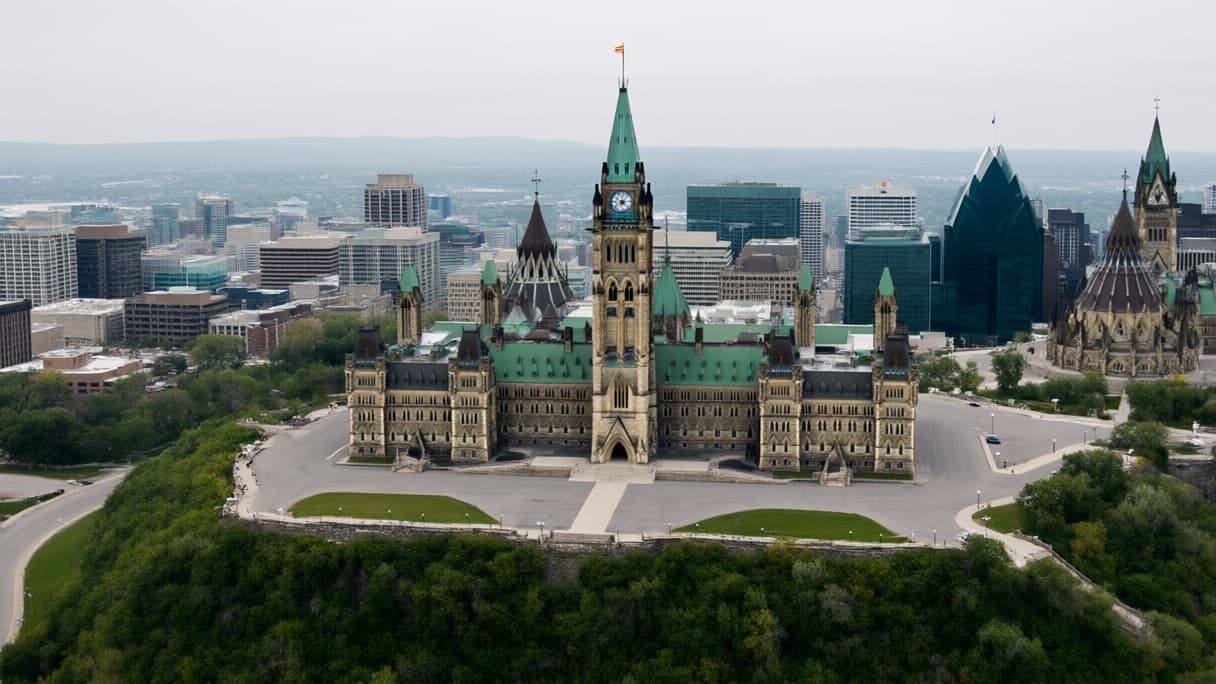
By attempting to secure sovereign wealth investment while navigating escalating Russian threats, Prime Minister Mark Carney is threading a needle between economic desperation and national security.

Gen. Jennie Carignan was defeated in a secret ballot for the chair of the NATO Military Committee, a position no Canadian has held in nearly 20 years.

By positioning Canada as a pillar of stability at the United Nations General Assembly, Prime Minister Mark Carney is signaling a pivot away from a fractured U.S. relationship toward a broader international stage.

As the White House moves to purge Canadian goods from federal procurement, Ottawa faces a stark reality: the era of predictable U.S. trade reliance is over.
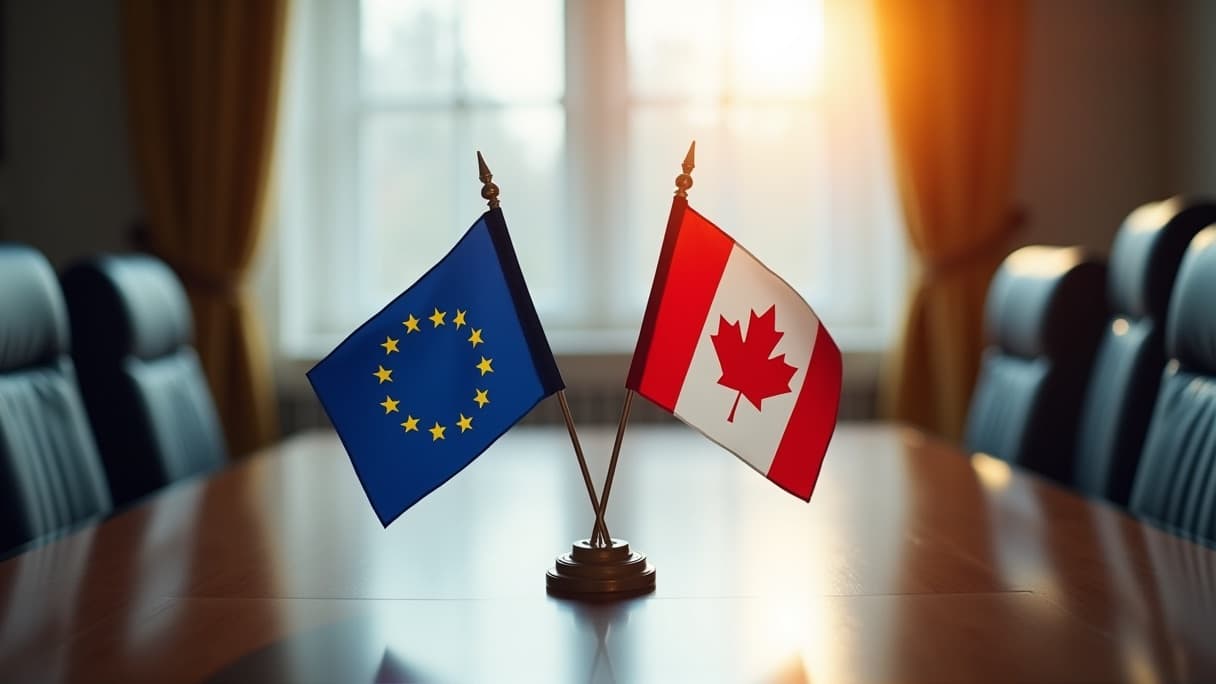
Ursula von der Leyen suggests a 'unique alliance' to bolster economic security and democratic ties as Donald Trump's tariffs push Ottawa toward Europe.
Opinion: By bypassing government sanction and inviting American partisans, Conservative MP Dean Allison has transformed a supposed quest for compassion into a calculated weapon for the next federal campaign.

While Prime Minister Mark Carney describes the latest U.S. trade assault as 'relatively modest,' the federal government's cautious approach contrasts sharply with the rapid-fire executive orders emerging from Washington.
Opinion: Canada's aggressive push into European defense markets is a strategic necessity in the face of U.S. trade friction, but our small-scale industrial base may struggle to meet the moment.

As the U.S. proposes the Motion Picture, Television and Entertainment Revitalization Act, Canada faces a critical moment to protect its competitive edge in foreign production.
OPINION: By triggering retaliatory tariffs on billions in U.S. goods, Canada is attempting to force a diplomatic pivot from Washington—but the cost to the American consumer and Canadian industry could be catastrophic.

The former Shared Services Canada president returns to the cyberspy agency to replace retiring chief Caroline Xavier.
While Conservative Party of Quebec leader Éric Duhaime claims the province is the most taxed jurisdiction in North America, a deeper look at net tax burdens and wealth redistribution reveals a more complex fiscal reality.

As President Trump utilizes social media tirades and territorial provocations, Prime Minister Mark Carney signals that Canada's return to the table depends on a shift from 'throwing shade' to serious diplomacy.

The Prime Minister's Office reports meetings with executives from 23 companies, including RBC and Enbridge, as the government seeks industry perspectives on trade volatility.
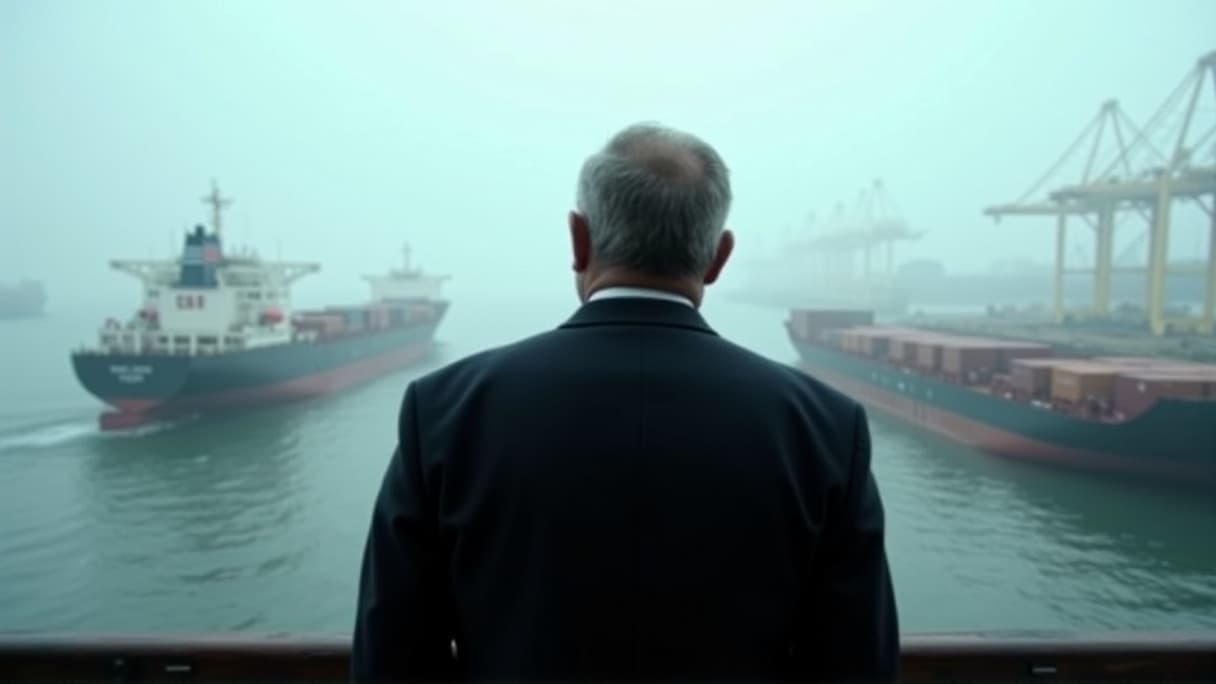
As the tariff war with Washington intensifies, the federal government is aggressively diversifying its military supply chain toward Europe and Asia to avoid future leverage traps.

Indigenous leaders and Canadian officials reject U.S. President's executive order to rename Lake Ontario, citing the erasure of Wendat history.

By striking back at U.S. imports, the federal government is attempting to project sovereign strength, but the breadth of the retaliation risks deepening a volatile trade war.
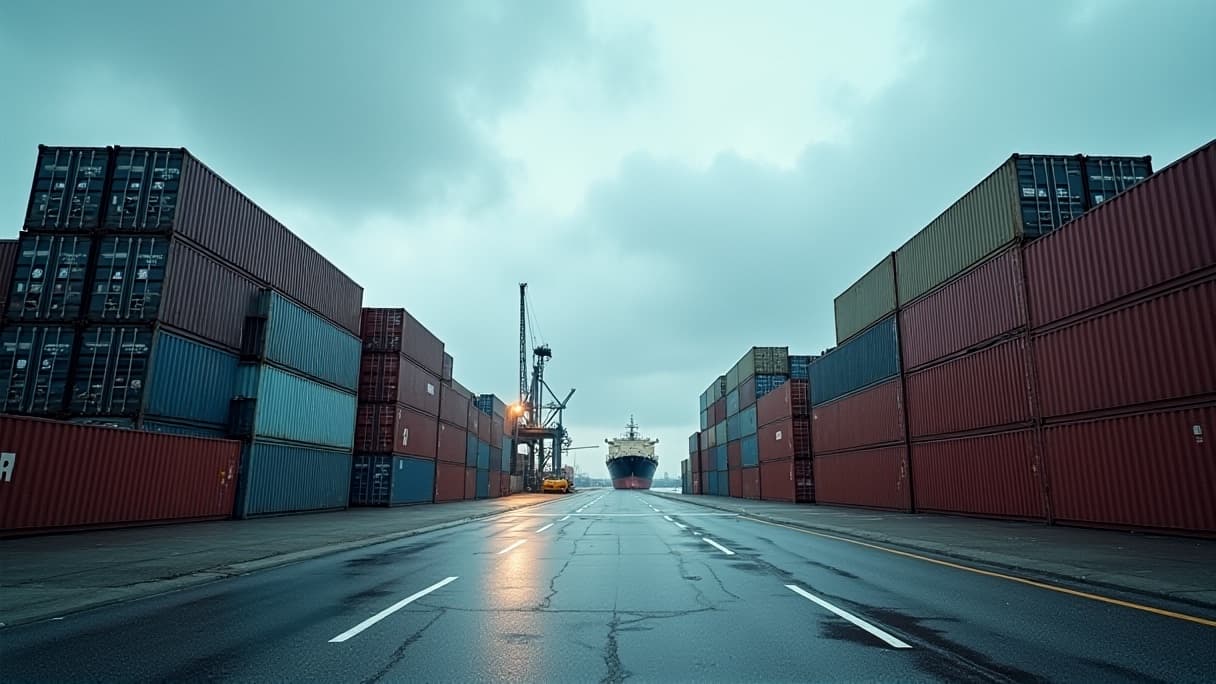
Opinion: Ottawa's latest relief package is a desperate attempt to soften a blow that will likely outpace the government's capacity to subsidize the fallout.

While a new poll shows Canadians back Prime Minister Mark Carney's decision to exit trade talks with the U.S., the move risks long-term economic stability for a geopolitical stand.
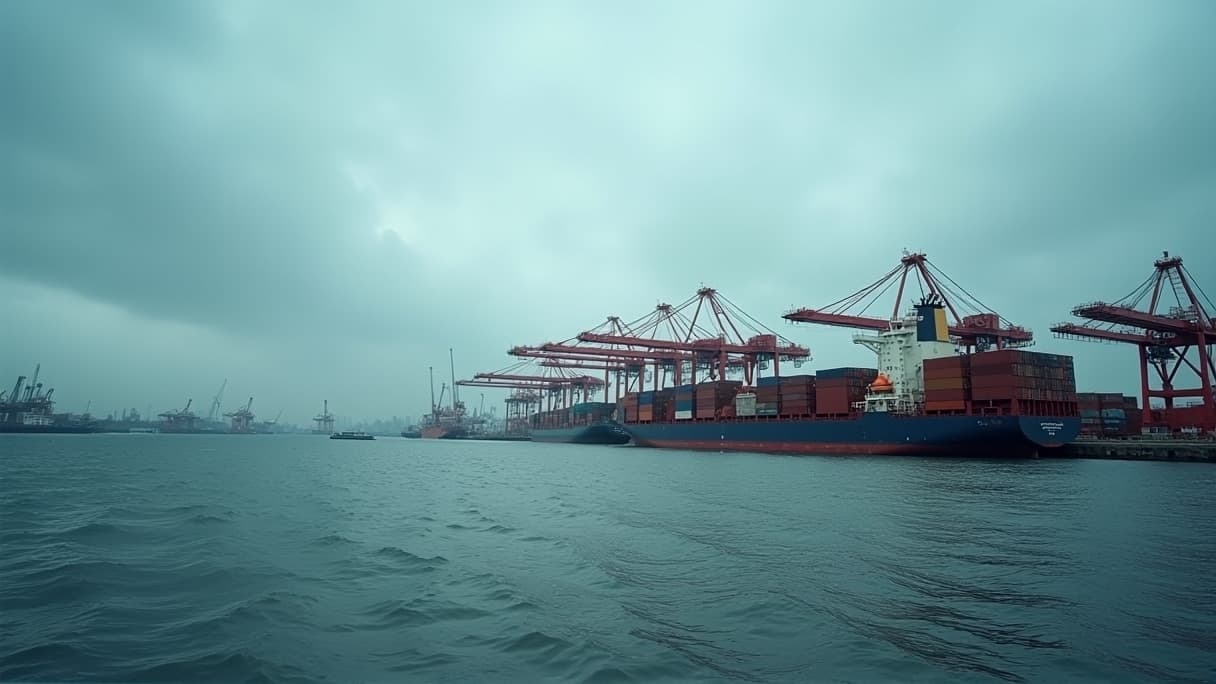
Alberta's Premier and the Prime Minister present a unified front after the collapse of Washington trade talks, though concerns remain over the impact of retaliatory measures.
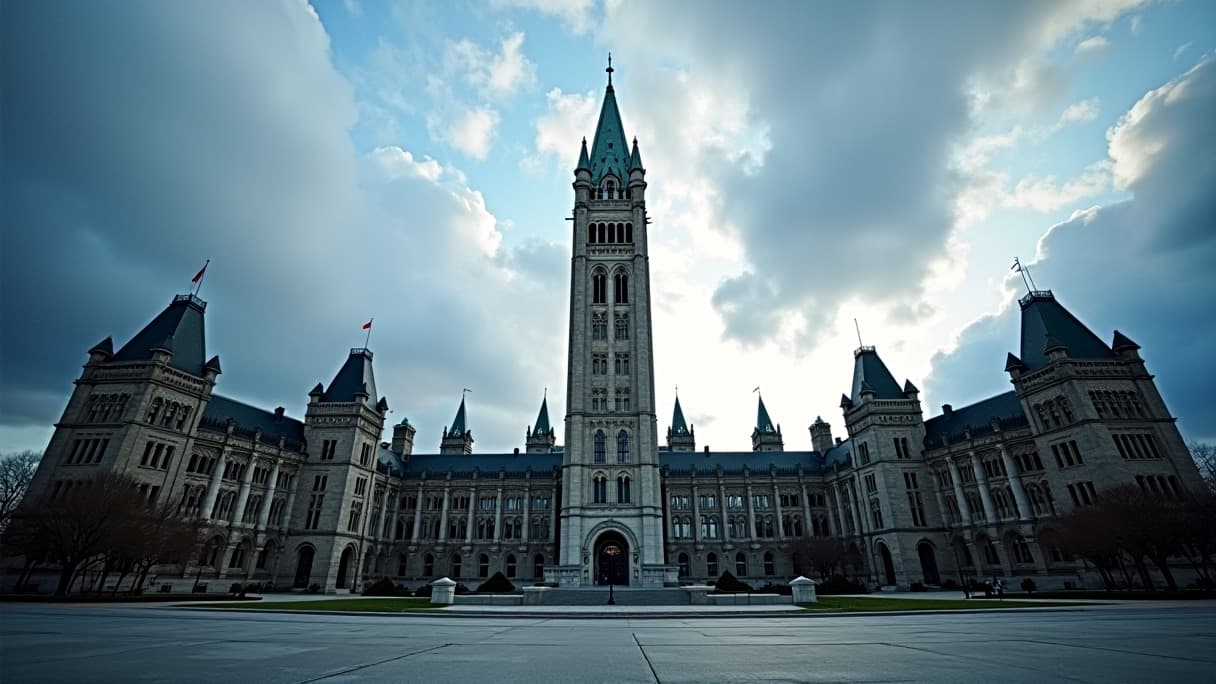
With a majority government already secured, the upcoming contests in three ridings signal a shift in Ottawa's legislative dynamics.

Former government advisors argue that the Carney government's push to accelerate major project approvals would render endangered species protections meaningless.

Opinion: While Ottawa frames the new energy deal as a climate victory, the real story is Prime Minister Mark Carney proving he can navigate the treacherous waters of regional diplomacy.

Opinion: Dominic LeBlanc is walking into a geopolitical buzzsaw, and Ottawa's hope for a diplomatic carve-out ignores a Washington that no longer cares about the 'special relationship.'

Preston Manning's return to the public forum signals a dangerous escalation in Western alienation that the federal government can no longer afford to ignore.

A new report warns that the collapse of the Canada-U.S.-Mexico agreement could wipe out over 100,000 jobs, exposing a dangerous lack of contingency planning in Ottawa.
A public prediction record for Jean-Luc Tremblay’s calls is coming soon.