
Carney’s December Gamble: More Than Just Six Seats

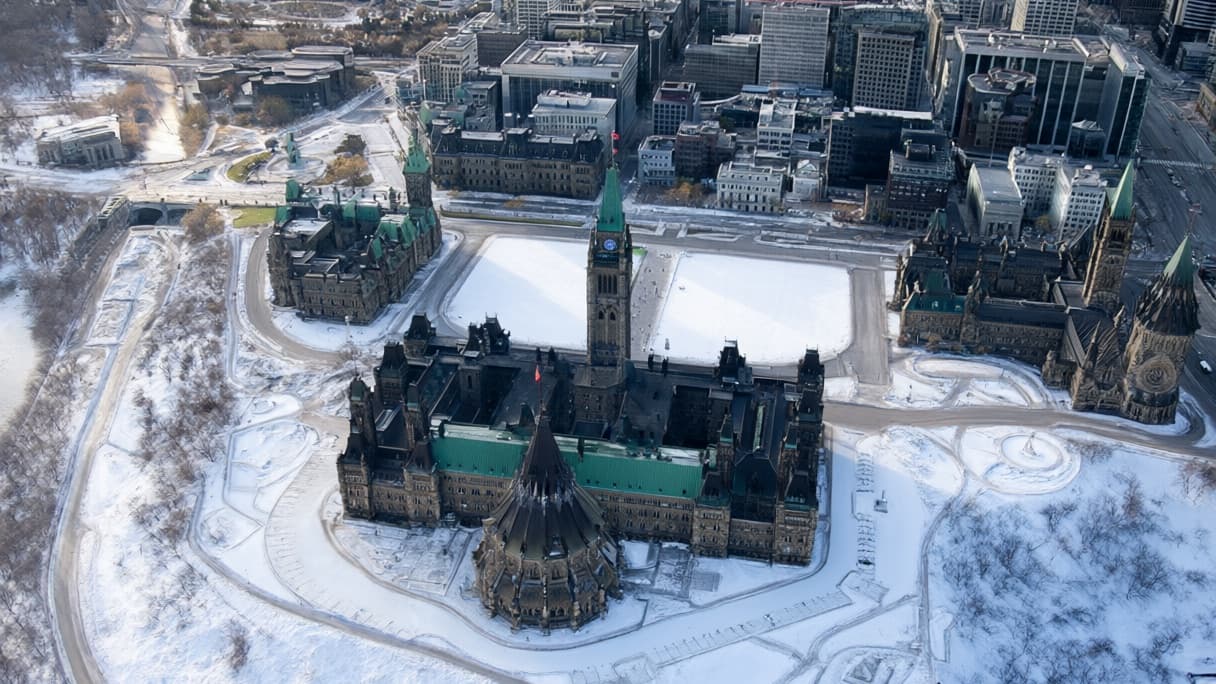
AI-generated image · Bay Street Wire
OPINION: Prime Minister Mark Carney is using the upcoming byelections as a high-stakes litmus test for his personal brand and the Liberal Party's viability.
Prime Minister Mark Carney is playing a calculated game. By calling six byelections for December 7 across Ontario, Quebec, and Saskatchewan, the Prime Minister is doing more than simply filling vacancies left by retiring or departing MPs. He is conducting a high-stakes litmus test for his own personal brand and the long-term viability of the Liberal Party ahead of the next general election.
On the surface, the stakes seem low. As CBC News reports, the Liberals currently hold a thin majority with 173 seats; losing all six races would not strip them of their ability to govern. However, in the world of political momentum, the optics are everything. Carney has already enjoyed a string of successes this year. CityNews Toronto reports that the Liberals won three byelections in April—Terrebonne, University-Rosedale, and Scarborough Southwest—and swept another three on August 31, including flipping the Conservative seat in Chicoutimi-Le Fjord.
By doubling down now, Carney is attempting to prove that his brand of leadership can penetrate diverse regions and displace entrenched opponents. Look at the candidate choices: in Laurier-Sainte-Marie, the Liberals have tapped Guy Cormier, the former president and CEO of Desjardins Group, to replace former environment minister Steven Guilbeault. In Yorkton-Melville, a riding the Liberals haven't won since 1968 and where Conservative Cathay Wagantall once took over 77 per cent of the vote in 2025, Carney is running Yorkton Mayor Aaron Kienle against Conservative Nelson Pohl. These aren't just placeholders; they are attempts to expand the Liberal map into hostile or volatile territory.
However, the road to validation is fraught with risk. Conservative Leader Pierre Poilievre is already framing these votes as a referendum on Carney’s economic record. At a news conference, Poilievre argued that hard-working Canadians find it "unacceptable" for Mark Carney to drive up the costs of housing, groceries, and gas. Poilievre is positioning his party as the alternative for those seeking to save money and reform the immigration system.
Internal party friction is also threatening to undermine the Conservative effort, which Carney will undoubtedly seek to exploit. In Brantford-Brant South, the Conservatives appointed Mayor Kevin Davis as their candidate, bypassing a local nomination contest. According to Global News, this move prompted former MP Larry Brock to endorse pastor Dave Carroll, who is now running as an independent. As CityNews Toronto notes, Carroll’s candidacy could siphon critical votes away from Davis, potentially handing the seat to Liberal candidate Joy O’Donnell.
Whether in the Quebec ridings of Rosemont-La Petite-Patrie and Saint-Hyacinthe-Bagot-Acton—where the Liberals are running Jean-Sébastien Vallée and Chantal Soucy, respectively—or in Ontario's Scarborough North with candidate James Li, the objective is the same. Carney isn't just looking for seats; he is looking for a mandate. If the Liberals can flip Conservative strongholds or hold off the Bloc Québécois and NDP in Quebec, Carney enters the next general election as an ascending force. If they stumble, these byelections will reveal that his early-year momentum was a mirage, leaving the party vulnerable to Poilievre’s economic critique.