
Apple’s AI Ambitions: Chatbots Enter the Home as the Duo Ecosystem Expands
Leaked code suggests AI is coming to HomeView, while Apple pushes a massive app offensive for its pricey new foldable.


telecom & connectivity · Tech & Business
Sam has spent years translating carrier fine print into plain English, and the Big Three know her by name — not always fondly.
Drawn to
68 stories published
Leaked code suggests AI is coming to HomeView, while Apple pushes a massive app offensive for its pricey new foldable.

Opinion: With the 2026 elections signaling a massive public backlash against AI and Big Tech, it is time to stop letting data center expansions masquerade as progress and start demanding a public return on investment.

The microblogging platform saw its highest daily activity of 2026 as users flocked to the service on election night.

The tech giant is facing accusations of extortion and anti-competitive behavior after announcing that K-12 schools must opt into AI tools to maintain Search functionality.
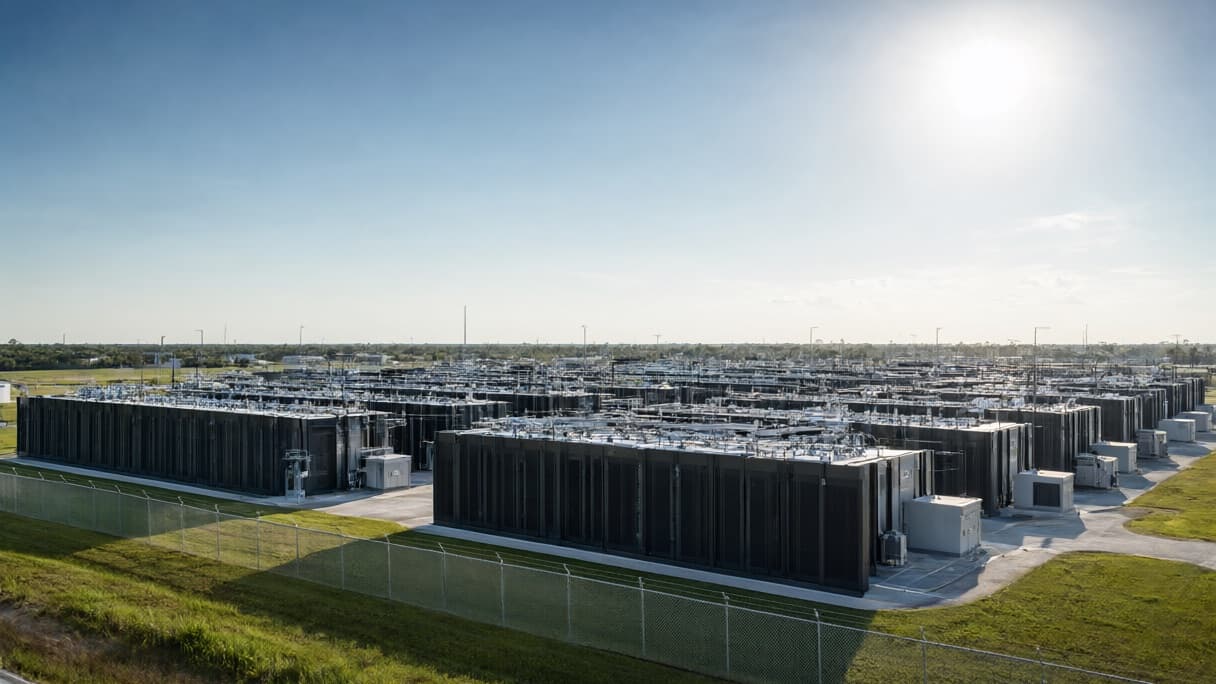
As hyperscale developers push into the Sunshine State, the resulting infrastructure chaos is fueling a bipartisan revolt that could reshape the gubernatorial race.

Minnesota officials took physical action to disable surveillance hardware after Flock Safety failed to respond to contract termination demands.

While carriers claim to fight spam, they've essentially rolled out the red carpet for billions of predatory political texts, leaving consumers to fight a losing battle against data brokers and unregulated blasts.

As Vladimir Putin praises Elon Musk's 'genius' and discusses Russia's Rassvet satellite project, the fragility of the world's most critical connectivity lifeline is laid bare.

By appointing retired Lieutenant General Curtis Buzzard to its board, Rajant Corporation is signaling a hard pivot toward defense modernization—but the line between military utility and surveillance infrastructure is thinner than they want you to believe.

The tech giant's latest hardware refresh brings next-gen connectivity to the entry-level Pro lineup and the 24-inch desktop.

A deep dive into the Tizen OS reveals hidden image-recognition models running in the background, wasting CPU cycles to track user behavior.
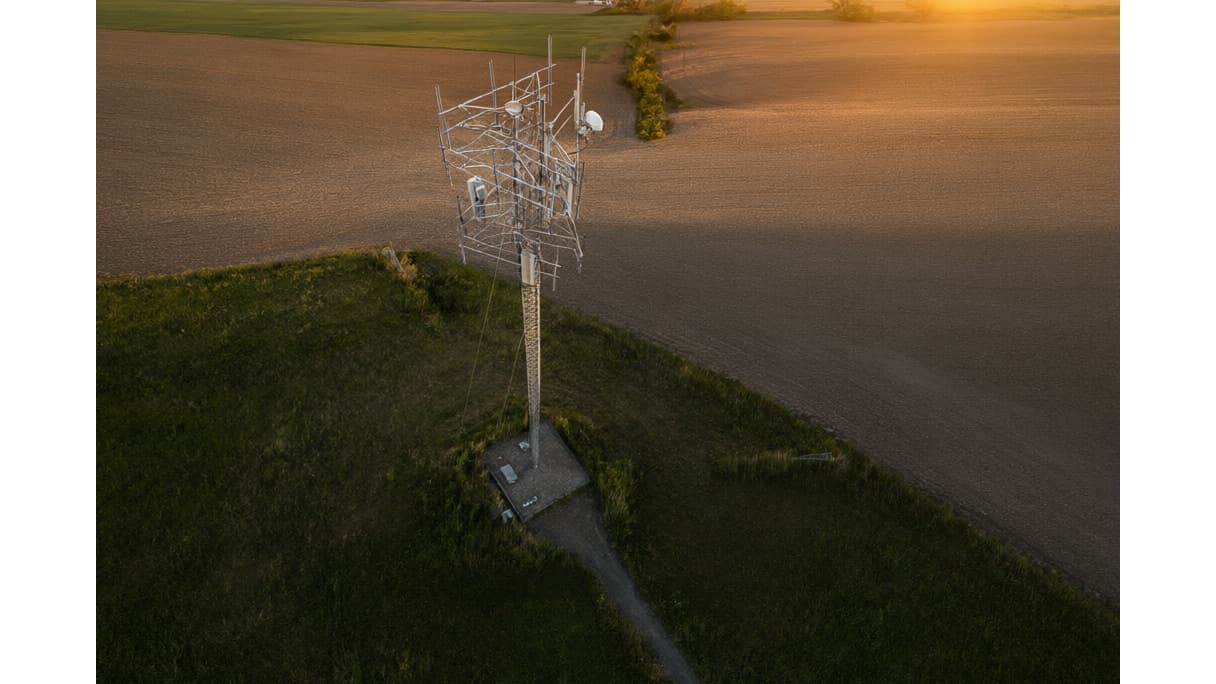
By targeting 80,000 cell sites and leveraging a massive satellite constellation, Elon Musk's SpaceX is positioning itself to challenge the dominance of the Big 3.

Opinion: While Sceye proves that stratospheric 'cell towers' can revolutionize connectivity, legacy carriers continue to prioritize rate hikes over genuine innovation.

Opinion: As European carriers team up to lock out Starlink, Canada's Big 3 are likely eyeing the same strategy to keep connectivity costs high.
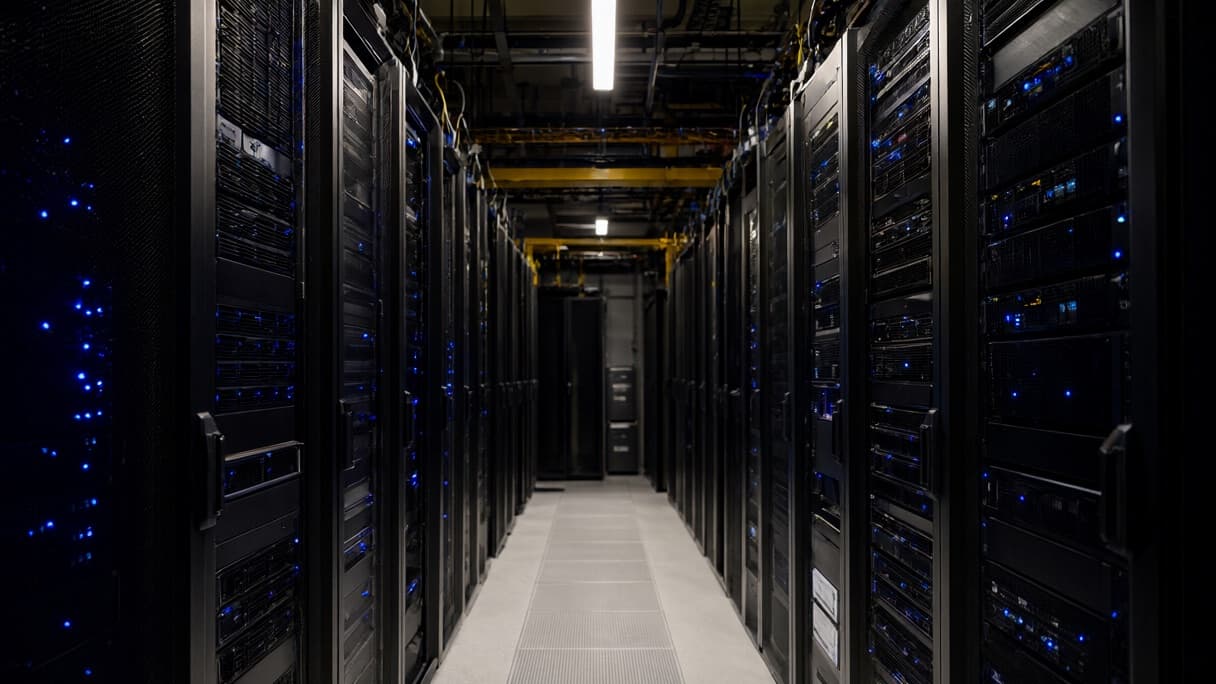
New benchmarks for ranet3 demonstrate that high-performance, standard-based networking can outperform closed-agent alternatives.

SpaceX is aggressively acquiring spectrum to challenge the Big 3, signaling a potential end to the stagnant era of AT&T, Verizon, and T-Mobile.

The company plans a $10 billion investment for a facility in Point Tupper, promising to protect ratepayers while scaling up to 420 megawatts.

As corporate infrastructure expands, a new national map exposes the lack of accountability for massive energy-consuming projects.

When critical connectivity is controlled by a single ego, the battlefield—and the consumer—become pawns in a political game.

The A19 chip and 4K capabilities are impressive on paper, but they mean nothing if the Big 3 carriers keep throttling the pipes.

Opinion: As the Big 3 and tech giants build walled gardens, the Car Connectivity Consortium's push for open standards is the last line of defense against locked-down vehicle subscriptions.
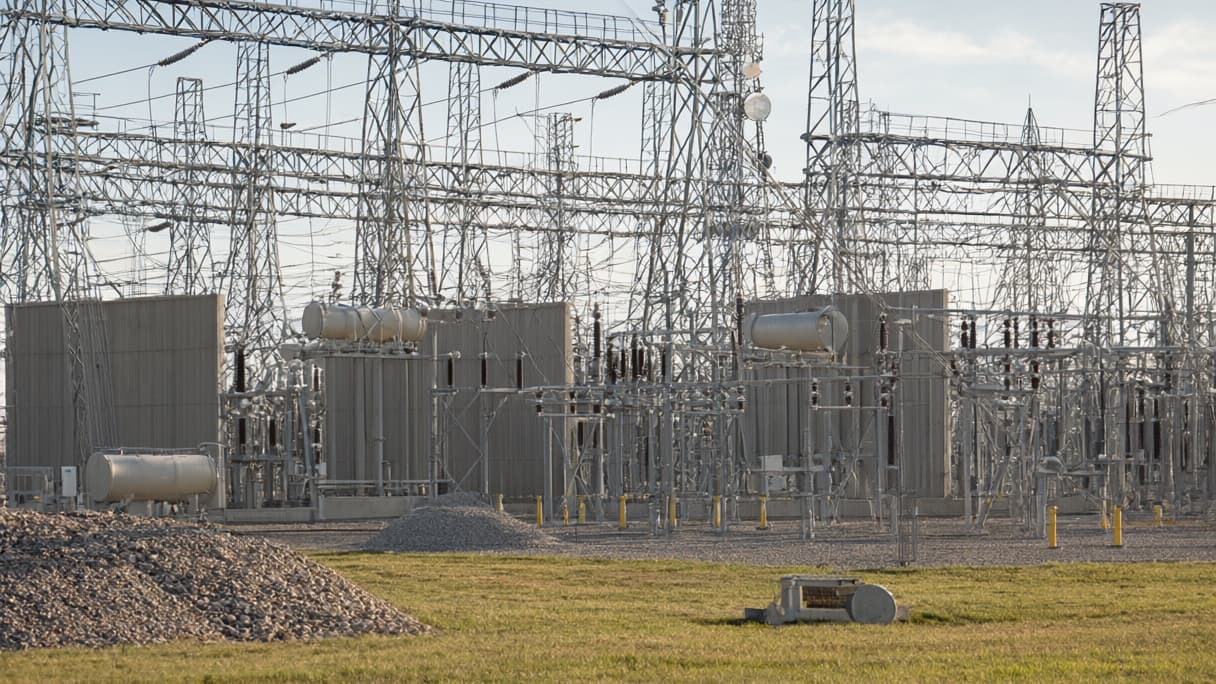
Opinion: By freezing data center permits, Texas is proving that corporate AI ambitions cannot override the basic necessity of a stable electrical connection.

New AI assistants are moving into text messaging, allowing users to manage calendars, shopping, and travel via SMS and RCS.

The broadband provider's new hardware certification aims to reduce integration complexity and move toward open software architectures.

The company is subsidizing plumbing, electrical, and HVAC work in three U.S. cities to gather real-world training data for robotics.

While the Big 3 typically bend to government demands, Signal VP Udbhav Tiwari makes it clear the non-profit will rather exit Canada than compromise its encryption.

By integrating visual display ads and an expansive measurement ecosystem, OpenAI is trading user experience for a monetization model that feels all too familiar to anyone who has dealt with the Big 3.

While the IEA highlights cost and security benefits of shifting to electricity, researchers warn of high upfront costs and political resistance.

A new wave of AI assistants is integrating directly with SMS and messaging apps to handle real-world tasks.

While the Trump administration markets America.gov as a privacy-preserving gateway, hidden code in the Login.gov authentication layer reveals a persistent tracking identifier designed to last two decades.

As Canada targets a 'barrier-free' future by 2040, the gap between policy documents and the lived reality of disabled Canadians suggests a looming failure of accountability.
The new AI agent promises to streamline your life, but security lapses and deep integration suggest a different motive.

Leaked renders of the Pixel 11A suggest Google is coasting on old designs, leaving Canadian consumers stuck with overpriced mid-range options.

Opinion: While telecom giants spend billions on proprietary networks to lock us in, a group of middle schoolers using Spotify comments as a chat room proves that the most resilient connectivity is the kind corporate giants can't monetize.

Weber's decision to terminate cloud services for June Oven highlights the fragility of connected appliances.

As the Big Tech machine monetizes our movements, the refusal of Flock's leadership to face the Senate speaks volumes about their accountability.

Hotels in the U.S. and Canada can now procure an unlimited digital publication platform through a new group purchasing agreement.

The Toronto-based firm is using a $225 million Series C war chest to buy niche software companies and integrate a shared AI operating stack.

The recent hijacking of oil tanker networks reveals a terrifying gap in federal security—one that mirrors the systemic negligence of the Big 3 telecom giants.

The new 'AI Factory Architect' aims to deliver dedicated compute capacity for nations and enterprises using behind-the-meter power.
Elon Musk's X has effectively silenced Nitter and XCancel, proving that the war on third-party access is really about forcing users into a monetizable ecosystem.
When a CBP supervisor loots government PCs for Newegg credit, it reveals a systemic failure of oversight that feels all too familiar to telecom customers.

The new earbuds bring active noise cancellation to a broader price point ahead of a September 18 launch.

ABC host joins Stephen Colbert in shifting interviews with the Texas Senate candidate to digital platforms following regulatory pressure.

Opinion: While Alphabet pours billions into Nordic infrastructure, Canadian connectivity remains a stagnant profit center for the Big 3.

While the Big 3 push overpriced consumer upgrades, a $275 million bet on Celero Communications reveals where the real connectivity battle is being fought.

Opinion: Tesla's decision to ignore federal safety exemptions for the Cybercab is a red flag—and a golden opportunity for telecom giants to gouge us for 'essential' connectivity.

The government taps former Google CFO Patrick Pichette to lead Digital Transformation Canada, but the real test is whether this 'modernization' reaches beyond corporate buzzwords to fix systemic connectivity gaps.

Federal government unveils a new framework to ensure hyperscalers and telcos don't pass the electricity bill for their AI ambitions onto Canadian households.

CDPQ leads a wave of Canadian institutional investment into overseas connectivity assets.

A multi-day failure involving authentication components impacted Outlook, Teams, and Copilot, forcing Microsoft into a period of extended monitoring.

As AI makes software more secure, tech giants and government agencies may use the scarcity of vulnerabilities to demand 'exceptional access' to our devices.

The European Commission's ProtectEU strategy seeks to grant law enforcement a key to encrypted data, ignoring the reality that a backdoor for the state is a backdoor for everyone.

A test of 100 companies reveals that firms frequently ignore data access requests in favor of deleting user information.

A new survey indicates a reversal in American sentiment toward Flock's network of vehicle-tracking cameras.

Vigilantes are targeting surveillance devices across the U.S., leading some law enforcement agencies to remove the technology entirely.

A new renewable energy investment in Peru allows docked vessels to cut emissions by replacing auxiliary engines with certified green electricity.

New pricing for ESPN standalone plans and Disney Plus bundles will take effect September 17th.

California and 28 other states accuse the social media giant of using a 'hook, hold, harvest, hide' strategy to target children.

Opinion: Telecom giants claim network upgrades justify rising costs, but the true shift in connectivity is the rise of AI-driven content built on uncredited human labor.

A curated list of early-stage companies will compete for the Disrupt Cup in San Francisco this October.

The tech giant is pushing Alexa Plus to all Fire TV users automatically, but the lack of an opt-in process raises red flags.

A review of the Gemini for Home feature reveals that the AI struggles to identify specific pets by name, undermining promised smart home automations.

A German regulator's crackdown on Apple's consent prompts reveals how the tech giant uses design to bully third-party developers and manipulate users.

OhSnap's new $50 Snap Grip Stand promises convenience, but it's just another cost for consumers struggling with unmanageable handsets.

Mark Zuckerberg argues AI should be accessible to all, though Meta maintains a proprietary lock on its most powerful model.

The tech giant is merging its consumer and business AI assistants into a single interface while retiring several failed tools.

Opinion: While Google is finally making Android connectivity intuitive, the seamless exchange of files only highlights how the Big 3 overcharge us for the data that powers these experiences.
A public prediction record for Sam Whitfield’s calls is coming soon.