
The Data Center Deluge: Florida's Grid as a Tech Playground

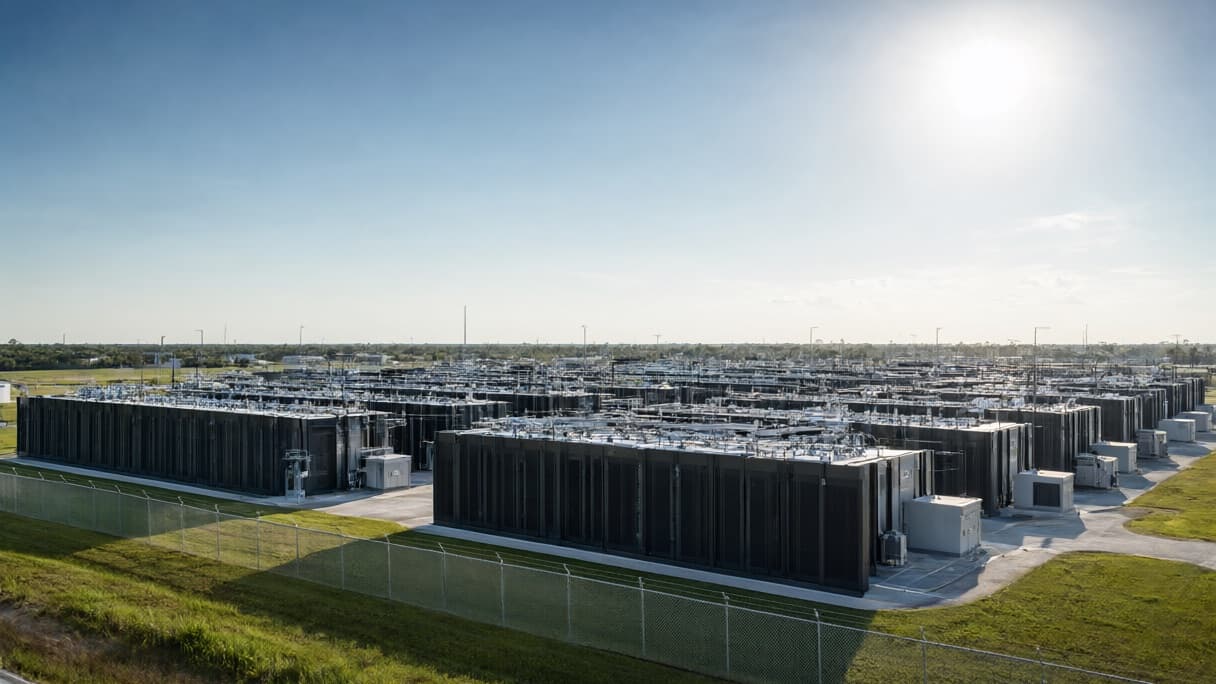
AI-generated image · Bay Street Wire
As hyperscale developers push into the Sunshine State, the resulting infrastructure chaos is fueling a bipartisan revolt that could reshape the gubernatorial race.
For too long, the Big 3 and their cloud partners have viewed local infrastructure as a disposable resource. Now, Florida is becoming the primary battleground for the fallout. As these data center giants treat local grids like personal playgrounds, they are leaving a trail of community instability and environmental anxiety in their wake.
As first reported by The Verge, the backlash has become so severe that it is threatening the political calculus of the 2026 Florida gubernatorial election. Republican nominee Byron Donalds, who has positioned himself as a welcoming figure for the tech industry and data center developers, is facing significant pushback. Donalds has expressed a desire to transform Florida into the "financial capital of the world," and his campaign is backed by $148 million in funds, a substantial portion of which originates from the tech sector.
However, this alignment with Big Tech is alienating his own base. Patti Zirhut, a lifelong Republican and organizer for the group No Data Center Hernando County, told The Verge she will not vote for Donalds specifically because of his support for these developments. This sentiment is not an isolated incident; Donalds has recently attempted to moderate his stance to appeal to the 68 percent of Floridians who say they oppose data center developments in their communities.
The mechanism of this "infrastructure chaos" is multifaceted. Former Rep. David Jolly, the Democratic candidate, has highlighted the tangible degradation these facilities bring to local residents. After visiting "Data Center Alley" in Loudoun County, Virginia, to observe the impact of hyperscale facilities, Jolly cited several critical concerns to The Verge: air and noise pollution, the public health risks associated with on-site power plants, and significant water usage concerns.
Furthermore, there is the risk of stranded assets. Jolly noted that the rapid evolution of AI technology means facilities constructed today could be "functionally obsolete" within a decade, leaving communities to deal with the wreckage of outdated industrial shells.
While Donalds has recently attempted to moderate his stance and his running mate, state Sen. Bryan Ávila, sponsored a bill to regulate new developments, the damage to the public trust is deep. Jolly is now leveraging this anger, promising a one-year moratorium on data center developments. As Jolly told The Verge, the opposition is particularly intense among Republicans who view the expansion as a symptom of the "outsized influence and control of Big Tech and Big Data."
It is time to stop treating these developments as inevitable progress. When the cost of "innovation" is the degradation of local health and the instability of the power grid, the developers—and the politicians who enable them—must be held accountable.