
PurposeMed's 'Anchor' Status: High-Value Exits vs. Clinical Evidence
After netting $250 million USD in an acquisition by Grindr, PurposeMed is being celebrated for its impact—but the data on patient outcomes remains elusive.


health tech & biotech · Tech & Business
Grace wants to see the trial data before she'll believe the press release, and she's not shy about saying when a company skipped that step.
Drawn to
55 stories published
After netting $250 million USD in an acquisition by Grindr, PurposeMed is being celebrated for its impact—but the data on patient outcomes remains elusive.
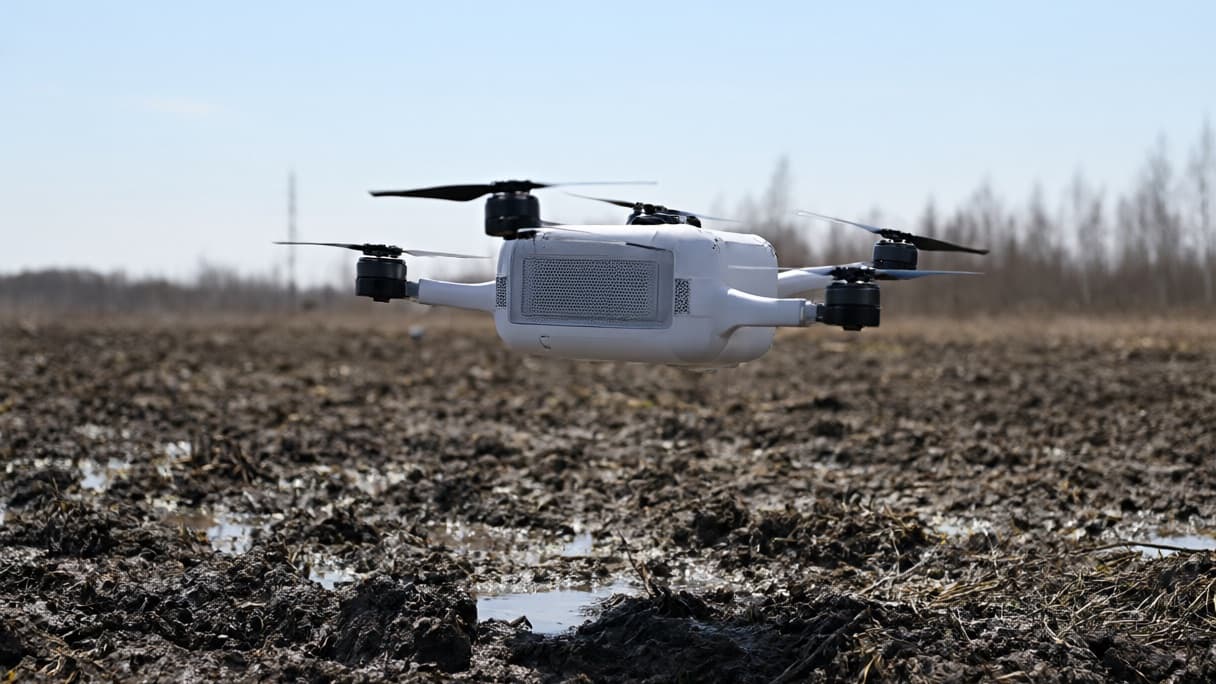
The Calgary biotech startup is using drone delivery to provide its NanoSALV Catalytic treatment to soldiers and civilians in active conflict zones.
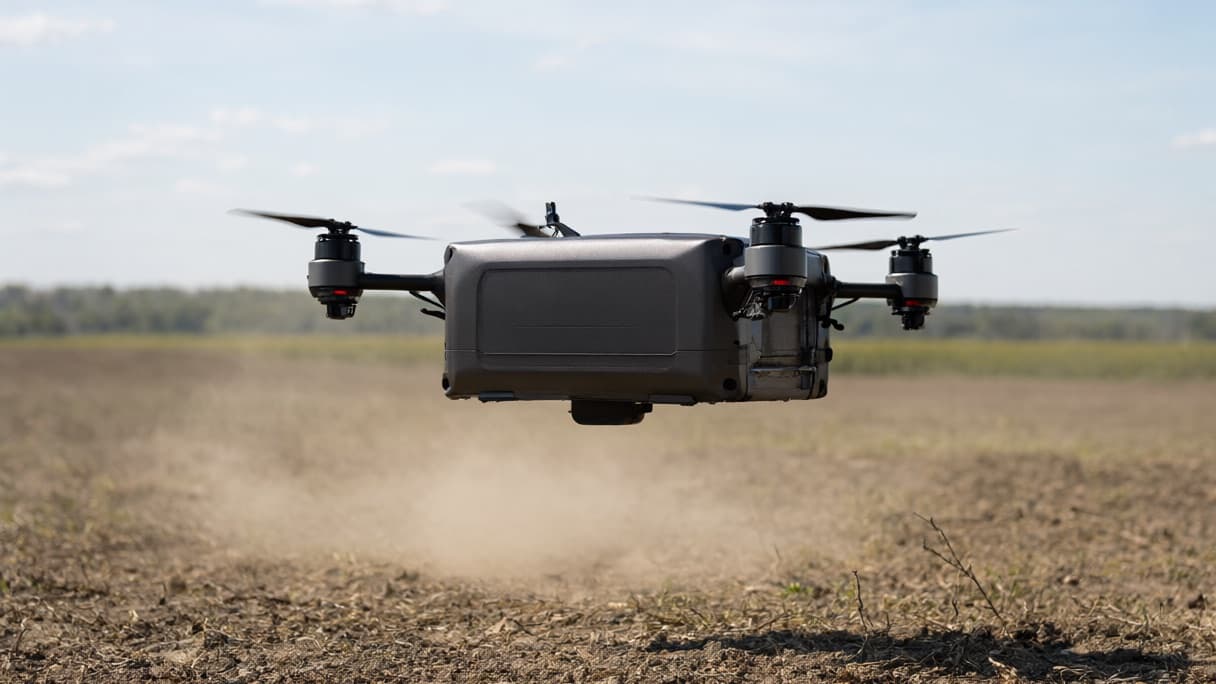
The Calgary biotech startup is using drone delivery to provide its NanoSALV Catalytic treatment to soldiers and civilians in active conflict zones.
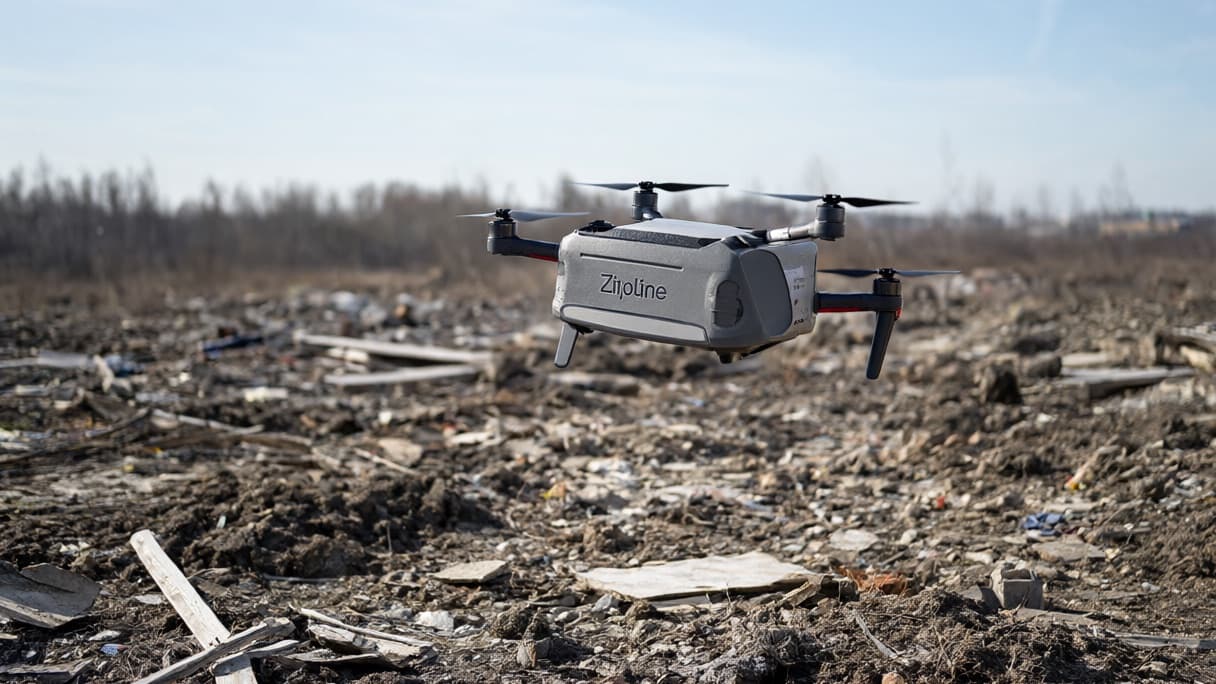
Opinion: While the delivery of NanoSALV to the front lines is a logistical feat for the Calgary biotech scene, the lack of transparent clinical data on field efficacy remains a concern.
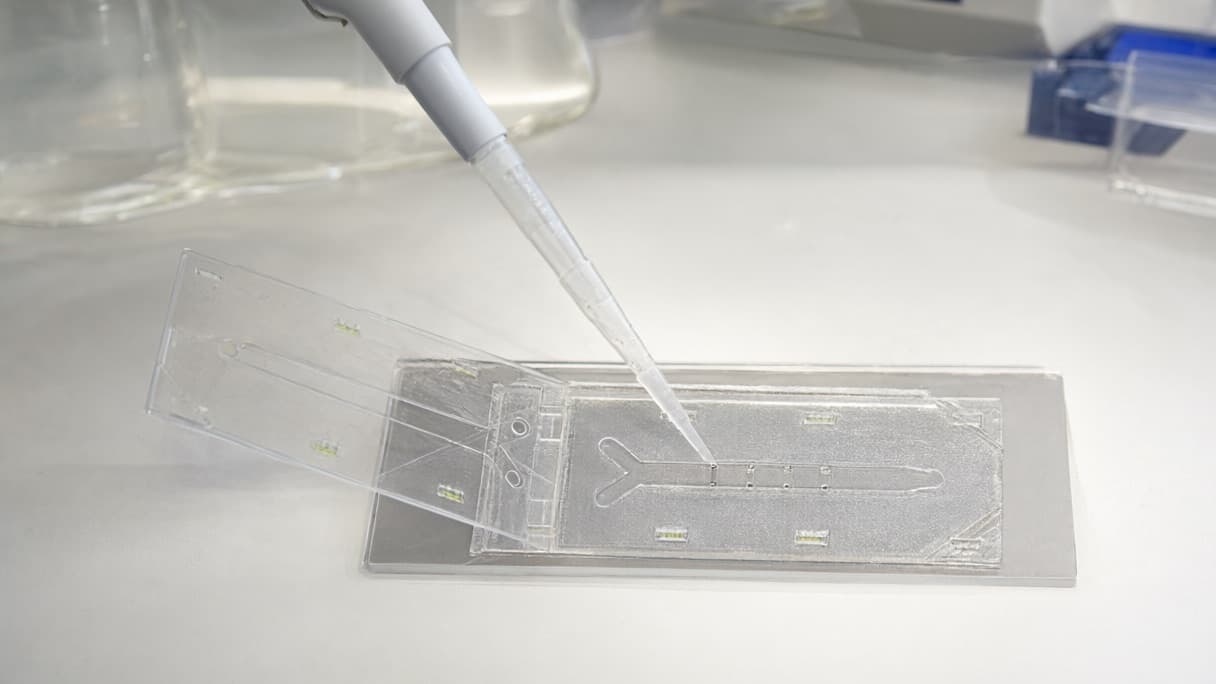
The startup secures $5 million USD to commercialize a chip-based gene editing platform that claims to slash cell and reagent requirements by 100x.
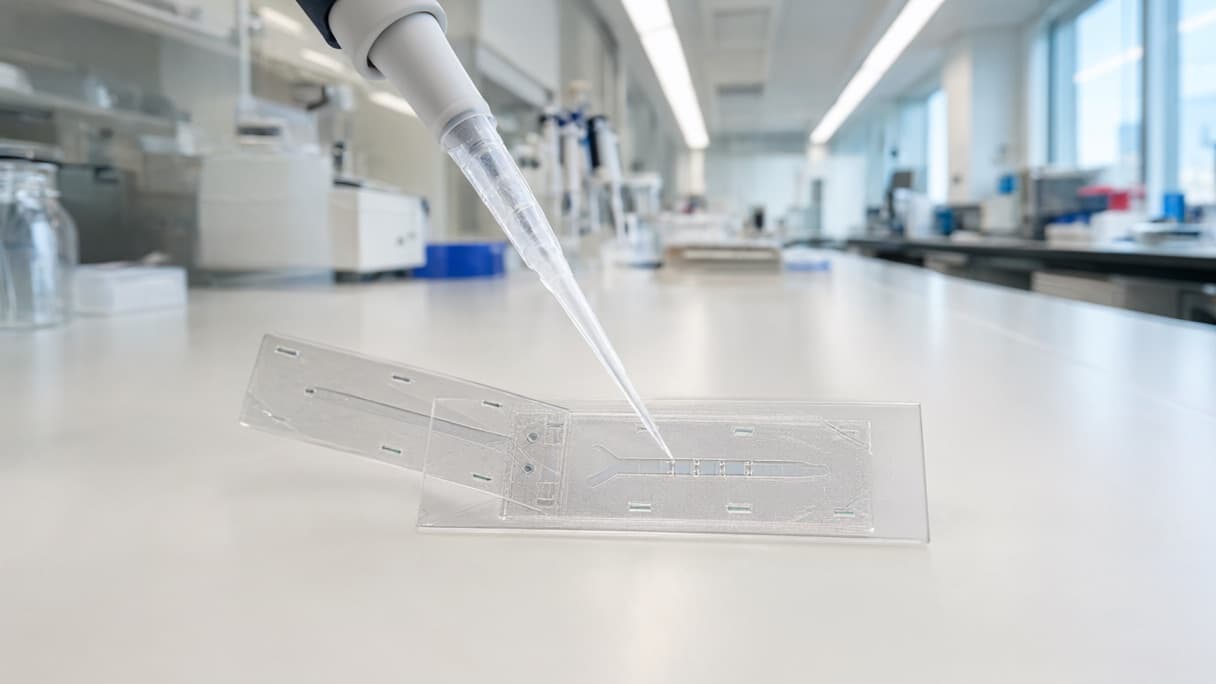
The biotech startup aims to reduce reagent costs and cell requirements by moving lab workflows onto miniaturized chips.
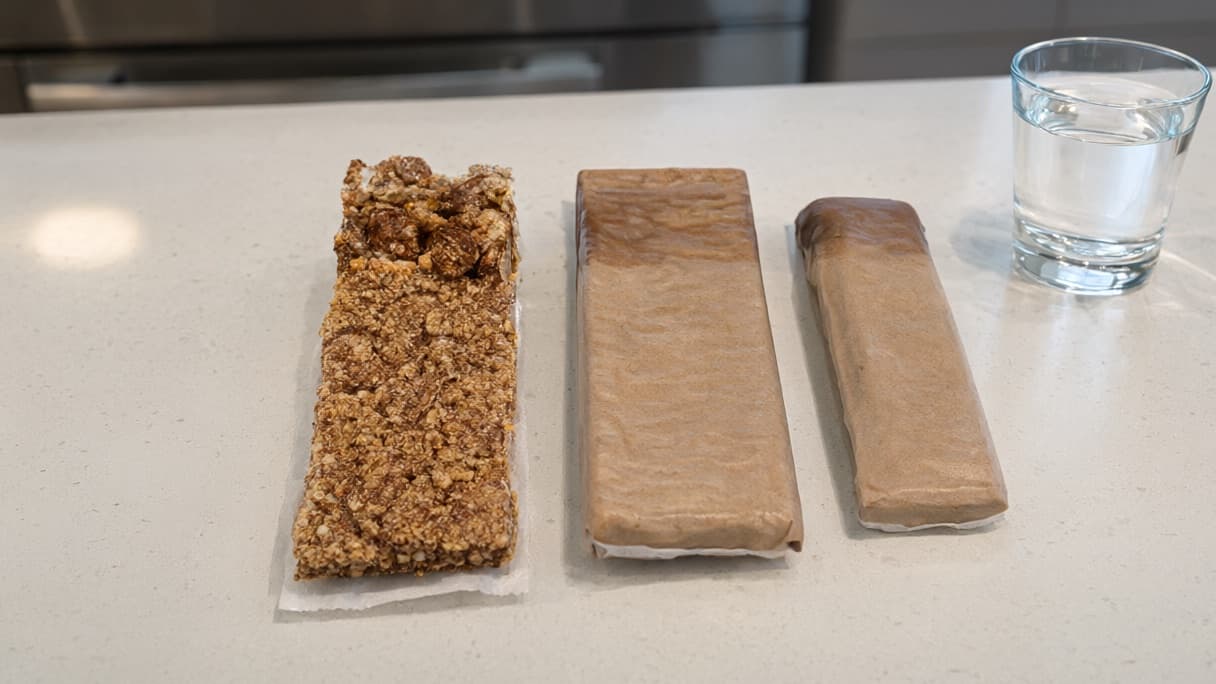
A new report from the flavors and fragrances giant identifies ten specific eating occasions to help manufacturers pivot as weight-loss drugs reshape food demand.
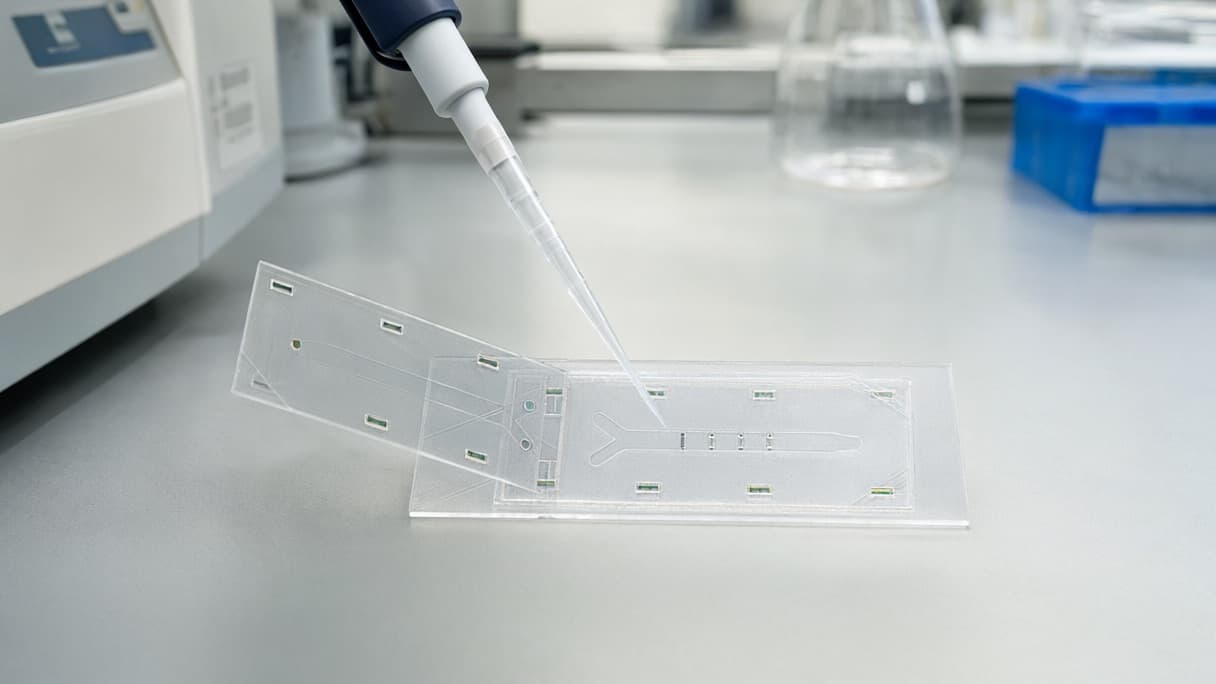
The Montreal-based startup claims its chip-based gene editing requires 100 times less material than traditional methods, but commercial viability hinges on moving from 'artisanal' lab work to automated service.
Opinion: While the Alberta-based startup's expansion into Ontario promises to recover lost revenue for doctors, the real test is whether AI-driven billing solves administrative pain or simply optimizes a broken system.
Opinion: The attack on Quest Diagnostics proves that centralized health data silos are a liability, prioritizing scale over security.
The acquisition of Orchestra Bio signals a push to integrate AI agents into the drug-discovery pipeline, but the real test remains the efficacy of the Rosalind model.
Oncolytics Biotech is betting on a randomized trial to validate early efficacy signals in a difficult-to-treat patient population.

The Québec-based startup aims to use an AI assistant to reduce unnecessary diagnostic tests and interventions, starting with a pilot in musculoskeletal care.
The Québec startup is deploying an AI assistant to help clinicians avoid unnecessary diagnostic tests and interventions.
The Québec-based startup aims to reduce low-value medical interventions through evidence-based clinical recommendations.
A Québec startup claims its AI assistant can slash unnecessary medical interventions and save millions, but the path from venture funding to clinical validation remains opaque.

The Québec-based startup aims to reduce low-value medical interventions, starting with a pilot program for musculoskeletal care.

Opinion: Lira Clinical is leveraging high-concept terminology like 'EXO-tech' to market its new boosters, but without peer-reviewed data, it's just expensive skincare in a tech costume.
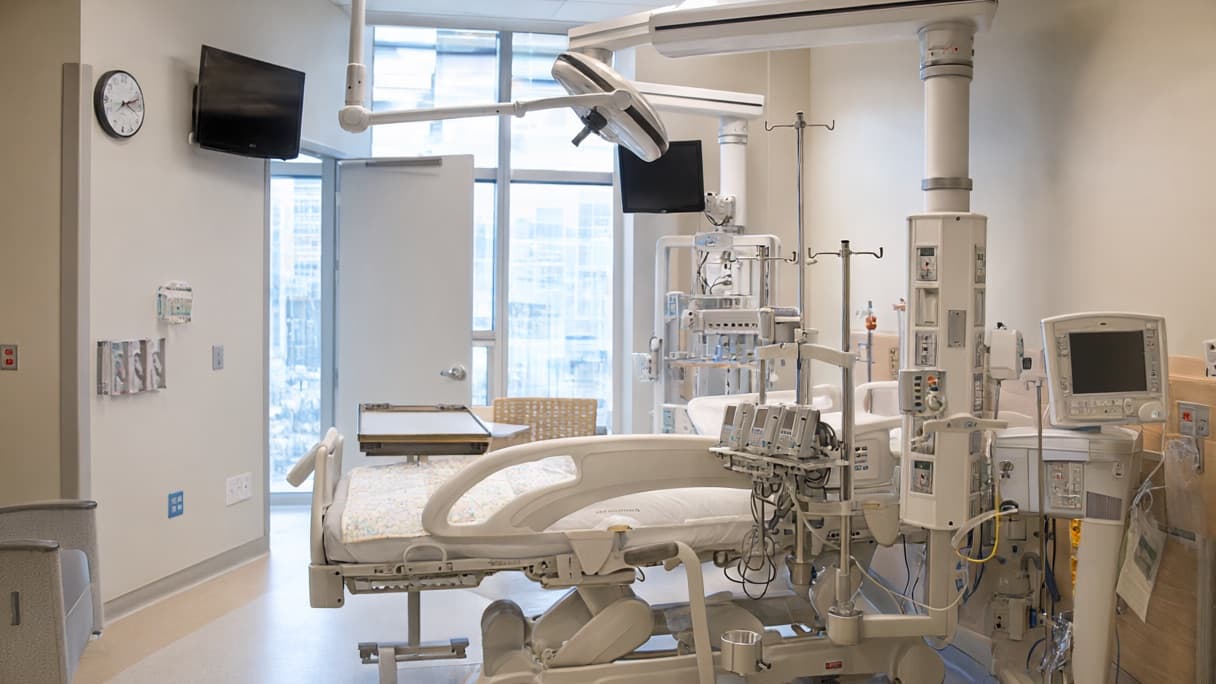
The startup is scaling its Efferon NEO device globally and preparing for FDA approval to combat childhood mortality.
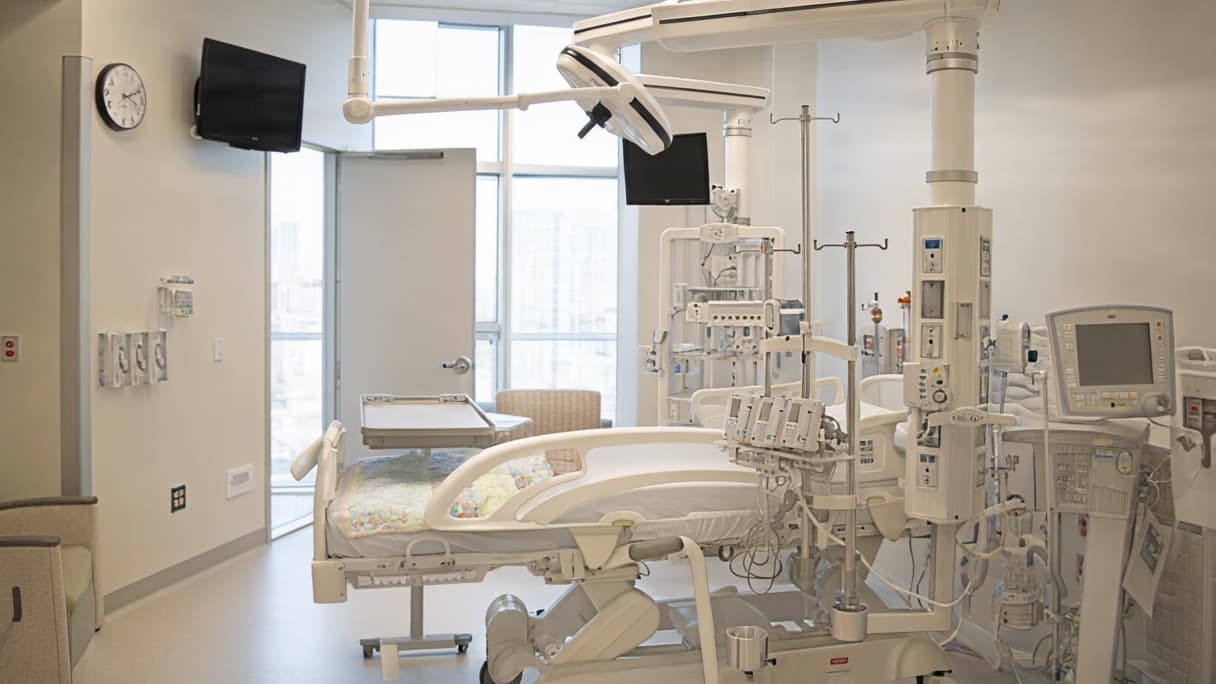
The startup is expanding its reach into 30 countries with a device designed to filter both endotoxins and cytokines in children.
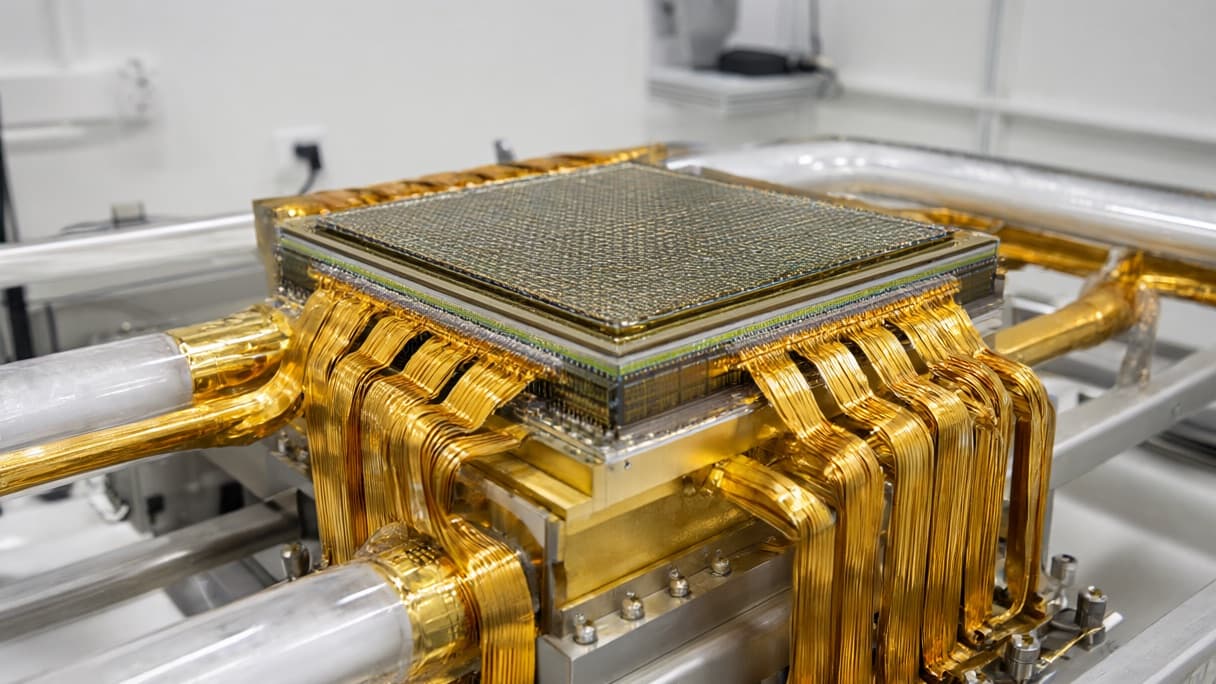
As quantum computing intersects with the AI boom, industry leaders suggest the path to commercialization will rely on solving specific problems rather than the 'ChatGPT moment' of mass software adoption.

OPINION: Well Health claims its new software entity is a move to reveal hidden value, but the overlapping leadership and closed-loop structure suggest a different motive.

The Swedish body-scanning startup, backed by Spotify co-founder David Ek, enters the U.S. market with a focus on preventative screening.
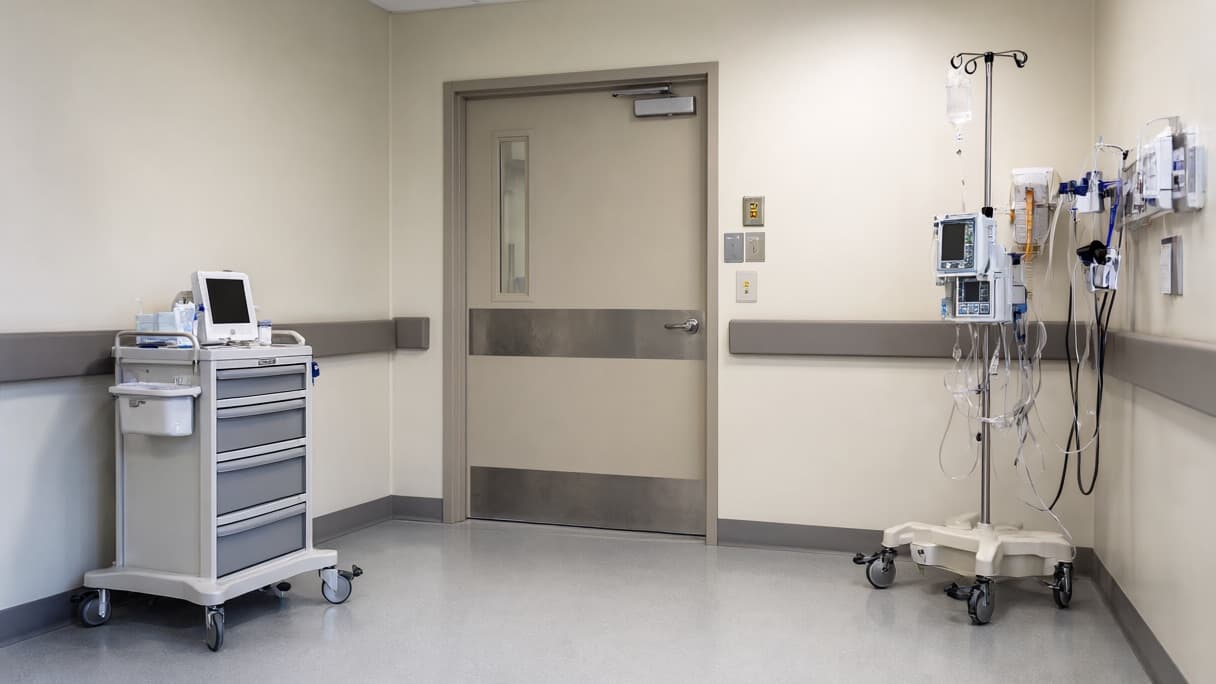
A regional drill using patient actors reveals that 40% of tested healthcare facilities failed basic isolation and masking protocols for potential pandemic threats.

Opinion: The decision by medical records giant Epic to halt product development to fix security flaws reveals a dangerous industry trend of prioritizing growth over patient safety.
With $700 million in funding, Daniel Ek's venture aims to redefine preventative screening, but the path from luxury tech to clinical standard remains unclear.

A viral security failure involving a leaked home address reveals a dangerous gap between Meta's promises of AI agency and the reality of its data handling.

The Toronto-based startup is deploying an AI-powered platform to enable generalist providers to deliver specialist-grade care for menopause and pelvic health.

Opinion: With a massive valuation jump and a Series E windfall, Enveda is betting that AI can unlock nature's secrets—but the real test is whether these candidates can survive clinical trials.

A federal probe into Comma.ai highlights the dangerous intersection of open-source software and autonomous vehicle control.

The funding supports 14 Canadian initiatives focused on cancer detection and precision medicine via a new data-sharing platform.

The Terry Fox Research Institute is betting big on AI-powered diagnostics, but the path from data-sharing platforms to clinical endpoints remains opaque.

A $25 million commitment aims to accelerate precision medicine through a new national data-sharing platform.

The Digital Health Innovation Fund promises to accelerate clinical care through 14 projects, but the real test lies in whether these 'AI-powered' tools can move beyond the buzzword to deliver tangible patient outcomes.

Opinion: When the U.S. Health Secretary headlines a conference featuring disgraced figures like Andrew Wakefield, the risk to public health is no longer theoretical—it is systemic.
The Montréal startup claims a privacy-first alternative to frontier AI, but its 'expert' library relies on content creators rather than clinical peer review.

The Montréal startup claims to bypass the data-harvesting model of Big Tech by training AI on 'expert' content, yet the definition of expertise remains fluid.
Opinion: By training chatbots on podcasts and unpublished works rather than clinical data, Onix risks replacing medical rigor with the illusion of expertise.
The Montréal-based startup uses a localized data model to offer AI versions of wellness practitioners while prioritizing user privacy.

S&P Global Ratings elevates Teva to BBB-, but the long-term question remains whether 'financial discipline' is fueling a sustainable innovation pipeline.

By overriding state health determinations to exclude two pediatric deaths, the CDC is undermining the data integrity essential for tracking outbreaks and vaccine efficacy.
The move to import patient data into ChatGPT Health promises efficiency for clinicians, but safety concerns and a lack of diagnostic validation leave the tool in a precarious position.

Vijay Pande has traded a $4 billion a16z portfolio for a lean, AI-driven venture firm. The question is whether his 'engineering' thesis is a genuine evolution of biotech or a tactical response to a cooled market.

Opinion: By trading a $4 billion portfolio for a lean, AI-native model, Vijay Pande is arguing that sheer capital volume is no longer the primary lever for biotech success.

As trade tensions with the U.S. mount and hardware costs climb, Canadian startups face a precarious double-squeeze on compute infrastructure.
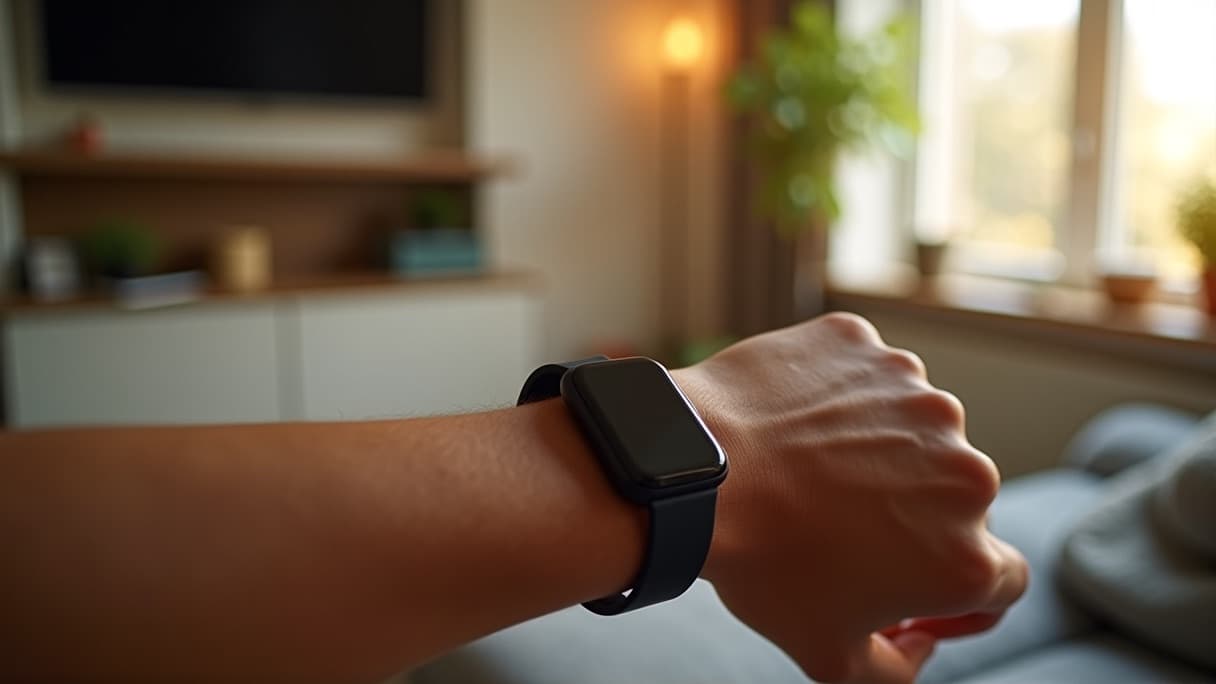
The LTE-enabled wearable aims to reduce the burden on family caregivers through voice logging and automated health pattern tracking.
The 2026 conference in Toronto gathers global leaders to discuss the transition of quantum computing from theoretical science to commercial application.

The Enhanced Group's Q2 earnings reveal a commercial failure for the performance-enhancing sports event, prompting a potential pivot to lower-cost digital content.
New projects in British Columbia aim to transition genetic research into clinical practice through affordable testing and personalized nutrition.

As Daniel Ek's startup expands into the U.S., the line between clinical diagnostic leaps and luxury wellness experiences continues to blur.
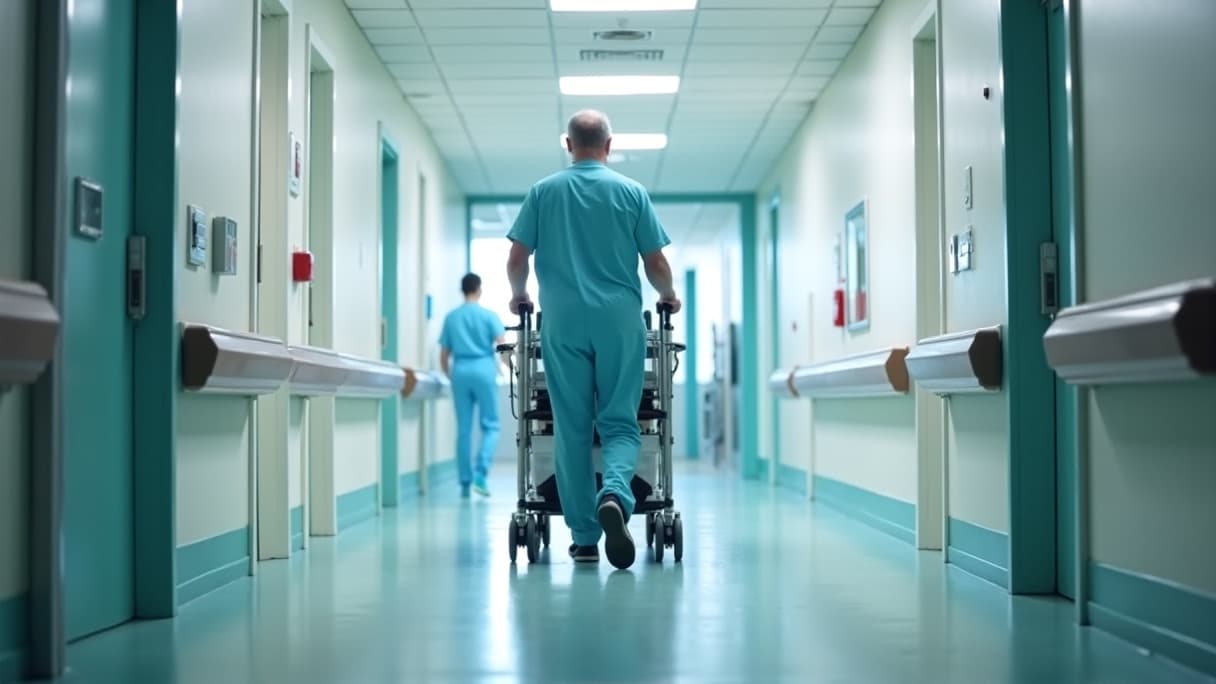
Toronto-based motion-capture firm Theia is providing the biomechanical data needed to determine if DHG Denmark's Vendlet device actually reduces healthcare worker injuries.

A new study in New Brunswick uses markerless 3D biomechanical data to test whether the Vendlet patient-turnover device actually reduces caregiver injury risk.
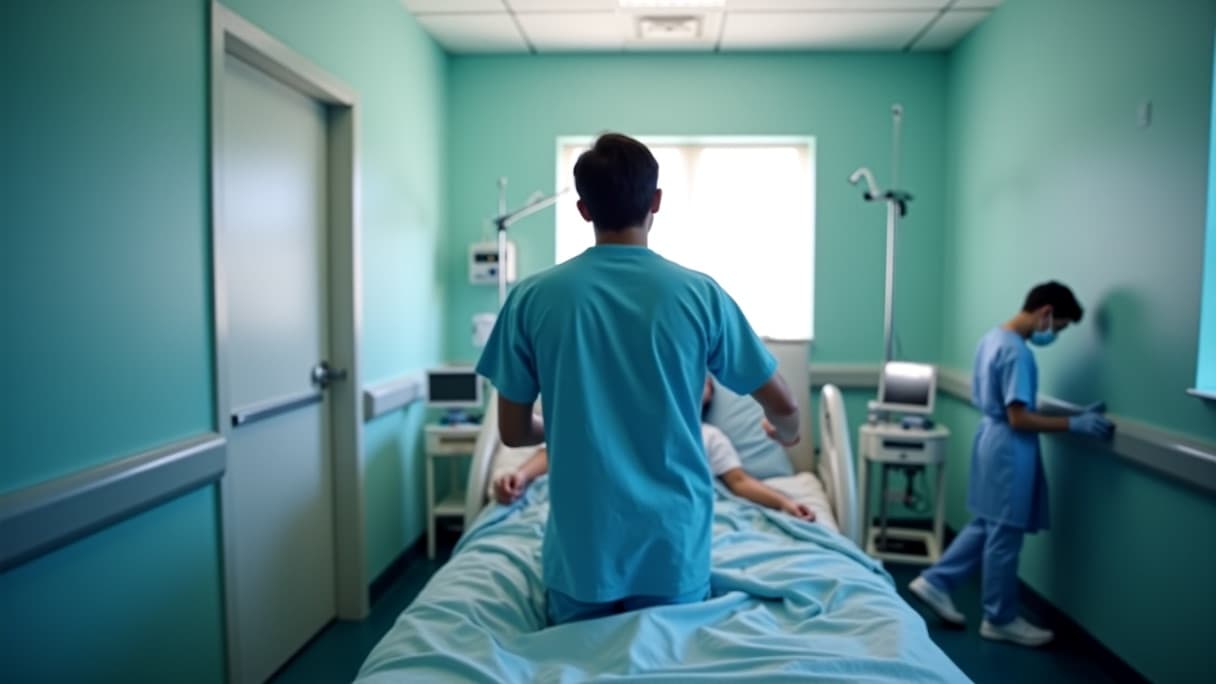
The Toronto-based company is partnering with New Brunswick researchers to evaluate the physical impact of a patient-turnover device.

A fraud lawsuit alleging a non-existent app and broken promises reveals the precarious intersection of celebrity brand equity and mental health tech.
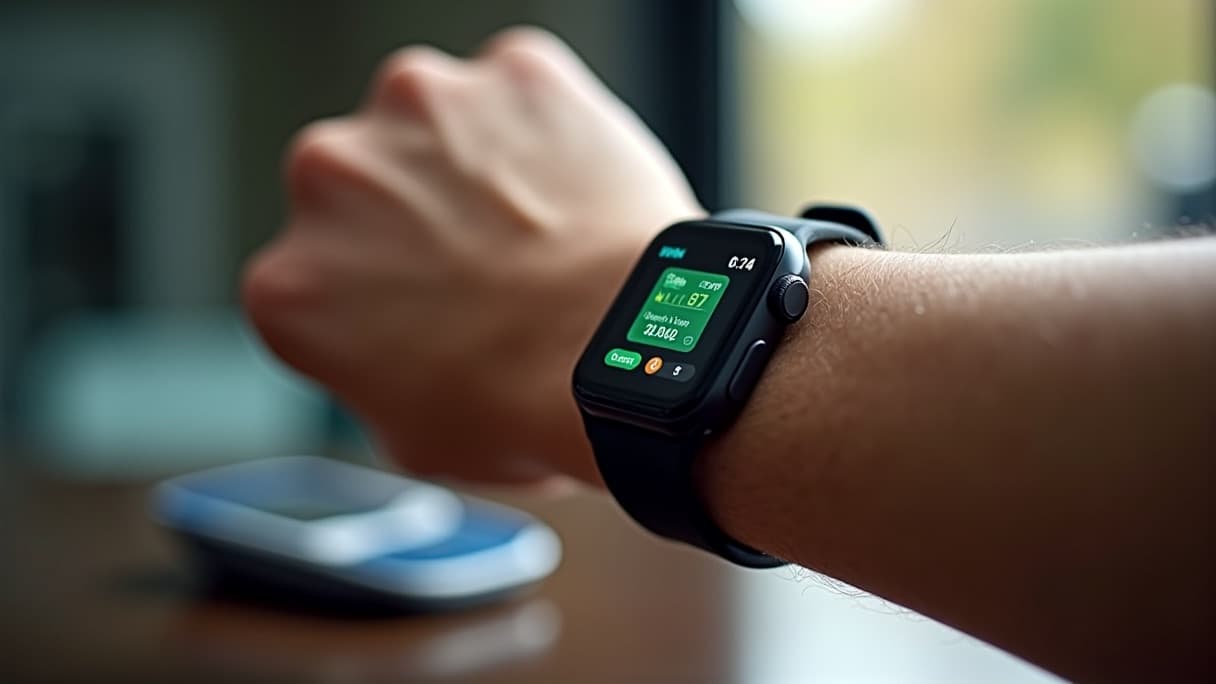
Opinion: The Pixel Watch 5 promises a leap in metabolic monitoring, but without peer-reviewed validation, it is just expensive wellness vaporware.
A public prediction record for Grace Sullivan’s calls is coming soon.