
The Cloud Trap: Altman's War on Local Memory

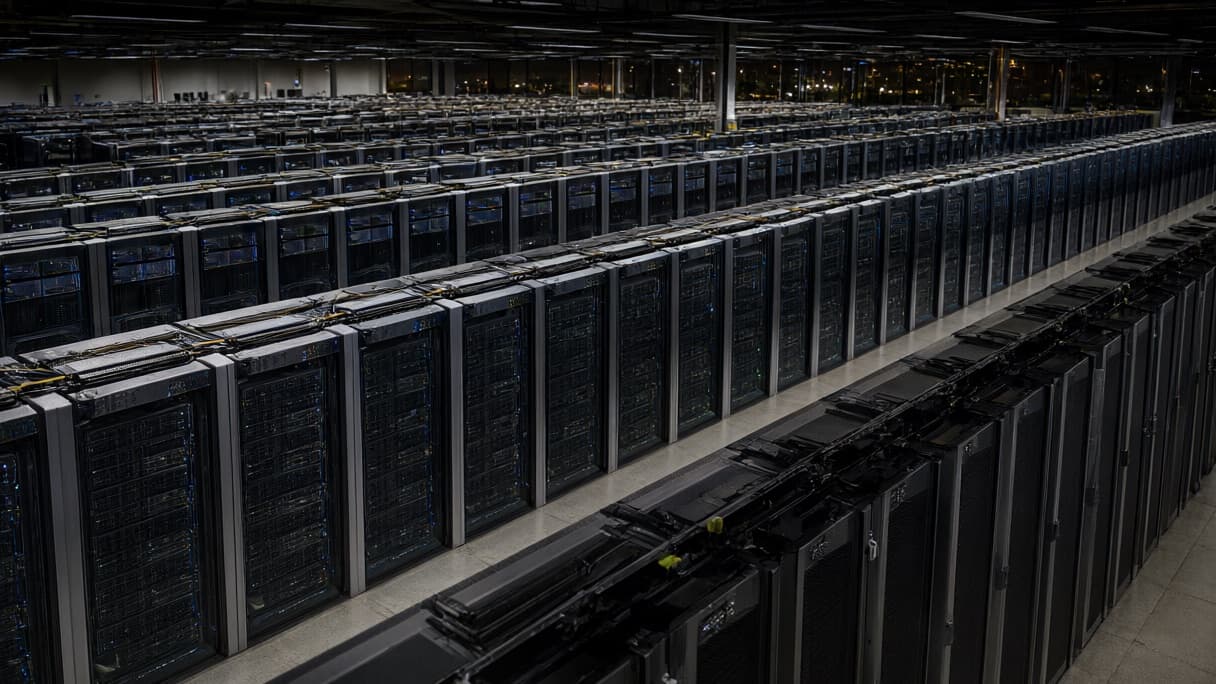
AI-generated image · Bay Street Wire
OpenAI's CEO claims shifting RAM from desktops to data centers is about 'global allocation,' but the move smells like a strategic play for total user dependency.
OPINION: Sam Altman is selling a vision of efficiency, but he is actually describing a hostage situation.
In a recent appearance on the Cheeky Pint podcast, OpenAI CEO Sam Altman addressed the global RAM shortage with a proposition that should make every PC owner uneasy. As first reported by The Verge, Altman argued that it is "terrible" for the world's limited supply of DRAM to be sitting in personal computers, where he claims it is used only five percent of the time. His proposed solution is to prioritize the use of memory within cloud infrastructure.
Altman's argument is framed as a matter of "global allocation." He suggests that the intuition of those wanting local inference—the ability to run AI models on their own hardware—is misplaced. By stripping the memory from the edge and concentrating it in data centers, Altman claims we can better manage a supply-constrained environment.
Let's call this what it is: a calculated effort to kill the possibility of AI independence.
If the hardware required to run these models is stripped from the consumer's desk and locked in a server farm, the user no longer owns the means of production. They don't just lose a piece of silicon; they lose the ability to run open-source models locally. When the "limited supply" of RAM is consolidated in the cloud, the only way to access AI is through a subscription pipe controlled by the people who own the servers.
This isn't a theoretical shift; it is already happening. The Verge reports that memory giants Samsung and SK Hynix have entered long-term deals with cloud operators and massive projects like OpenAI's Stargate, effectively reserving a huge portion of the world's RAM output for the coming years. The cost of this consolidation is being borne by the consumer. As these companies lay out billions for chips, the prices of phones, laptops, and other consumer tech are climbing.
Samsung expects the RAM shortage to persist until at least 2028, while SK Hynix suggests the shortage could last through 2030. In this environment, Altman isn't just solving a supply chain problem—he is ensuring that the hardware gap becomes an impassable moat.
By framing local memory as a waste of resources, Altman is attempting to delegitimize the very hardware that would allow users to escape the OpenAI ecosystem. If you can't run the model on your own desk, you have no choice but to pay the monthly rent to the cloud lords. The "efficiency" Altman is chasing isn't for the benefit of the user; it's for the benefit of the balance sheet.