
COP31's AI Climate Pledge Lacks Teeth

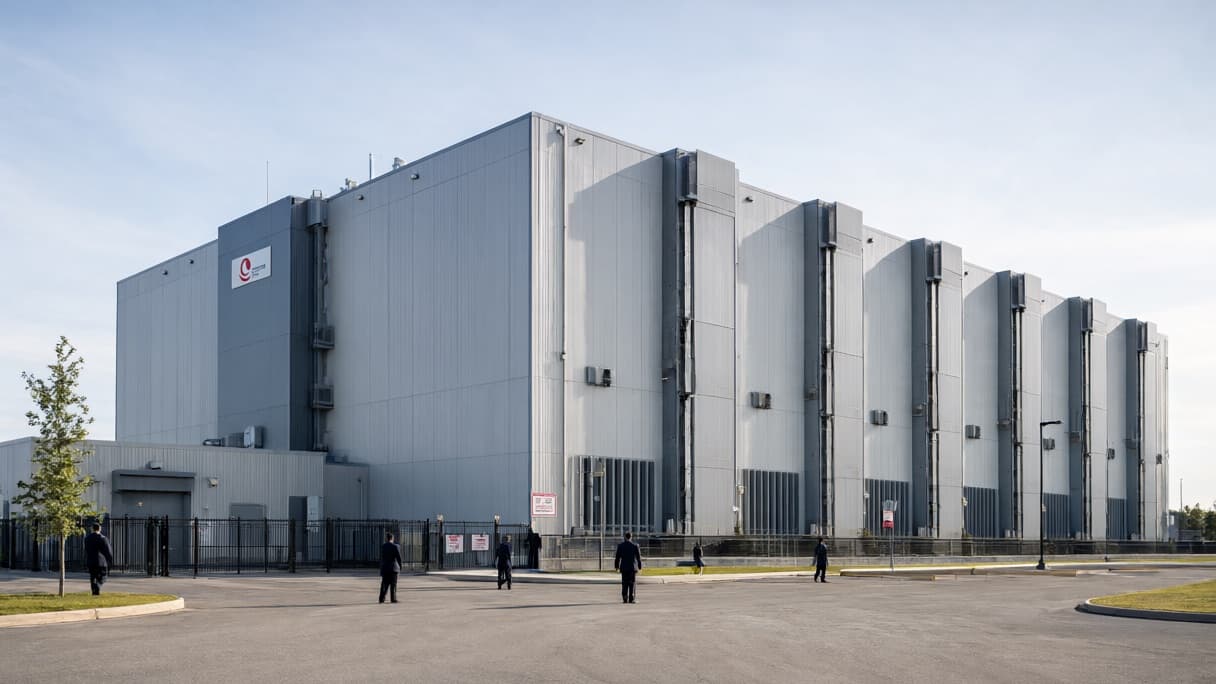
AI-generated image · Bay Street Wire
Turkey's proposed framework for AI data centers offers voluntary goals without binding obligations as the industry's energy appetite grows.
At the COP31 United Nations climate summit in Antalya, Turkey, a new proposal titled the Antalya Artificial Intelligence Pledge aims to address the environmental toll of energy-intensive AI data centers, as first reported by The Verge. The pledge seeks to increase the use of clean energy for data centers, establish international standards for responsible AI development, and implement reporting requirements to increase transparency regarding the environmental impact of facilities that currently run primarily on fossil fuels. The framework also addresses the management of e-waste resulting from the generative AI surge.
Despite these goals, The Verge reports that the pledge is non-binding. The text explicitly states that the objectives are "voluntary and non-prescriptive," creating no new obligations and allowing implementation based on "national circumstances."
Further complicating the effort is the absence of the United States, which possesses more data centers than any other nation; The Verge notes that Donald Trump has withdrawn the U.S. from the global climate accord, leaving the country without official delegates at the Turkey summit.
While the pledge suggests using generative AI to expand renewable energy and lower emissions in developing nations, The Verge cites August research from a Nature journal indicating that AI actually generates more carbon emissions by increasing fossil fuel production than it prevents through renewable energy gains.