
The Infrastructure Wall: Public Rejection of Data Centers Signals a Reckoning for the AI Gold Rush

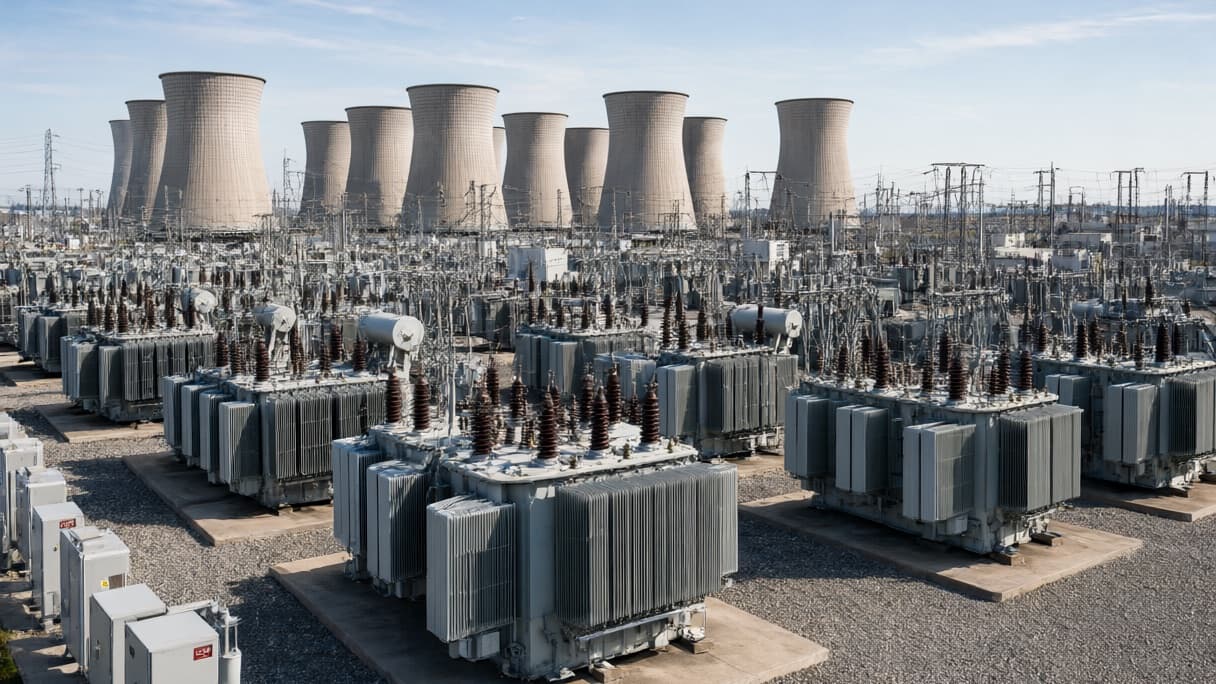
AI-generated image · Bay Street Wire
With voters overwhelmingly backing restrictions in 40 of 41 ballot measures, the tech giants' appetite for expansion is colliding with a surge of community resistance.
### Opinion: The Limits of Corporate Influence
For years, the architects of the artificial intelligence boom assumed that the physical requirements of their digital ambitions—massive tracts of land and immense power loads—would be a mere formality of scaling. But as TechCrunch first reported, the results of the recent U.S. midterm elections have delivered a jarring reality check. The public is no longer willing to overlook the local costs of the AI gold rush.
### A Landslide of Resistance
The electoral rejection was systemic. According to TechCrunch, the midterm elections featured 41 ballot measures specifically related to data centers; in 40 of those measures, voters chose to impose more restrictions on development. This suggests a broad-based coalition prioritizing local regulation over the rapid deployment of AI infrastructure.
### The Political Shift
The electoral map has shifted further. TechCrunch reports that historic Democratic victories in the midterms resulted in the election of new governors and members of Congress likely to support additional regulation of the sector. Even where data centers were not explicitly on the ballot, the issue emerged as a major talking point.
### The Rebranding Gambit
Industry leaders are already attempting to pivot. TechCrunch notes that OpenAI is already attempting to rebrand data centers, likely to distance the physical infrastructure from negative connotations. However, rebranding is a cosmetic fix; these facilities still require the same land, water, and staggering amounts of electricity.
The midterms have proven that the community is the ultimate gatekeeper. If the AI gold rush is to continue, it can no longer be fueled by the assumption that the public will simply step aside.