
The High Cost of Independence: How the 'Single Tax' is Pricing Torontonians Out of Their Own Lives

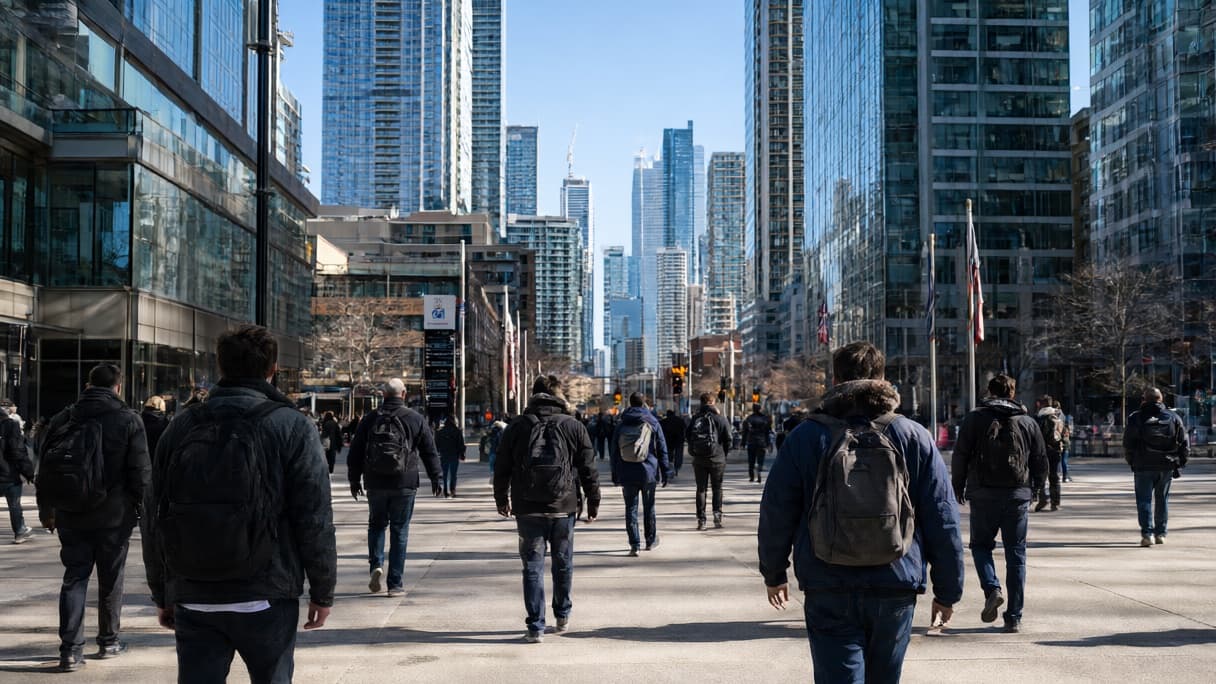
AI-generated image · Bay Street Wire
As one-person households surge in Toronto, a systemic gap in government support and a brutal cost-of-living squeeze are turning independent living into an unattainable luxury.
For many Torontonians, the dream of a private sanctuary is colliding with a harsh economic reality. It is a phenomenon that economists and researchers have dubbed the “single tax.”
As CBC Toronto first reported, the number of one-person households in Canada more than doubled between 1981 and 2021. In Toronto specifically, 2021 census data reveals that one-person households represented 25 per cent of all private households. Yet, as the cost of living climbs, those navigating the city solo are finding themselves in an affordability gap that is as wide as it is overlooked.
### The Math of Isolation
The "single tax" refers to the systemic inefficiency of paying for a life that cannot be split. To quantify this, the Wellesley Institute conducted research in 2024 finding that a single person under the age of 45 needs approximately $61,654 per year after tax to live a healthy and meaningful life in Toronto. To achieve this, a worker would need a gross annual salary of roughly $82,000.
This stands in stark contrast to the 2021 census, which recorded the median income for one-person households in Toronto at just $45,200.
### Breaking Down the Monthly Burn
Based on data cited by CBC Toronto, the baseline monthly costs for a single person in the city are staggering:
* **Rent:** A one-bedroom apartment averages approximately $2,273 per month, according to the Toronto Regional Real Estate Board. * **Groceries:** Canada's Food Price Report 2026 estimates a monthly cost of approximately $360. * **Utilities:** Real estate agents interviewed by CBC Toronto recommend budgeting approximately $150 per month.
These essentials total $2,783 per month. For a resident earning the 2021 median income, the estimated monthly take-home pay is around $3,057, leaving a mere $274 for internet, transit, clothing, and other expenses.
Kwame McKenzie, CEO of the Wellesley Institute, professor at the University of Toronto, and director of health equity at the Centre for Addiction and Mental Health (CAMH), notes that while rental costs may have eased, these gains are offset by spikes in food, utilities, and student debt carrying costs.
### A Safety Net with Holes
The financial strain is manifesting in a surge of single adults relying on emergency food services. According to the HungerCount 2026 report from Food Banks Canada, one-person households now represent the largest group using food banks nationwide, making up 44.1 per cent of all usage.
Richard Matern, director of research at Food Banks Canada, tells CBC Toronto that while families and seniors have specialized income benefits, working-age single adults lack equivalent supports during job losses or inflation.
### The Policy Blind Spot
Kwame McKenzie argues that government strategies have historically been designed around the family unit, leaving single people to "drop off the map." To address this, McKenzie suggests tax reforms targeting single individuals between 18 and 40, including further rent controls and student debt repayment structures that scale according to income.