
The Feedback Loop: Nvidia's Risky Bet on Nscale

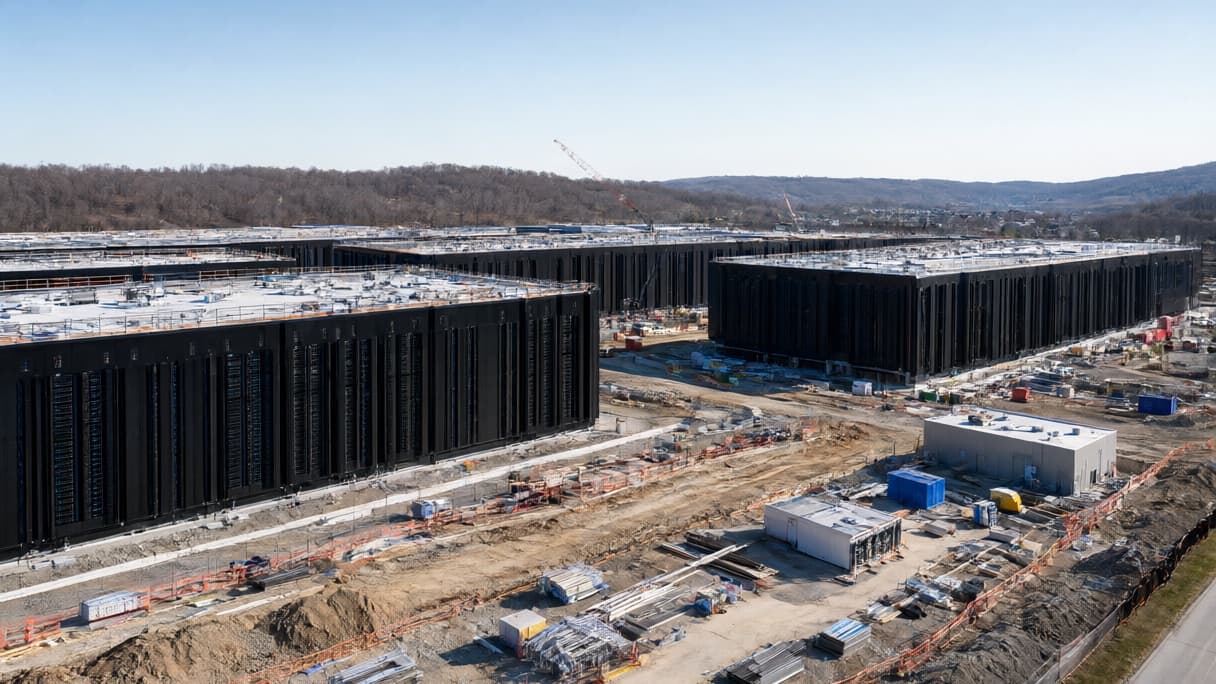
AI-generated image · Bay Street Wire
By cosigning construction debt for its own customers, the chip giant is no longer just selling hardware—it's underwriting the AI bubble.
From a practitioner's perspective, the AI buildout has always looked like a high-stakes game of musical chairs. But the latest reports suggest the music is slowing down, and Nvidia is stepping in to pay the band.
According to reporting from The Information and Bloomberg, as TechCrunch first reported, Nvidia is in discussions to guarantee billions in debt financing for Nscale, an AI cloud provider. This isn't just another chip deal; it's a move into the realm of construction guarantees. The funding is intended to help Nscale secure the electricity and construction costs for a data center campus in West Virginia.
**Opinion: The House of Cards**
In my view, this creates a dangerous feedback loop. When a chipmaker begins cosigning the loans of the companies buying its chips, it is no longer operating as a supplier—it is acting as a lender of last resort for its own revenue stream. This signals that the AI spend is becoming a house of cards, where the viability of the customer depends entirely on the benevolence of the vendor. If the end-users of this compute cannot secure traditional financing, it suggests the market's confidence in the ROI of these massive clusters is cratering.
**The Mechanism of the Deal**
The proposed arrangement is a "residual value guarantee," The Information reports. If Nscale were to default on its construction payments, Nvidia would step in under this framework. The chipmaker would then temporarily take over the facility and attempt to find a new tenant and buyer. While Nvidia has previously provided support for chip purchases and leases, TechCrunch notes that extending this to construction is a significant escalation.
**High Stakes, Low Stability**
The volatility of the partners involved makes this gamble particularly acute. Nscale is seeking an IPO at a valuation of up to $35 billion, yet it has struggled to execute. While it plans to deploy nearly 500,000 advanced AI chips, it only had about 25,000 running as of August. Furthermore, the West Virginia project has faced operational hurdles, including construction runoff that flooded nearby homes, and Microsoft recently pulled out of a planned Nscale site in England due to power grid delays extending into the 2030s.
Then there is the anchor tenant: Anthropic. Nscale's IPO filing shows Anthropic signed a $44.6 billion contract for the first 460-megawatt building, which will utilize Nvidia's next-generation Vera Rubin chips. The two companies are discussing a second deal worth approximately $45 billion. However, Anthropic's own financial stability is in question. Blackstone has alerted investors that following its IPO, Anthropic could be hit with a below-investment-grade credit rating, a move that would drive up borrowing costs and force the firm to rely on more stable partners to support its debt.
**The Bigger Picture**
Nvidia is already deeply embedded in the finances of its customers. The Information reports that the chipmaker has extended roughly $170 billion in credit support and investments to large customers and "neoclouds"—providers that rent AI compute without a diversified core business. This sum includes a $1 billion commitment in convertible financing provided to Nscale in September.
As CNBC reported, the market is already reacting to the fragility of this model. In October, shares of IREN, Nebius, and CoreWeave each fell by more than 30%. By guaranteeing Nscale's debt, Nvidia is betting that the AI revolution is too big to fail—and that it can afford to be the one holding the bag if the construction stops.