
The Cruel Theft of Sanctuary: Why the Arson at Joyce Kope House is More Than a Police Report

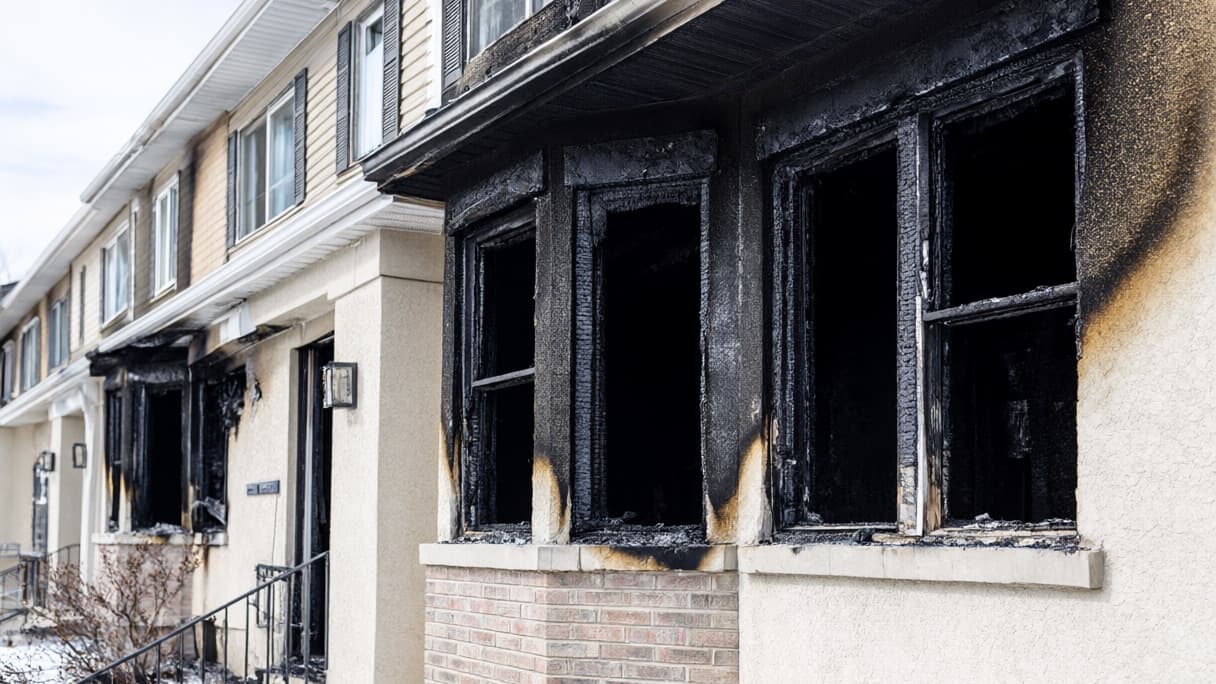
AI-generated image · Bay Street Wire
Opinion: When a deliberate act of violence destroys a women's shelter, it doesn't just burn down a building—it dismantles the fragile safety net for dozens of women in crisis.
In the cold language of a police report, the event is categorized as a crime scene: a fire, a suspect, and a set of charges. As CBC Toronto first reported, a 44-year-old woman has been charged with arson and failing to comply with a probation order following a blaze on Sunday morning at a women's shelter on Maple Avenue in Barrie, Ont. But for the more than 40 people forced to flee their home, this is not a matter of legal filings. It is a catastrophe of displacement.
As a columnist covering the human interest stories that often get buried under the weight of official statements, I find it impossible to view the destruction of Joyce Kope House as a simple arson case. When we talk about a shelter, we are not talking about a mere facility or a piece of real estate. We are talking about a sanctuary. As the Elizabeth Fry Society Simcoe Muskoka explained in a Facebook post, Joyce Kope House serves as an emergency shelter and transition home that provides stability, safety, and hope to hundreds of women facing homelessness and crisis every year.
For the women who lived there, the building was the physical manifestation of their attempt to rebuild. The Elizabeth Fry Society noted that for many, the house is a place to heal and begin again. To have that sanctuary targeted by a deliberate act of violence is a psychological blow that far outweighs the physical damage to the structure. While the Elizabeth Fry Society described the damage as "heartbreaking," the true heartbreak lies in the sudden erasure of the only safe space these women had.
According to CBC Toronto, four individuals were taken to the hospital with injuries that are not life-threatening. While we can be grateful that no lives were lost, the trauma of fleeing a fire in the middle of the night—knowing that the place meant to protect you has become a source of danger—is a wound that doesn't show up in a medical report.
Now, dozens of women are displaced. They are no longer in a place of stability; they are in a state of temporary relocation. The urgency of this crisis is evident in the plea from the Elizabeth Fry Society, which is calling for immediate donations of winter gear, women's clothing, and personal hygiene supplies. The fact that these basic necessities are now the primary concern underscores how fragile the safety net is. When a shelter burns, the residents don't just lose a roof; they lose their belongings, their privacy, and their sense of security.
We must ask ourselves what it means for a community when the very place designed to protect the most vulnerable is targeted. The Elizabeth Fry Society highlighted that the women served by Joyce Kope House often face "unimagined challenges." For someone escaping crisis, the shelter is the bridge between a precarious past and a stable future. By burning that bridge, the perpetrator has not just damaged a building; she has attempted to derail the recovery of dozens of women.
As the community rallies to provide monetary donations for repairs and immediate needs, we should recognize that the recovery of Joyce Kope House will take longer than the drying of charred walls. The physical structure can be rebuilt, but the feeling of absolute safety is much harder to restore.
This is the reality of the human cost behind the headlines. The 44-year-old suspect will face the justice system, but the women of Joyce Kope House are left to navigate a world that suddenly feels much colder and more dangerous. They deserve more than just temporary relocation; they deserve a community that recognizes the sanctity of their refuge and works tirelessly to ensure that their path to healing is not permanently blocked by an act of malice.