
The AI Gold Rush is Hitting a Physical Wall

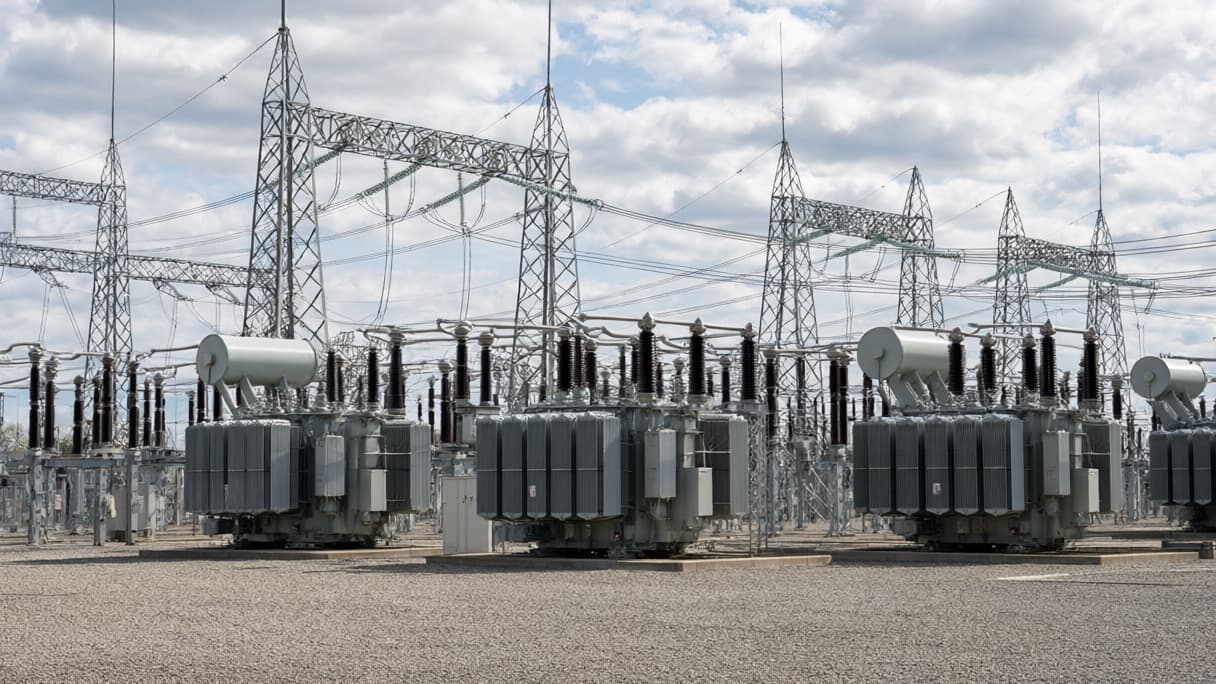
AI-generated image · Bay Street Wire
Opinion: While the industry obsesses over software, the real battle for AI supremacy will be won or lost in the brutal bottlenecks of power grids, thermal limits, and public outrage.
For the last few years, the narrative surrounding artificial intelligence has been one of ethereal software breakthroughs. But as reported by The Verge, the AI boom is increasingly a physical infrastructure story, witnessing a collision between the infinite ambitions of tech giants and the finite reality of the Earth's power grids.
In my view, the industry has reached a critical inflection point. The primary constraint on scaling is no longer the elegance of the code, but the availability of electricity and the tolerance of the communities hosting these energy-hungry warehouses.
The scale of the demand is staggering. AMD CEO Lisa Su recently told Yahoo Finance that AMD is now a "data center first company," projecting that its data center business will grow 50 percent from Q3 to Q4. But this expansion is sparking global conflicts over utility bills and environmental degradation. The 2026 midterms serve as a warning: data centers lost the election. According to NBC News polling, 76 percent of voters opposed data centers in their own communities.
This is a systemic rejection of the growth model. In Texas, Governor-elect Gina Hinojosa, and in Michigan, Senator-elect Abdul El-Sayed, both support moratoriums on development. In Maine, the state nearly paused development before a gubernatorial veto, in a tech-fueled race that saw Republican Susan Collins concede her Senate seat.
Developers' use of non-disclosure agreements (NDAs) has backfired. The Guardian reported on a secretive $1.6 billion project in Wisconsin that was scuttled, and The Verge notes that San Diego delayed a project after residents—including some using aliases like Elmo and Lord Farquaad—addressed the City Council.
In response, OpenAI and Amazon are pivoting. Amazon announced in October it would stop using NDAs with government agencies, and OpenAI recently committed to ending their use with public officials. Meanwhile, a bipartisan permitting bill is advancing through a lame-duck Congress to speed up energy projects, though critics fear it limits environmental reviews and community oversight.
The bottleneck is no longer just the chip; it is the transformer, the cooling tower, and the voter. If the industry cannot scale sustainably and transparently, the physical wall will stop them entirely.