
Squeezing the State: Ontario's New Jail Standards Treat Inmates Like Livestock

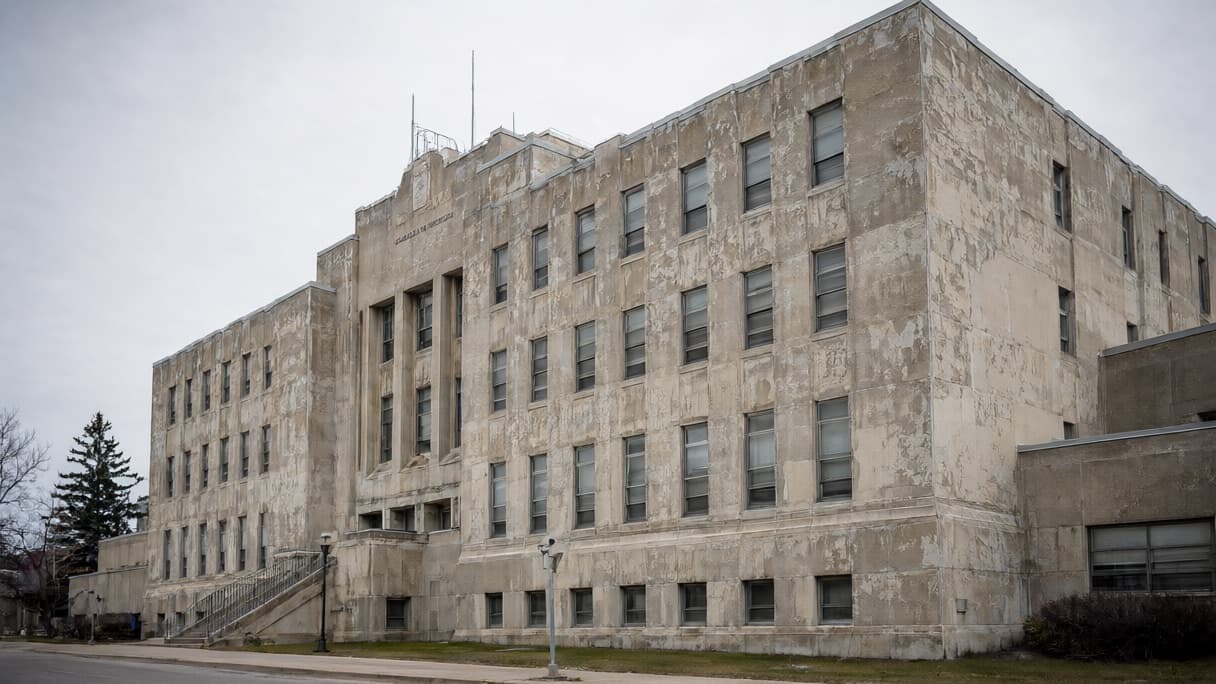
AI-generated image · Bay Street Wire
By removing minimum sleeping area requirements, the Ministry of Municipal Affairs and Housing is trading human dignity for capacity—a gamble that invites inevitable litigation.
**OPINION**
When a government decides that the physical space allocated to a human being is no longer worth regulating, it stops managing a justice system and starts managing livestock.
As CBC Toronto first reported, the Ministry of Municipal Affairs and Housing amended the Ontario Building Code last month to scrap the minimum sleeping area requirement for provincial adult correctional institutions. Until now, the standard mandated at least 4.7 square metres of sleeping area per person. By deleting this requirement, the province has effectively signaled that the dignity of the incarcerated is secondary to the efficiency of the floor plan.
According to reporting from CBC Toronto, the province justifies this regression as a means to "strengthen the bail system and keep dangerous offenders behind bars." Oleksandr Shvets, a spokesperson for the Solicitor General of Ontario, told CBC News that the move is intended to optimize space to support the creation of more than 2,500 permanent jail spaces over the next decade. Shvets argued that the previous 4.7 square metre rule would prevent the installation of top bunks in single cells that measure eight square metres, claiming the old standard is outdated compared to modern fire suppression and detection systems.
But the "optimization" Shvets describes is a euphemism for overcrowding. The removal of these standards will hit northern Ontario the hardest. L. Martin, acting president of the Council of Elizabeth Fry Societies of Ontario (CEFSO) and executive director of the Elizabeth Fry Society of Northwestern Ontario, recently toured the Kenora District Jail, Fort Frances Jail, and Thunder Bay Correctional Centre. Martin described these facilities to CBC Toronto as "decrepit spaces that are falling apart, full of mould, aging, archaic," and already overcrowded. To add more people to these crumbling environments is not a policy shift; it is a cruelty.
Furthermore, the province's new direction stands in stark contrast to federal standards. CBC Toronto reports that Correctional Service Canada maintains minimum cell size standards of seven square metres for wet cells (those with a sink and toilet) and six and a half square metres for dry cells. Even international benchmarks, such as those from the National Association for the Care and Resettlement of Offenders, recommend 5.4 square metres for single cells—a standard backed by the International Committee of the Red Cross.
Shakir Rahim, director of the criminal justice program at the Canadian Civil Liberties Association (CCLA), warned CBC Toronto that the normalization of triple and double bunking will damage the mental and physical health of prisoners, many of whom are in pre-trial detention. Rahim highlighted the grim reality of inmates sleeping next to toilets and noted that judicial decisions in Ontario have already deemed such practices unacceptable.
By removing these protections without public consultation or a clear explanation, the Ministry is not just optimizing space—it is inviting a legal storm. As Rahim told CBC Toronto, it is unlikely that anything short of litigation will force the government to change course. When the state treats the basic need for space as an optional luxury, it ceases to be about law and order and becomes about the systematic erosion of human rights.