
Scale Without Substance: The Growing Pains of Food World Plus

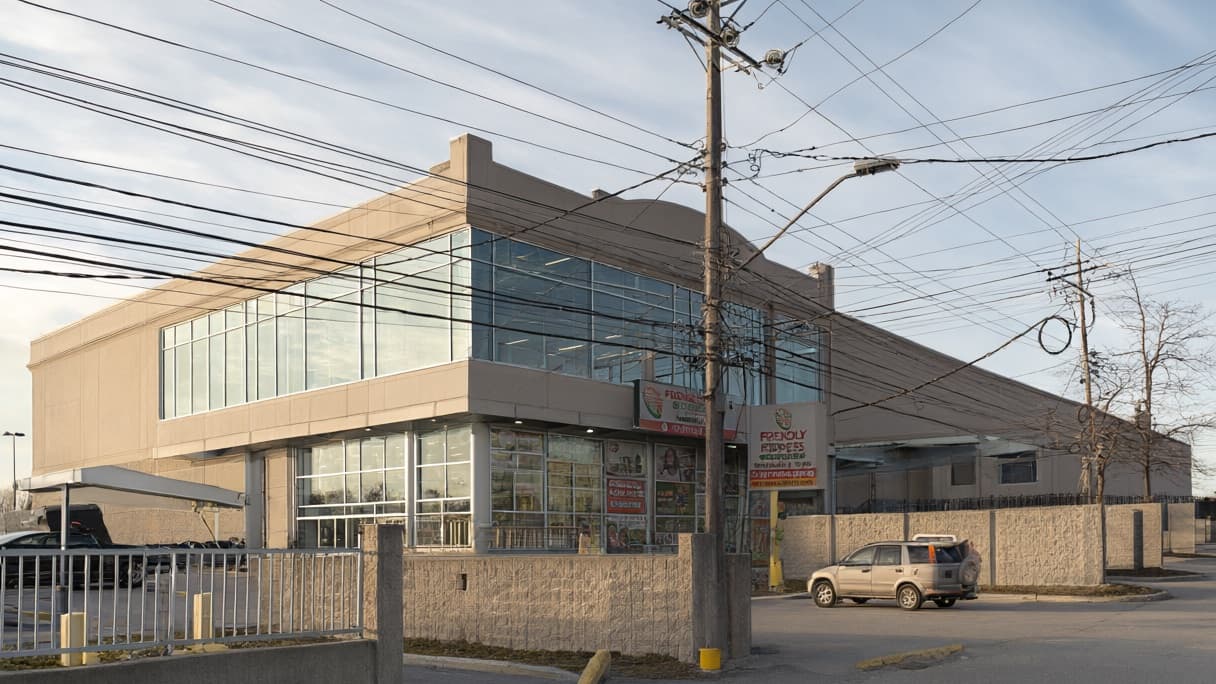
AI-generated image · Bay Street Wire
A 176,000-square-foot multicultural hub in Mississauga promises global variety, but early reports suggest a disconnect between its massive infrastructure and the basic needs of its community.
When a grocery store occupies 176,000 square feet of prime real estate, the physical scale suggests an ambition to be everything to everyone. For the newcomer communities in the Greater Toronto Area, the arrival of Food World Plus at 50 Matheson Blvd. E. in Mississauga was framed as the opening of the region's largest multicultural supermarket. Yet, as first reported by BlogTO, the gap between the store's massive footprint and the actual customer experience has become a point of contention.
For many immigrants and cultural food seekers, a supermarket is more than a convenience; it is a vital link to the flavors and quality of home. However, early feedback indicates that Food World Plus is struggling to meet these fundamental expectations. According to BlogTO, shoppers have taken to social media to describe a stark contrast between the store's size and its execution, citing rotten produce and half-empty shelves. The quality gap is so pronounced that some customers are comparing the new establishment to Highland Farms, the previous occupant of the space that closed in late 2025.
Beyond the perishables, the friction extends to the very mechanisms of commerce. BlogTO reports that shoppers have encountered missing price tags and discrepancies between shelf pricing and the final bill at the till, with some items costing $3 to $4 more at checkout. One customer recounted a specific instance where a bill initially totaled $144 for items that should have cost $45, though the staff eventually corrected the error. These failures in basic operational logistics—compounded by reports of inexperienced staff—suggest that the infrastructure of the building has outpaced the readiness of the organization.
There is also the matter of the store's identity. BlogTO notes that Food World Plus has retained the exact layout of Highland Farms, a decision that may inadvertently fuel comparisons and make the transition more difficult for loyal patrons of the former market.
Despite these failures, some patrons remain optimistic. BlogTO highlights comments from Reddit users who view these issues as typical "opening day problems," suggesting that the store's potential for growth remains intact if it can rectify its pricing errors and train its staff.
Ultimately, the struggle of Food World Plus reveals a precarious truth about the "mega-supermarket" model: scale does not equate to service. For a community that relies on fresh, affordable, and culturally authentic ingredients, a massive building is irrelevant if the produce is rotten and the pricing is opaque. While the owners of Food World Plus were unavailable for comment to BlogTO, the immediate feedback from the community serves as a reminder that cultural needs cannot be satisfied by square footage alone.