
Oil Prices, Rate Hikes, and the Death of the First-Time Buyer's Dream

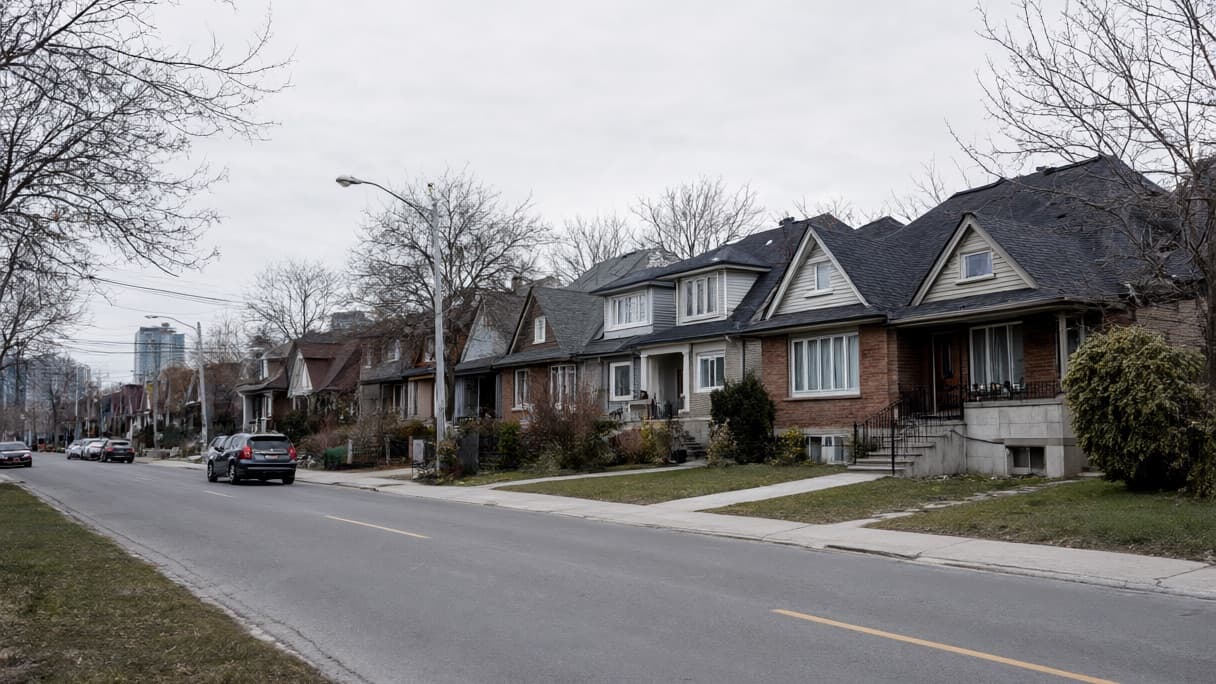
AI-generated image · Bay Street Wire
The Bank of Canada claims its latest rate hike is a hedge against global energy costs, but for Toronto's aspiring homeowners, it is a crushing blow to affordability.
OPINION: The Bank of Canada is framing its latest policy shift as a strategic defense against global volatility. As first reported by CBC Toronto, the central bank raised its key rate on Wednesday from 2.25 per cent to 2.5 per cent—the first increase in more than three years—citing concerns that trade tensions and high global oil prices could bleed into other goods and services, fueling inflation.
But let's be clear: while the bank focuses on the Strait of Hormuz and tariffs, the real-world fallout is landing squarely on the shoulders of people trying to enter the housing market. For the first-time buyer, this isn't a macroeconomic hedge; it's another nail in the coffin.
Real estate broker Andrew Ipekian told CBC Toronto that consumer confidence is currently at an "all-time low," and this rate hike is likely to "crush" it further. We are seeing a psychological snowball effect where prospective buyers, already reeling from economic instability, are now terrified that this single hike is merely the precursor to a series of subsequent increases. When borrowing costs climb, the dream of ownership doesn't just become more expensive—it becomes a risk many can no longer afford to take.
The data from the Toronto Regional Real Estate Board (TRREB) already paints a grim picture of a market losing momentum. In September, home sales across the Greater Toronto Area dropped nine per cent year-over-year to 5,040 units. While the average selling price did dip by roughly $50,000 to $1,006,409, that "discount" is a cruel joke to someone whose monthly mortgage qualification just plummeted because of a central bank decision.
Jason Mercer, the chief information officer at TRREB, noted to CBC Toronto that households were already cautious about employment and long-term financial commitments even before this hike. The confidence required to commit to a multi-decade mortgage has receded.
Even political leadership is recognizing the disconnect. Ontario Premier Doug Ford took to X to call the rate hike a "massive mistake," arguing that higher rates will not lower tariffs or move oil through the Strait of Hormuz, but will instead punish Canadian families and workers for factors entirely beyond their control.
Ipekian suggests that buyers currently have more leverage than they did during the pandemic boom, with conditional offers replacing the frenzy of unconditional bidding wars. But leverage means nothing if you cannot secure the financing to make an offer in the first place. As the Bank of Canada signals that further hikes may be on the horizon, the window for affordability isn't just closing—it's being slammed shut.