
Justice Delayed: The Seven-Year Slog to Hold Ottawa Accountable for Climate Inaction

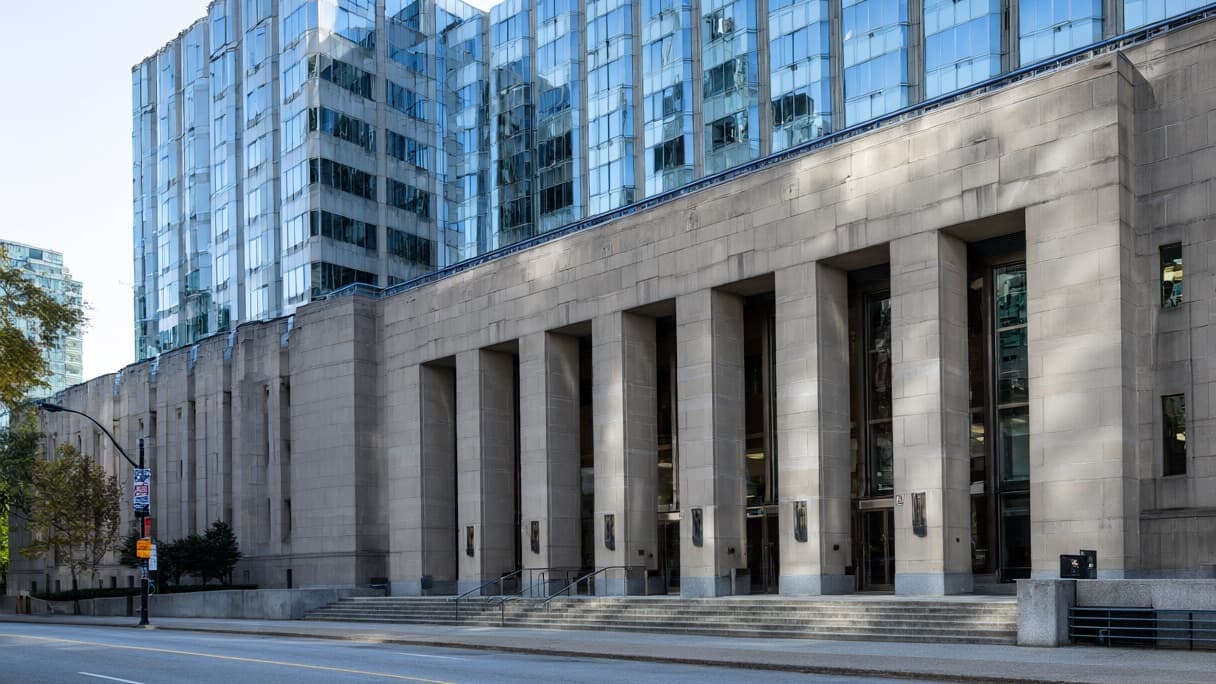
AI-generated image · Bay Street Wire
After nearly a decade of judicial stalling, a landmark trial in Vancouver tests whether the government's systemic negligence is a violation of the Charter.
Opinion: The wheels of justice in Canada do not merely grind slowly; in the case of climate accountability, they have practically stalled. This week in Vancouver, a lawsuit filed by 15 youth applicants finally reaches trial hearings after a seven-year odyssey through the legal system. For those seeking accountability from the federal government, the delay is more than a procedural quirk—it is a failure of the system.
As reported by CBC News, this case was first filed in 2019. Since then, it has followed a circuitous path, including an initial dismissal by the Federal Court before the Federal Court of Appeal eventually ordered a full hearing. While the court focuses on the legal merits, the human cost of this delay is evident in the testimony of the plaintiffs. Sadie Vipond, one of the applicants and a University of British Columbia environmental science student, recalls fleeing the 2013 Calgary floods at age seven. By the time she joined the lawsuit at 13, she had already witnessed a mounting toll of extreme heat, wildfire smoke, and flooding.
This trial is not a debate over climate science. CBC News notes that the government is not disputing the reality of climate science or the harm it causes. Instead, the core of this battle is about legal accountability and systemic negligence. The youth applicants argue that the federal government’s Net-Zero Emissions Accountability Act puts Canada on an emissions trajectory inconsistent with a safe and livable future, thereby violating their Charter rights to life, liberty, and security of the person.
At the heart of the legal mechanism is a question of constitutional duty. According to Catherine Savard, a human rights lawyer and expert for the Sabin Center for Climate Change Law, the court must decide if Section 7 of the Charter imposes a "positive obligation" on the government. Essentially, the court is being asked to determine if the state is constitutionally required to proactively protect its citizens from climate harms through specific laws and actions.
The Sabin Center for Climate Change Law reports that the government is likely to contend that the youth plaintiffs are not being directly harmed by Canadian laws. This framing attempts to shift the focus away from systemic failure and toward individual causality—a common tactic when the state is accused of negligence.
The stakes extend far beyond Vancouver. This is the first time such a lawsuit in Canada will receive a full hearing, potentially setting a precedent that could inspire global litigation. This follows a landmark opinion from the International Court of Justice which found that countries could violate international law by failing to reduce emissions.
The applicants are not asking for a scientific seminar; they are asking for a remedy. They want the court to declare that insufficient climate action is a violation of rights and demand a new climate plan backed by scientific evidence that remains open to judicial review. After seven years of waiting, the question is no longer just about emissions targets, but whether the Canadian government can be held legally responsible for the future it is presiding over.